
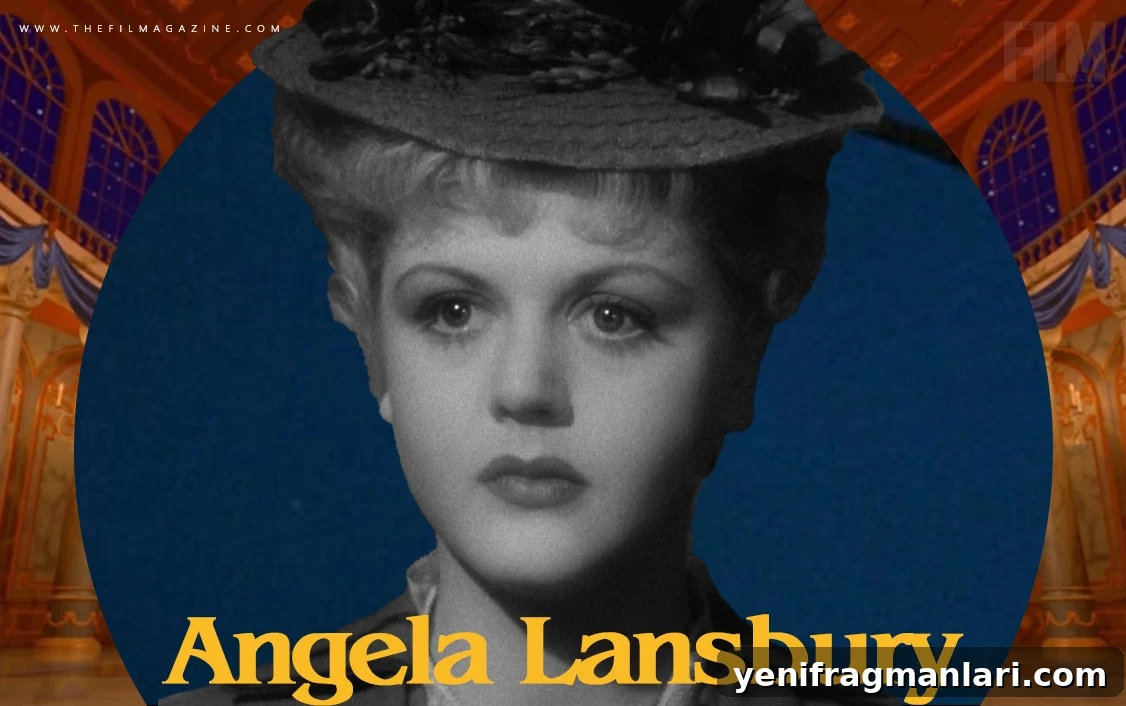
Throughout her life (1925–2022), Angela Lansbury took part in projects that became critically acclaimed and beloved worldwide. She is one of the few performers to leave an indelible mark on film, television and theatre across eight decades. Lansbury amassed nominations across the major awards—Emmy, Grammy, Oscar and Tony—and collected an impressive tally of honours: three Academy Award nominations, five Tony wins, six Golden Globes, eighteen Primetime Emmy nominations and one Grammy nomination. Her extraordinary versatility has frequently been described as the very definition of range.
Born to an Irish-British family, Lansbury grew up surrounded by actors; her mother, Moyna McGill from Belfast, worked regularly in the West End and appeared on screen. Lansbury later said that cinema, television and books became a form of self-education. That passion for performance led her to her first stage appearance in a school production of Maxwell Anderson’s Mary of Scotland and set her on a lifelong path in acting.
Lansbury’s film career began a few years after she completed training at the Feagin School of Drama and Radio. In George Cukor’s 1945 film Gaslight, adapted from Patrick Hamilton’s play, her performance earned her early critical acclaim and a 1945 Academy Award nomination for Best Supporting Actress. Her early roles demonstrated a capacity for both dramatic intensity and comic finesse, establishing the breadth that would define her career.
Audiences remained captivated by Lansbury whether she appeared in leading or supporting roles. From the bold, independent title role she originated on Broadway in the musical Mame (1966) to the sharp-witted sleuth Jessica Fletcher in the long-running television series Murder, She Wrote, Lansbury’s nuanced, committed work consistently drew viewers into her characters’ worlds.
Below are three career-defining performances that illustrate the depth and variety of Angela Lansbury’s work. While they represent only a selection from a vast filmography, these roles highlight her range and the qualities that made her a beloved figure across generations.
1. The Picture of Dorian Gray (1945)
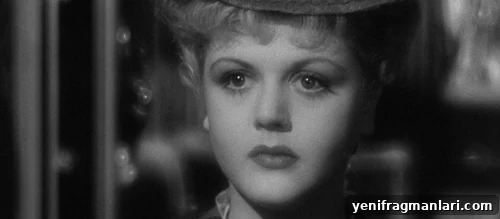
In Albert Lewin’s adaptation of Oscar Wilde’s The Picture of Dorian Gray, Lansbury plays Sibyl Vane, a young tavern singer who briefly becomes engaged to the titular Dorian Gray (Hurd Hatfield). The film’s striking use of black-and-white photography with selective Technicolor for the portrait underscores the novel’s themes of beauty and corruption. Lansbury, only eighteen at the time, delivered a performance of surprising maturity and emotional clarity that earned her the 1945 Golden Globe for Best Supporting Actress and an Academy Award nomination.
Her scenes with Dorian—often quiet and charged with suggestion—reveal an actor already in control of subtle vocal and physical expression. A memorable moment is her understated, poignant vocal performance of “Goodbye Little Yellow Bird,” a sequence that showcases her classical vocal training and lends depth to her fragile, tragic character. That early screen work helped chart the path for a career that would continually evolve.
2. The Reluctant Debutante (1958)
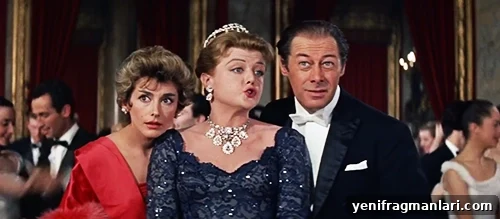
Directed by Vincente Minnelli and adapted from a stage play, The Reluctant Debutante features Lansbury as Mabel Claremont, an outspoken and scheming friend to the Broadbent family. While the film was not an awards standout, it was popular with British audiences and remains a revealing example of Lansbury’s comic gifts. Her timing, playful bravado and ability to dominate comedic scenes mark a clear shift from ingénue parts to more mature, assertive roles.
The film highlights Lansbury’s capacity to shape a role through precise physicality and sharp delivery. Small moments—such as an early encounter with the Broadbents where her eccentric confidence steals the scene—illustrate how she turned even supporting parts into memorable character performances. Roles like this, and later turns in films such as Blue Hawaii (1961), demonstrated her effortless oscillation between comedy and drama, expanding the types of characters she could convincingly inhabit.
3. Beauty and the Beast (1991)
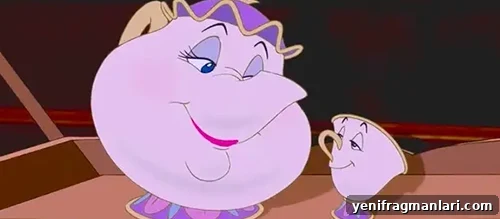
Lansbury’s vocal performance as Mrs Potts in Disney’s animated classic Beauty and the Beast introduced her to a whole new generation of viewers. Directed by Gary Trousdale and Kirk Wise, with music by Howard Ashman and Alan Menken, the film became the first animated feature nominated for the Academy Award for Best Picture. Lansbury imbues Mrs Potts with warmth, wisdom and maternal reassurance, and her rendition of “Tale as Old as Time” is a career highlight.
Remarkably, Lansbury recorded that iconic ballad in a single take. She initially doubted her suitability for the kind of romantic, lyrical delivery the song required, yet her final performance—gentle, unshowy and emotionally resonant—became an enduring part of the film’s legacy. Her ability to lend humanity to an animated object reflects a rare skill: making animated characters feel fully alive through voice alone.
Across her career, Lansbury moved from ingénue roles to maternal figures and, later, to grandmotherly archetypes. These later roles—such as the Dowager Empress Marie Feodorovna in Anastasia (1997) and the nurturing Eglantine Price in Bedknobs and Broomsticks (1971)—helped renew her visibility and connected her to successive generations of audiences. Lansbury herself said that these roles helped revive her after personal loss, underscoring how work and art sustained her life and craft.
Over a 96-year life, Angela Lansbury amassed 122 acting credits. The three performances outlined above offer a concise portrait of a performer who moved seamlessly between stage and screen, drama and comedy, live-action and animation. Her work embodies versatility, discipline and a deep empathy for character. As she observed in her own words, actors are not made—they are born.
Written by Alannah Purslow
You can support Alannah Purslow via social media: @_alannahjade_ (Twitter) and Alannah Purslow (LinkedIn)