
The Present (2021)
Director: Farah Nabulsi
Screenwriters: Farah Nabulsi, Hind Shoufani
Starring: Saleh Bakri, Mariam Kanj, Mariam Basha
Farah Nabulsi’s short drama The Present — a 24-minute film nominated for Live Action Short at the 2021 Oscars — uses a simple, everyday errand to expose the wider realities of life under occupation. The film places a single family’s attempt to buy a new refrigerator at the center of its story and, in doing so, turns a small domestic need into a powerful examination of checkpoints, control, and the routine indignities that shape daily existence in the West Bank.
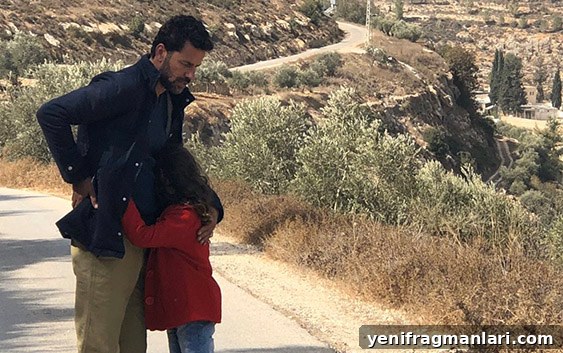
The narrative follows Yusuf (Saleh Bakri), a devoted husband and father who sets out with his young daughter Yasmine (Mariam Kanj) to cross a checkpoint and reach a store across a divided road. With a quiet, human-scale approach, the film reveals Yusuf’s background through short, intimate beats: his sleep and back troubles, his affection for his family, and the practical reason for the trip — their refrigerator is failing. This everyday context gives the story its emotional ballast, so that the tension at the checkpoint lands not as abstract politics but as immediate personal danger.
Much of the film’s dramatic weight centers on the checkpoint itself, where heavily armed guards exercise total control over who passes and who does not. Yusuf’s entanglement at the border — detained for lack of money to ease his passage — exposes the asymmetry of power between the guards and the civilians trying to cross. The portrait Nabulsi paints is specific and textured: the monotony of waiting, the humiliation of detention, and the helplessness of a child forced to sit alone in the desert heat. These details accumulate to create a persistent sense of anxiety that runs through the film.
Structurally, the film alternates between intimate family moments and the stark reality of the crossing. At times the pacing loosens, especially when Yusuf and Yasmine finally arrive at the shop and begin to browse and chat, offering viewers a brief reprieve from the main source of conflict. Those quieter scenes serve to humanize the characters and remind us of the ordinary life they strive to protect, but they can also diffuse the immediacy of the central tension. Still, this choice underscores the film’s moral argument: the ordinary routines of life are constantly vulnerable to intrusion and interference.
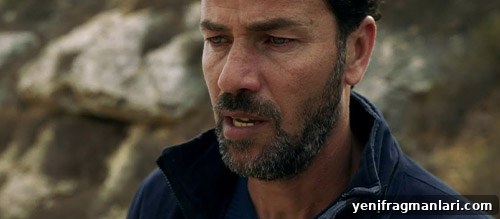
Saleh Bakri delivers the film’s most compelling performance. His portrayal of Yusuf is restrained and deeply felt; his expressions and presence carry the film. Through subtle physicality and nuanced facial work, Bakri conveys fear, exhaustion, tenderness, and determination without overt melodrama. Mariam Kanj as Yasmine provides a believable and touching counterpoint, her youthful vulnerability amplifying the stakes of Yusuf’s attempt to provide for his family.
Cinematographically, the film balances sun-baked exteriors with close, human-scale framing. Moments of desert light highlight the actors’ faces and create a visual contrast between the banal interior of the family home and the harshness of the space around the checkpoint. Costuming and set details — a sagging refrigerator door, a shopping trolley packed with necessities — ground the film in a recognizable domestic reality that makes the political elements feel immediate and personal.
Nabulsi’s screenplay and direction aim to make the ordinary remarkable, showing how a simple act of shopping becomes a test of dignity and endurance. The film’s strength lies in its attention to everyday detail and its focus on character, though some viewers may find the narrative’s detours away from the checkpoint dilute the sense of urgency. Nevertheless, The Present succeeds at translating political reality into a human story that remains with you after the credits.
Overall, the short is not only an example of concise political filmmaking but also a character-driven drama anchored by a memorable lead performance. It offers a potent, accessible window into the lived consequences of checkpoints and occupation, reminding audiences that geopolitical conflict often plays out in the smallest, most personal moments of life.
12/24
This film is available to watch on Netflix.