
Starsky & Hutch (2004)
Director: Todd Phillips
Screenwriters: John O’Brien, Stevie Long, Todd Phillips, Scot Armstrong
Starring: Ben Stiller, Owen Wilson, Snoop Dogg, Vince Vaughn, Jason Bateman, Fred Williamson, Juliette Lewis
Twenty-first century American cinema often leans on nostalgia, mining familiar properties for safe box-office returns. Reboots and revivals of past hits—whether controversial or beloved—have become a dominant pattern. Todd Phillips’ Starsky & Hutch (2004) stands apart from many reboots not because it angers fans with excessive reverence or cynical exploitation, but because it chooses an odd balance of affectionate parody and earnest tribute that produces puzzlement as often as amusement.
The original Starsky and Hutch TV series, which ran from 1975 to 1979, was a cultural touchstone for its time. It helped define the buddy-cop dynamic on television and left a lingering visual and tonal legacy in later shows and films. By 2004 the series had shifted from immediate pop-cultural phenomenon to a nostalgic influence, familiar to older viewers and largely unknown to younger audiences. That gap raises a central question: why adapt a show whose peak resonance belonged to a prior generation? The film answers by leaning into comedy and homage rather than straight revival.
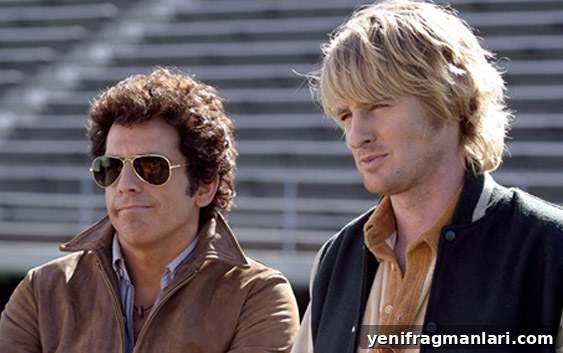
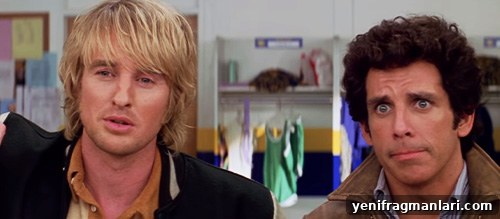
The movie follows two mismatched Bay City detectives. Dave Starsky (Ben Stiller) is enthusiastic, earnest, and a little clumsy—someone who obeys the law in principle but is haunted by the shadow of his legendary mother. Ken “Hutch” Hutchinson (Owen Wilson) is laid-back, almost detached, comfortable skirting rules for extra cash. Forced together by their superior, Captain Dobey (Fred Williamson), the two are punished into partnership, only to bond over a high-stakes murder case that leads to a major drug bust. Once they find chemistry, they become an improbable but entertaining crime-fighting duo, diving headfirst into over-the-top chases and shootouts with gleeful abandon.
The film’s main challenge is twofold: satisfy fans of the original series while engaging viewers with no prior attachment. Early scenes reveal the production’s uncertainty about tone—should it be an affectionate revival, a loving homage, or a broad parody? The first twenty minutes are uneven, weighed down by exposition and the film’s attempt to establish these characters’ mythic status for newcomers. But once Starsky and Hutch begin to work together and the film embraces spoof, the energy picks up. A brief, playful cameo helps push the film toward its chosen register, and the slapstick and situational comedy begin to land consistently.
Crucially, the movie treats its 1970s source material with fondness. Rather than scorn, the film offers a celebration of the era: hair, fashion, soundtrack cues, and the sexual politics of the decade are all played for comedic effect, often through affectionate exaggeration. Many sequences parody the genre’s clichés—botched interrogations, melodramatic confrontations, and extravagant car chases—while preserving the heart of the original characters. The result is a comedy that lampoons its inspiration while clearly admiring it.
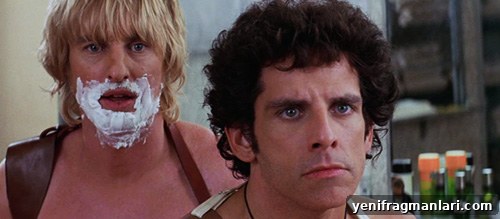
The film is full of fan service that will delight original viewers without overwhelming newcomers. Beyond the obvious visual callbacks—like the Ford Gran Torino and musical nods—there are subtler references to episodes and promotional moments from the series, including playful winks at the show’s famously homoerotic undertones. These moments are woven into the film in ways that reward attentive fans but do not alienate those who miss the specifics.
Casting choices reflect the movie’s affectionate stance. Ben Stiller clearly relishes channeling Paul Michael Glaser’s Starsky, adopting mannerisms and speech patterns in a performance that reads like both imitation and admiration. Snoop Dogg as Huggy Bear is a particularly inspired update: he preserves the character’s cool charisma and serves as the film’s most effortless source of charm. His presence modernizes the informant role while honoring the original’s swagger.
Owen Wilson’s turn as Hutch is less successful. His laid-back persona often feels like Wilson simply inhabiting his familiar screen manner, rather than echoing David Soul’s quieter, more brooding original. That mismatch highlights the film’s broader paradox: it needed recognizable contemporary comic personalities to secure financing and audience interest, yet those same personalities sometimes distance the adaptation from the texture of the series it references.
For viewers who loved the TV show, the original chemistry between Glaser and Soul was a lightning-in-a-bottle phenomenon that a straightforward reboot could not replicate easily. Phillips’ film recognizes this and opts for a comedic reinterpretation that both honors and playfully skewers the source. A grittier, R-rated approach might have aligned more closely with some of the original series’ adult themes, but that choice would likely have pushed the movie into cruder parody territory and changed its audience entirely.
Ultimately, Starsky & Hutch (2004) is an entertaining, if uneven, nostalgic comedy. It serves as a lively tribute to 1970s TV tropes and to the original characters, and it offers enough humor and heartfelt moments to please many viewers. While it may not replace the original series for longtime fans, it provides a warm, comedic reimagining that captures the era’s aesthetics and the spirit of a beloved buddy-cop pairing. For those seeking a light, affectionate retro spoof, the film is an agreeable way to revisit—or discover—the world of Starsky and Hutch.
14/24