
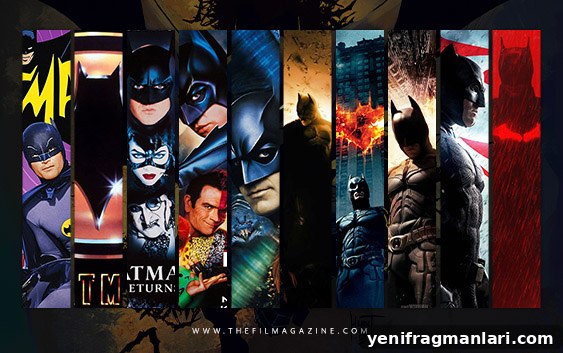
The Batman has been a defining figure in Western popular culture for nearly a century. The Caped Crusader’s stories across comics, television (both live-action and animated), video games, and films have resonated with audiences of all ages. Whether campy or brooding, Batman’s many incarnations have embedded Bruce Wayne into the cultural zeitgeist.
Since his creation in 1929, the Batman franchise has become a global powerhouse. Its widespread appeal is reflected in the billions it has generated worldwide, and on the big screen Batman films have earned billions collectively, placing the character among the most successful movie franchises in history. Across the decades—from the 1960s through the 2020s—Batman has remained culturally relevant, serving as a vessel for exploring social anxieties and storytelling innovation. In many ways, the character is timeless and iconic, occupying a role in modern myth similar to other enduring literary figures.
Live-action Batman films have ranged from lighthearted, child-friendly fare to dark, adult-oriented allegories. Ten such theatrical features have been released to date, and each has left a distinct mark on cinema. This ranking evaluates those films based on artistic merit, cultural impact, critical reception, audience response, and overall entertainment value to determine the best—and the worst—live-action Batman movie.
10. Batman & Robin (1997)
Batman & Robin was widely criticized on release and remains the most derided of the live-action Batman films. The film’s tone is inconsistent and leans heavily into bright, commercial spectacle. Produced in an era when studios pushed franchise merchandising aggressively, it often feels more like a marketing exercise than a thoughtful adaptation of the character. The result is a lightweight, jokey movie that undercuts Batman’s potential as a complex, brooding hero. Its excesses and creative missteps contributed to the franchise’s extended pause before a darker reboot arrived in the following decade.
9. Batman the Movie (1966)
Batman the Movie from 1966 is deliberately silly and campy, reflecting the television show’s playful tone. It’s intentionally over-the-top, full of gimmicks and broad humor, and its charm lies in nostalgia and earnest performances—especially Adam West’s straightforward, wholesome Batman. While it established some enduring pop culture moments and helped popularize superhero tropes, it offers little in the way of modern dramatic depth. Best enjoyed as retro, turn-your-brain-off entertainment, it’s a product of its time rather than a serious reinterpretation of the Dark Knight.
8. Batman Forever (1995)
Batman Forever marks a tonal shift toward brighter, more family-friendly spectacle. The film trades darker themes for vivid production design and big personalities, and its performances often verge on the theatrical. While Val Kilmer’s Batman is comparatively restrained, the film’s antagonists chew scenery and dominate many scenes, contributing to a frenetic, merchandise-oriented aesthetic. Batman Forever reflects a moment when studio ambitions for broad commercial appeal reshaped the franchise’s cinematic identity—sometimes at the expense of narrative coherence and emotional depth.
7. Batman v Superman: Dawn of Justice (2016)
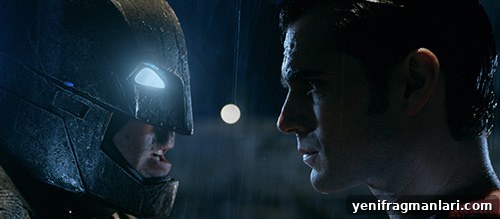
Batman v Superman introduced a darker, battle-weary Bruce Wayne portrayed by Ben Affleck. It emphasized the detective side of Batman more than many previous adaptations, presenting a veteran hero grappling with moral complexity and the consequences of unchecked power. However, because the film shares its title with Superman, its narrative divides attention between multiple major characters, diluting its focus as a Batman-centric story. The movie contains striking visual sequences and memorable confrontations, but uneven plotting and tonal inconsistencies prevent it from reaching its full potential.
6. Batman Returns (1992)
Tim Burton’s Batman Returns is a darker, more stylized sequel that leans into gothic visuals and eccentric, larger-than-life villains. With standout performances from Michelle Pfeiffer as Catwoman and Danny DeVito as the Penguin, the film is full of memorable moments and striking design. While studio pressures influenced certain creative choices, the movie still showcases Burton’s distinctive vision and maintains a blend of spectacle and character work that makes it rewarding on repeat viewings. It’s a bold, idiosyncratic chapter in Batman cinema.
5. Batman (1989)
Tim Burton’s Batman (1989) helped redefine the superhero film by delivering a darker, more cinematic take than earlier adaptations. Burton’s gothic sensibility paired with Michael Keaton’s enigmatic Bruce Wayne and Jack Nicholson’s unforgettable Joker produced an instantly iconic film. While some elements now feel dated compared with contemporary blockbusters, Batman (1989) remains a landmark entry that demonstrated how a comic-book character could anchor serious, atmospheric cinema and influence the genre for decades.
4. The Dark Knight Rises (2012)
The Dark Knight Rises concludes Christopher Nolan’s acclaimed trilogy, tying together themes and character arcs launched in the first two films. It aims for an epic-scale resolution that balances personal stakes and a broader civic narrative about Gotham. While the finale leans on some convenient plot devices and stretches plausibility at points, the film still delivers emotional closure, strong set pieces, and Nolan’s signature thematic concerns—especially around sacrifice, resilience, and the nature of heroism. As a trilogy capstone, it offers a satisfying and resonant conclusion.
3. The Batman (2022)
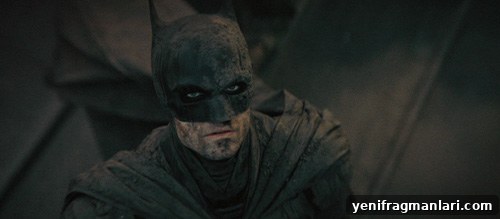
Matt Reeves’s The Batman reframes the character as the World’s Greatest Detective, making crime-solving and noir atmosphere central to the story. Shot in a dense, rain-soaked Gotham, the film leans into mood, slow-burn tension, and immersive visual storytelling. Robert Pattinson’s brooding take emphasizes a Bruce Wayne wrestling with grief and obligation while choosing to act out of conviction rather than reaction. Though the film runs long and occasionally slows in its middle act, its cinematic look and commitment to character-driven mystery offer one of the freshest live-action interpretations of the Dark Knight.
2. Batman Begins (2005)
Christopher Nolan’s Batman Begins relaunched the franchise with a grounded, character-focused origin story. It recaptured Batman’s darkness and moral complexity while introducing Nolan’s penchant for practical effects, disciplined pacing, and philosophical undercurrents. Strong performances from Christian Bale, Michael Caine, Liam Neeson, Cillian Murphy, and Morgan Freeman helped anchor a film that treated superhero material with weight and maturity. Batman Begins set the stage for a trilogy that would raise expectations for blockbuster storytelling.
1. The Dark Knight (2008)
The Dark Knight stands as the definitive live-action Batman film for many viewers. Christopher Nolan’s 2008 masterpiece pairs gripping action and moral complexity with a study of chaos versus order, embodied by Batman and the Joker. Heath Ledger’s performance as the Joker became instantly iconic, earning widespread critical acclaim and a posthumous Academy Award. The film’s technical achievements—ambitious IMAX photography, a haunting score, and meticulous production design—combined with its thematic depth to influence superhero cinema and mainstream blockbuster filmmaking profoundly. The Dark Knight is often credited with elevating the genre to new artistic heights.
Which Batman movie do you prefer? Do you agree with this order, especially where Nolan’s trilogy ranks? Share your thoughts and favorite moments from the films you love most.