
Ali & Ava (2021)
Director: Clio Barnard
Screenwriter: Clio Barnard
Starring: Adeel Akhtar, Claire Rushbrook, Ellora Torchia, Shaun Thomas, Natalie Gavin
Clio Barnard, the single creative force behind films such as The Arbor, The Selfish Giant and Dark River, returns with Ali & Ava, a tender, location-rooted love story set in Bradford, West Yorkshire. As with her previous work, Barnard draws on real lives and local experiences to create a portrait that feels lived-in and authentic: a film that reads like a love letter to connection, to place and to community.
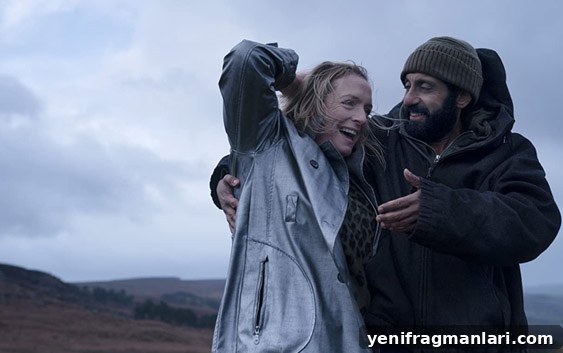
Inspired by the lives of two real people and informed by many others, the film follows Ali, a landlord and part-time DJ played by Adeel Akhtar. Ali is navigating a difficult separation and trying to keep the collapse of his marriage hidden from his family while holding down several jobs. In a chance encounter during a torrential downpour—an incident that feels true to northern English weather—he meets Ava, a widowed classroom support assistant played by Claire Rushbrook. A tentative friendship grows between them and soon becomes something more, a relationship that challenges both of their communities.
What stands out in Barnard’s depiction of Bradford is how she resists easy dramatic conventions. Rather than defaulting to violent conflict or sensationalism, she portrays tension with nuance. The film acknowledges past and present racial tensions in the city, including references to extremist activity and the 2001 disturbances, but it never becomes a bleak social exposé. Instead, Barnard opts for a story about fragile hope: people looking for human connection amid difficult circumstances.
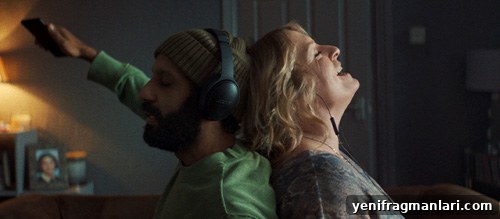
The main source of strain on the relationship comes from Ava’s teenage son, Callum, portrayed by Shaun Thomas. Callum, newly a young father himself, misses having a father figure and lacks a full understanding of his own parent’s flaws. When Ali enters their lives, Callum’s protective instincts flare. One memorable scene blends humour and unease: Ali and Ava bond over music, sharing an intimate, blissful moment on the sofa when Callum suddenly returns home, brandishing a toy sword and instantly putting Ali on the defensive.
Barnard’s casting is a consistent strength throughout the film. Her practice of finding local performers and spending time in the neighborhoods she depicts results in performances that feel natural and unforced. Akhtar and Rushbrook create a warm, believable centre to the film, while supporting performances—most notably Ellora Torchia as Ava’s perceptive daughter Runa—leave a lasting impression. The supporting cast, largely drawn from Bradford, lends authenticity and texture to the story.
Although its subject matter can be emotional and occasionally wrenching, Ali & Ava is Barnard’s most uplifting film to date. It contains a steady undercurrent of gentle humour—local in-jokes, affectionate teasing of neighborhood reputations and self-deprecating observations—that lightens heavier moments without undercutting their emotional weight. Barnard’s filmmaking remains grounded in place: just as she used Buttershaw in The Arbor, Odsal and Wibsey in The Selfish Giant, and Holme Wood here, she builds stories that are inseparable from the communities they depict.
Music functions as a central connective tissue in the film. Ali’s identity as a DJ is portrayed through small, evocative moments—him dancing alone on a misty rooftop, preparing mixes that seem to steady him—while Ava’s relationship to music reveals quieter, joyful sides of her personality, such as when she sings with her family at a local club. The cultural divide between Ali and Ava—he is British-Pakistani, she is Irish-Catholic—matters in the film, but Barnard emphasizes shared social realities and emotional needs over cultural difference. There is also a modest age gap between the leads, which the film treats honestly rather than sensationally.
Bradford itself emerges as an important presence: a city with artistic energy and significant diversity but also real social challenges. The film does not dwell on statistics or punditry; instead it lets the city’s textures—its clubs, homes and neighborhoods—suffuse the story, giving it credibility and depth. These background realities add weight without turning the film into a documentary about deprivation.
By the end, Ali & Ava does not resolve every thread neatly, and it shouldn’t. The film is a snapshot of two people meeting during transformative moments in their lives, and that openness is part of its honesty. It may not be as mythic as The Selfish Giant or as devastating as Dark River, but it is a beautifully observed, compassionate love story and an affectionate ode to a city and its people. Barnard’s gift is in balancing tenderness with realism, producing a film that lingers after the credits roll.
22/24