
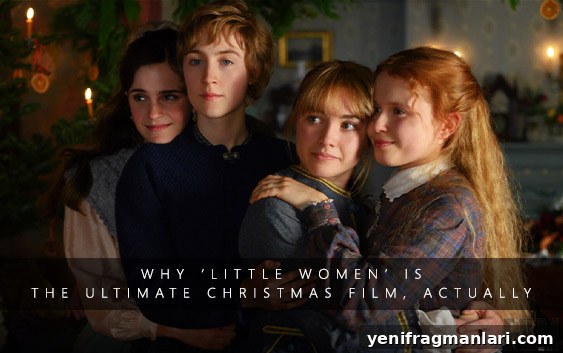
As the days grow shorter and Christmas approaches, there’s no better time to settle in for some familiar seasonal film-watching. From The Holiday to Home Alone, December brings out movies we tend to revisit only at this time of year. Between those classics, a number of films spark debate about whether they really qualify as Christmas movies. One of those debated titles, however, may just be the ultimate holiday film. And no — it’s not Die Hard.
The film I’m talking about is Greta Gerwig’s 2019 adaptation of Little Women.
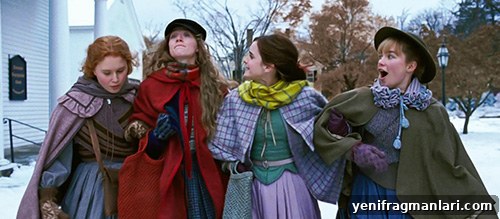
Louisa May Alcott’s classic coming-of-age novel has been adapted for the screen many times, and while Christmas features in all versions, Greta Gerwig’s film feels particularly well-suited to winter viewing. It carries the warmth and intimacy that make it an especially comforting choice for the holidays.
Part of that Christmas association comes from timing: the film opened on Christmas Day in the United States and rolled out internationally in the days that followed. Many viewers first encountered it during the quiet, reflective week between Christmas and New Year’s, which reinforces its place in seasonal viewing habits. But beyond release date, the movie repeatedly frames key moments around the holiday. Each Christmas scene in the film carries weight for the March family: lessons about generosity, the beginnings of the Marches’ friendship with Mr Laurence (Chris Cooper), and the heartfelt homecoming of the girls’ father from war. For this family, Christmas marks pivotal moments in their year.
Above all, what makes Gerwig’s Little Women an ideal Christmas watch is its inherent coziness. The harshness of winter is continually contrasted with the softness of domestic life: quiet interiors, simple rituals, and close family bonds. The stakes are modest and human—everyday ups and downs rather than grand spectacle—and that domestic focus is exactly what creates the film’s warmth. Whether the sisters are piling on the floor together, teasing each other, or playing dress-up in the attic, Gerwig invites the audience into an intimate, familiar world. The camera often guides us with a gentle, maternal eye, and Marmee’s (Laura Dern) reassuring smile draws us into the family circle. The inclusion of Laurie (Timothée Chalamet) into their home further extends that sense of belonging, reminding us that family can be chosen as well as given—an idea that resonates strongly at Christmastime.

Cozy familiarity also comes from how recognizably human the characters are. Viewers identify with small, everyday desires: the temptation to splurge on a dress when funds are tight (Meg, played by Emma Watson), the yearning to be “great or nothing” (Amy, played by Florence Pugh), and the daily struggle to be patient and kind (Jo and Marmee). Jo’s poignant monologue about the many roles women inhabit—beyond romantic relationships—expresses a loneliness that feels both personal and universal. These moments of melancholy are balanced by the comfort of being understood and known, which contributes to the film’s emotional warmth.
Gerwig pays close attention to the small comic and tender beats that make family life believable: Jo laughing when Amy gets her foot stuck in a cast, Laurie hiding a laugh when Jo cuts her hair, Beth confessing that she’s frightened of boys. The film treats these details as important because they matter to the characters, and that respect for the mundane grounds the story in authenticity.
Christmas is naturally a time for reflection, and Gerwig’s dual narrative structure—shifting between past and present timelines—encourages that spirit. The film draws parallels between different phases of Jo’s life, reminding us how the past shapes present choices. As the year ends, those structural echoes invite viewers to consider how they have changed over the previous months. Gerwig differentiates the timelines visually: warmer, autumnal tones for flashbacks and cooler, blue-tinged palettes for the present. That contrast mirrors the seasonal experience of winter’s cold outside and the golden glow of warmth inside—symbolic of nostalgia serving as a refuge from the cold.
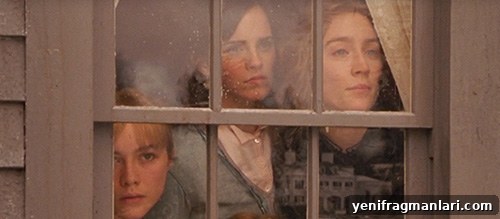
There are also more explicit reasons to consider Little Women a Christmas movie. It contains many elements common to classic holiday films: romantic gestures, sincere forgiveness, and abundant heart. It celebrates togetherness while allowing space for sadness, and it pays attention to moments that are easy to overlook in daily life. These are the same qualities that define enduring holiday cinema—think of films that emphasize community, moral lessons, and emotional reconnection. Gerwig’s adaptation shares that sensibility, blending joy and melancholy in a way that feels true to the season.
After a year when many households experienced a quieter, unusual Christmas, the return to larger family gatherings carries extra significance. The scene in which Father (Bob Odenkirk) returns home after years away captures that particular emotion: a mix of anticipation, relief, awkwardness, and delight. Gerwig’s Little Women evokes similar memories of holiday moments—the squabbles over board games, the subtle jockeying for the best gift from grandparents, the warm hug when you finally get home. It’s not the most conventional Christmas film by checklist standards, and debate will persist about what qualifies as a holiday movie. But in its ability to evoke warmth, connection, reflection, and the simple wonder of being alive, Little Women offers a quietly festive experience that fits perfectly into the season’s cinematic tradition.
Written by Rehana Nurmahi
You can support the author of this article, Rehana Nurmahi, via the following accounts: