
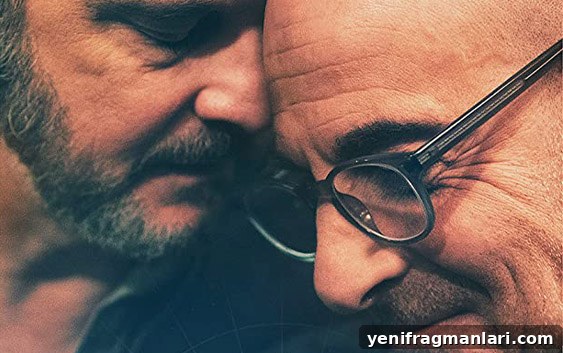
Supernova (2020)
Director: Harry MacQueen
Screenwriter: Harry MacQueen
Starring: Colin Firth, Stanley Tucci
“Being sad something is gone just means it was great whilst it was there.”
Supernova follows a middle-aged couple who undertake a gentle but emotionally charged road trip across the United Kingdom as one partner’s early-onset dementia begins to reshape their lives. The film is an intimate, tender portrait of long-term love confronting a relentless illness, and it uses its quiet moments to explore the practical and emotional consequences of memory loss with sensitivity and realism.
Two years after Tusker receives a diagnosis of early-onset dementia, he and his husband Sam travel in an old camper van with their dog, revisiting the landscapes and landmarks that have defined their relationship. Along the way they piece together memories, celebrate small joys, and gradually face the painful truth that the future they once planned is changing beyond their control. The film allows those shifts to emerge slowly, using small, unforced details—lost words, hesitations, confusion—to signal how the condition advances and how both men respond.
One of the film’s most powerful sequences takes place at Sam’s sister’s house, where a birthday surprise intended to be a tender declaration becomes a stark demonstration of how dementia can erode confidence and communication. Tusker’s attempt to read a prepared speech falters; Sam steps in and reads the words on his behalf. That scene crystallizes the emotional core of the film—love that is tested not by dramatic gestures but by the quiet endurance of caregiving, grief, and devotion. Colin Firth delivers a restrained, heartbreaking performance as Sam, conveying steadiness and vulnerability in equal measure. His reading of the speech is a standout moment: subdued, precise, and deeply affecting.
Stanley Tucci gives one of his finest screen performances as Tusker. He embodies both wit and growing fragility, capturing the painful awareness of someone who recognizes their own decline. Tucci balances charm and sorrow, allowing the character’s humor to coexist with moments of confusion and fear. The result is a portrayal that respects the dignity of a person living with dementia while refusing to sentimentalize the experience.
Harry MacQueen’s screenplay and direction shape the film into three distinct acts that mirror the couple’s emotional journey. The opening act introduces an ambiguous present—there is warmth, routine, and uncertainty about what lies ahead. The second act, anchored by the visit to Sam’s family, forces the couple to confront their situation in a communal setting, revealing tensions and the practical realities of care. The final act moves toward decisions that are inevitable, intimate, and shared; it asks what it means to love someone when the person you once knew changes.
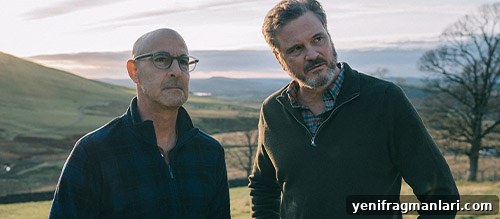
Visually, Supernova benefits from its setting: the Lake District’s rolling hills and muted autumn palette provide a contemplative backdrop that complements the film’s reflective tone. Long takes and carefully observed compositions allow actors to inhabit scenes fully, and the cinematography favors natural light and unobtrusive framing, inviting viewers to linger with the characters rather than be directed to a single emotional beat.
The film is also peppered with gentle humor and warm domestic moments that keep the story human and relatable. Dialogue is often economical yet revealing, and the chemistry between Firth and Tucci makes the relationship feel lived-in—years of shared history are evident in small gestures, inside jokes, and the comfortable silences between them. These elements prevent the film from becoming solely a study in decline; instead, it remains a celebration of companionship and the resilience required to care for someone you love.
Ultimately, Supernova is a quiet, carefully observed film about love, loss, and moral obligation. It does not solve the dilemmas it presents, nor does it offer easy consolations. Instead, it invites empathy and reflection, asking the audience to sit with the complexity of loving someone as they change. With thoughtful writing, sensitive direction, and two deeply committed lead performances, the film succeeds as a moving meditation on what it means to remain present for the person you love when memory begins to fail.
22/24