
“We take the subject of representation very seriously,” declares the director of the latest blockbuster, promising gestures toward LGBTQ+ inclusion — an “exclusively gay moment” here, a “tip of the hat” there. All too often these promises amount to little more than a same‑sex handhold in a crowd scene, or a secondary character making an offhand reference to liking “other things.” Filmmakers pat themselves on the back for appearing inclusive while avoiding meaningful depiction that might challenge lucrative international markets.
When those films are original projects or sequels to long‑cherished franchises, audiences may be more forgiving. But in the era of superhero dominance at the multiplex — where Marvel and DC productions fill cinemas year‑round — representation deserves closer scrutiny. Both companies have made strides with colour‑blind casting that diversifies the faces on screen. Yet when it comes to sexuality, especially bisexuality, the big comic‑book cinematic universes often fall short.
Adaptations routinely change costumes, tweak origins, or alter powers, but a character’s sexuality is often central to their identity and should not be sidelined. Comic pages are filled with gay, lesbian, bisexual and transgender characters, and erasing or straight‑washing those identities undermines their representation. From the early modern era of comic movies, many canonically bisexual characters have been flattened into heterosexual roles.
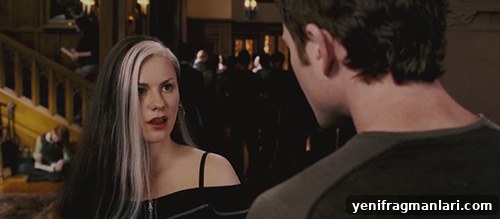
The X‑Men franchise is a prime example. The comics have always carried political allegory — Professor Xavier and Magneto echo Martin Luther King Jr. and Malcolm X — and under Chris Claremont, the books explicitly engaged with oppression faced by the LGBTQ+ community. Yet screen adaptations have frequently ignored characters’ sexual identities. Rogue is treated as straight in the original X‑Men films despite the comic context and despite actor Anna Paquin and director Bryan Singer being openly bisexual. The third film even forces a needless heterosexual love triangle that erases more complex possibilities for Rogue’s character.
The prequel series that centers on Mystique only deepens the frustration. The young Mystique, portrayed by Jennifer Lawrence, is positioned at the heart of the story and the films explicitly reference mutant pride and persecution. Still, her cinematic arc is framed through heterosexual relationships, ignoring her bisexuality from the comics. Mystique’s shapeshifting power offered a compelling visual metaphor for the experience of “passing” and for fluid sexual expression — a missed opportunity to explore identity with nuance.
Bryan Singer’s involvement across several X‑Men films did not translate into fuller sexuality representation for many characters. Others, like Psylocke in X‑Men: Apocalypse, are reduced to near‑mute henchmen with little agency, their identities and complexities sidelined or forgotten.
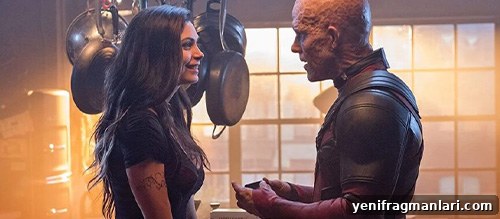
Some will argue early 2000s mainstream audiences made visible bisexual representation risky. Yet the world and its audiences have changed, and continuing to borrow LGBTQ+ themes without truly depicting queer lives rings hollow. Even R‑rated entries like Deadpool and Deadpool 2 — films that push boundaries in violence and language — largely ignore or suppress bisexuality. In the comics, Deadpool is a proud, vocal pansexual; on screen he is confined to a heteronormative romantic plot that sidelines his comic‑book sexuality.
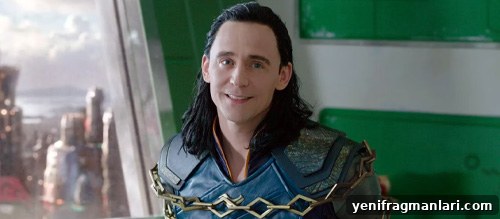
Marvel Studios under Kevin Feige has taken steps forward: more diverse casting and, after corporate shifts, the inclusion of openly queer characters in recent projects. Yet change has been slow. Loki’s Disney+ series acknowledges the character’s fluidity with a single conversation where Loki identifies as “both,” but the opportunity to showcase a richer, more sexualized and multifaceted queer interior was largely missed. Variant Lokis appeared — including playful and imaginative versions — yet few were used to deepen understanding of Loki’s sexuality. Instead, the show often retreated to safer narrative choices, such as introducing a child variant, which avoids representing adult sexual identities.
Similarly, WandaVision presents Billy and Tommy as children — characters whose comic counterparts grow into LGBTQ+ identities — which postpones and dilutes immediate representation. Taika Waititi’s Thor: Love and Thunder hints at progress when Valkyrie is shown seeking a queen, but a cut scene depicting her leaving a room with a woman was removed for “pacing.” Introducing Valkyrie as the MCU’s most prominent bisexual figure so late in the franchise’s run feels overdue and underdeveloped.
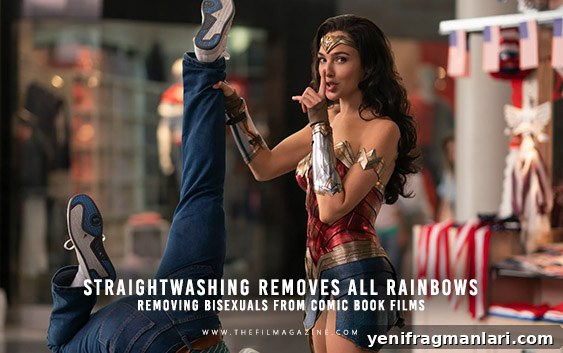
The DC Extended Universe often repeats similar mistakes despite its wealth of bisexual source material. Wonder Woman, born from an island of Amazons and inspired by complex real‑life women, has deep comic roots that include same‑sex relationships and bisexuality as intrinsic elements of her identity. Patty Jenkins’ films hint at chemistry between Diana and Barbara Minerva but stop short of exploring it, undercutting a significant aspect of both characters.
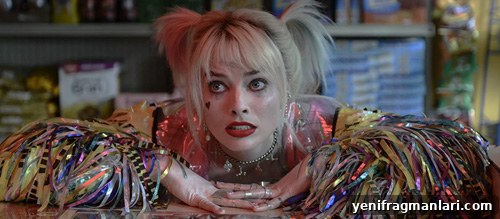
Harley Quinn also suffers erasure. Introduced in the DCEU as the Joker’s abused sidekick, Harley’s comic history includes bisexual relationships, notably with Poison Ivy. Film treatments have oscillated between brief animated teases or implied moments and reverting to heterosexual subplots, such as a romantic arc with a male character in The Suicide Squad. These choices narrow Harley’s onscreen sexuality and leave queer fans wanting authentic representation rather than fleeting nods.
Standalone adaptations have not fared much better. Constantine (2005), an adult‑aimed action‑horror, excised the protagonist’s bisexuality from screen despite the comics’ clear depiction of it. When a character’s sexuality was originally central to who they are — often created during eras of cultural upheaval and political struggle — erasing that element reduces narrative depth and historical resonance.
The pattern is clear: across major comic adaptations filmmakers selectively borrow queer themes and iconography, yet too often they shrink or erase the bisexual identities of their characters. With franchise filmmaking now embracing long‑form storytelling and character arcs over multiple films and series, there is an opportunity — and a responsibility — to represent sexuality authentically, not as an afterthought.
Superhero cinema has a long history of depicting battles against demons, aliens and gods. It should soon be ready to take an equally bold stand against sexual‑identity erasure and inequality, portraying bisexual, pansexual and other queer identities with the same courage and clarity it offers other forms of heroism.
Written by Paul Klein
You can support Paul Klein in the following places:
Twitter – @paulkleinyoo
Letterboxd – @paulkleinyo