
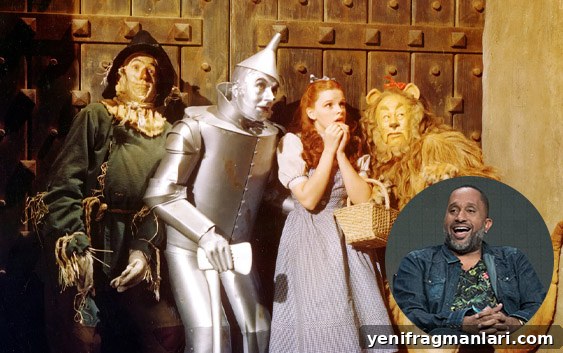
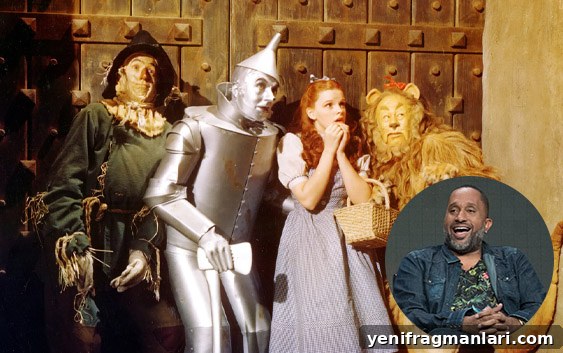
Warner Bros. is developing a modern reimagining of the 1939 classic The Wizard of Oz, with Kenya Barris attached to write, direct and produce.
Warner Bros. has confirmed plans to remake the Golden Age classic The Wizard of Oz (1939), the beloved technicolor musical that originally starred Judy Garland as Dorothy, a young girl swept away to a fantastical land of witches, wizards, and unforgettable characters. The new project is described as a contemporary reimagining of that timeless story, and award-winning writer-producer Kenya Barris will lead the project through his production company, Khalabo Ink Society.
At this early stage, few specifics about the story or casting have been released. What is clear is that Barris will serve as the film’s principal creative force—credited as writer, director and producer—while Sheila Walcott will act as executive producer on behalf of Warner Bros. The creative direction promises to update the source material for modern audiences while retaining the core emotional and thematic elements that made the original so enduring.
Kenya Barris is best known as the creator of the hit television series Black-ish, which earned widespread attention and several award nominations for its sharp, comedic exploration of family, identity, and culture. Over the past several years Barris has expanded his credits across feature films, contributing to titles such as Girls Trip, Shaft, The Witches, Coming 2 America and Cheaper by the Dozen. These projects have showcased his range as a writer and producer across comedy and genre remakes, and they inform expectations for his take on The Wizard of Oz.
Though some of Barris’s recent projects have generated mixed reactions from fans and critics—particularly when reworking well-known franchises—his involvement signals Warner Bros.’ intent to present a fresh, culturally relevant perspective on the original material. Fans of the 1939 film will inevitably compare any new version to the classic, so Barris and the studio face the challenge of honoring the legacy while offering new insights and storytelling choices that resonate with contemporary audiences.
As a director, Kenya Barris will make his major feature film debut with his original comedy You People, co-written with Jonah Hill. That film explores a modern couple navigating cultural differences, generational expectations and the complexities of blended families, and features a cast that includes Eddie Murphy, David Duchovny and Julia Louis-Dreyfuss. Barris’s expansion into directing feature films positions him to bring a distinct voice to the reimagined Wizard of Oz project.
In addition to the Oz reimagining and You People, Barris is involved in other studio projects, including a writing credit on the remake of White Men Can’t Jump. His growing slate of film work indicates a clear move toward shaping large-scale studio features while maintaining the comedic and socially conscious sensibilities that characterized his television work.
Warner Bros.’ decision to revisit The Wizard of Oz underscores an ongoing industry trend: studios seeking to reimagine classic properties for new generations. When handled thoughtfully, such remakes can illuminate themes within the original story that remain relevant today—identity, belonging, courage and the search for home—while updating tone, representation and narrative perspective to reflect contemporary cultural conversations.
At this point, audiences and industry watchers will be looking for further announcements about casting, screenplay details, and a production timeline. Given the enduring popularity of the original film and the cultural weight of its characters and visuals, the new adaptation will be closely watched and heavily scrutinized. Warner Bros. and Kenya Barris face the challenge of balancing reverence for the original with creative reinvention.
For now, the remake remains in early development with Barris at the creative helm. Additional information from the studio and production team will reveal how closely the new film will hew to the original narrative and which elements will be reinterpreted for modern viewers.