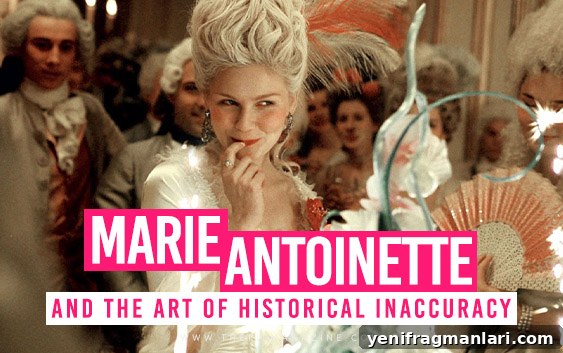
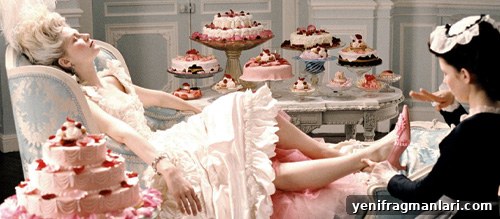
There are two equally memorable versions of Marie Antoinette that matter today. One is the historical Austrian-born queen executed during the French Revolution and unfairly associated with the apocryphal line “let them eat cake.” The other is Sofia Coppola’s reimagined young woman — pink-haired, listening to modern music, and portrayed by Kirsten Dunst — a confused teen in a gilded cage who loves sweets and struggles with the loneliness of growing up under intense scrutiny. Coppola’s Marie never utters the famous phrase; instead, she offers a contemporary portrait of isolation beneath opulent surfaces.
When the historical Marie meets the guillotine, critics did something similar to Coppola’s film: many dismissed it outright. Early reviews labeled the film a vapid retelling that favored style over substance. Commentators accused the director of being overly “contemporary” and too focused on fashion and surface aesthetics. Some critics called the project a squandered opportunity to use the real grounds of Versailles to tell a deeper historical tale. At first glance, the film can look like a glossy fashion show or a shallow modern pastiche.
Yet Coppola’s choices are intentional. Marie Antoinette functions as an impressionist painting more than a conventional period biography. The film deliberately blends past and present to evoke emotional truth rather than deliver a literal chronicle. Coppola’s version concentrates on interior life: the anxieties, contradictions, and small rebellions of a young woman thrust into a role she did not choose. That focus on the inner world of a female protagonist has resonated with a generation of filmmakers, encouraging approaches that privilege empathy, mood, and style over strict archival fidelity.
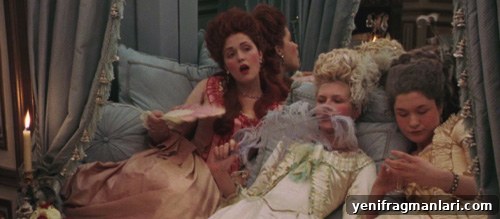
From the opening shot, Coppola signals her intent. The film begins with a punk-inflected soundtrack as Marie stares into the distance, dressed in sumptuous period costume but posed in a deliberately modern, casual way—feet up on an ottoman, finger in a frosted cake. The juxtaposition of historical dress and contemporary attitude creates tension: the image unsettles because it refuses to obey our expectations about royal decorum. That discord mirrors Marie’s own dislocation—torn between adolescence and monarchical duty.
In a telling moment, Marie looks straight at the camera with a dead-eyed expression that breaks the fourth wall. The glance reads as both defiance and plea: Coppola acknowledges the film’s departures from strict history while conveying Marie’s profound loneliness. Here is a girl caught between two worlds, too young to be the woman history made her, too constrained to be herself.
Sofia Coppola’s recurring theme is existential solitude. Since her debut with Virgin Suicides, she has mined the interior lives of fashionable, affluent women who lack control and purpose despite material comforts. Marie Antoinette extends this concern to a historical figure, suggesting that the painful tension between appearance and agency is not merely contemporary feminine angst but a recurring element of women’s experience across eras. Rather than listing events, the film stages intimate moments that invite empathy and identification from modern viewers.
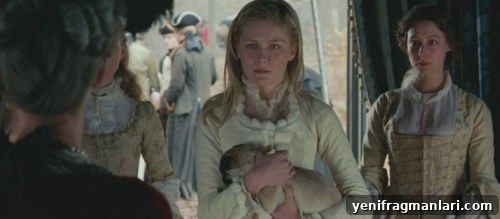
The film’s playful blending of fact and fiction is most vivid when Marie arrives in France. Coppola stages that arrival as a mix of cinematic fantasy and tender observation: the young bride travels with her pug, pin-straight hair and all the trappings of a trendy teenager misplaced in a royal setting. The movie underscores Marie’s real youth—she was barely a teenager—and the brutal lessons she endures. Scenes where she is stripped of comforts or humiliated feel like watching a prom queen forcibly unrobed; the emotional impact is intensified by the modern visual language Coppola employs.
This deliberate anachronism is not meant to trivialize the past. Instead, it reframes history to make its emotional truths accessible: a teenager’s isolation, the suffocating rituals imposed by power structures, and the ways public scrutiny can deform private life. Coppola’s film was controversial when released precisely because it refused the authoritative tone of many period dramas. Over time, however, that refusal has come to look like foresight. Contemporary audiences and filmmakers increasingly embrace hybrid storytelling—mixing modern sensibilities with historical settings—to illuminate social dynamics and human continuity.
In the decades since Marie Antoinette premiered, storytelling in film and television has shifted toward this generous blending of eras and styles. Filmmakers and showrunners have grown more willing to foreground marginalized perspectives and to use historical backdrops as mirrors for present concerns. By prioritizing mood, costume, and interiority, Coppola helped open creative space for works that center emotional authenticity over documentary literalism.
Ultimately, Marie Antoinette remains a provocative, beautifully crafted portrait of a young woman caught in the machinery of history. Its strengths are subtle: empathy over indictment, aesthetics as narrative language, and the brave decision to make a historical figure speak to contemporary audiences. Coppola’s film does not replace historical records; it complements them by asking viewers to feel the costs of aristocratic spectacle and the quiet tragedy of a life lived under relentless expectation.
Written by Emi Grant
You can support Emi Grant in the following places:
Instagram – @emi.grant
Portfolio – grantemi.portfolio.com
Twitter – @emii_grant