

Cinema exists to be watched, felt, experienced and examined. Great films reflect our best strengths, our deepest fears and our truest aspirations. They are collaborative works of art intended to be shared in darkened rooms, drawing audiences into other lives and perspectives, inviting empathy for characters across time and place. Film is more than a commodity to be half-watched and then forgotten; it is a layered craft made by skilled artists working together toward a coherent vision. The best films transport, transform and sometimes change lives.
This list presents ten films from 2020 that did just that: works that forced empathy, inspired awe and sustained the theatrical imagination during an unusually difficult year for cinemas. These selections represent films that are more than plotlines or striking images; they are bold, challenging and deeply felt pieces of filmmaking that left a lasting impression.
10 Best Films of 2020
Author: Joseph Wade
10. Relic
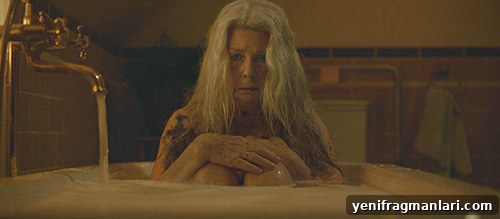
Relic — review highlights
Natalie Erika James’ debut horror feature, Relic, combines genuine scares with emotional depth. The film centers on three generations of women confronting an unsettling mystery surrounding their matriarch. Its sound design and production design amplify a growing sense of dread, while strong performances create an affecting portrait of familial responsibility, trauma and grief. Relic is an allegorical horror that lingers long after the credits roll.
9. The Lighthouse
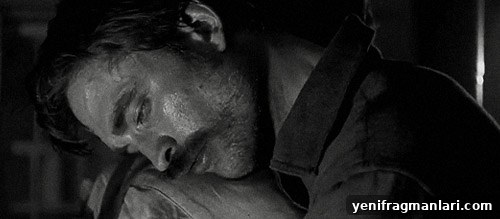
The Lighthouse — review highlights
Robert Eggers’ The Lighthouse is a raw, black-and-white study of isolation anchored by towering performances from Robert Pattinson and Willem Dafoe. Shot in an intentionally boxy aspect ratio with vintage lenses, the film channels old cinematic forms while delivering a modern psychological intensity. Its claustrophobic atmosphere and formal choices make it a singular viewing experience—challenging, disorienting and unforgettable.
8. A Hidden Life
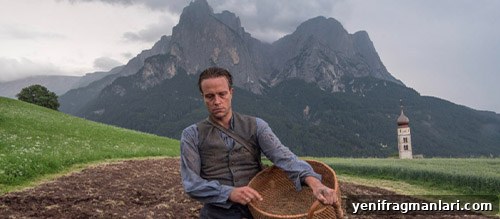
A Hidden Life — review highlights
Terrence Malick’s A Hidden Life tells the true story of Franz Jägerstätter, an Austrian conscientious objector during World War II. Malick tempers his visual lyricism to serve a humane, narrative-driven portrait of moral courage. Jörg Widmer’s cinematography and James Newton Howard’s restrained score create a deeply affecting, cinematic experience that rewards viewing on a large screen. The film is a luminous testament to conscience and compassion.
7. Mank
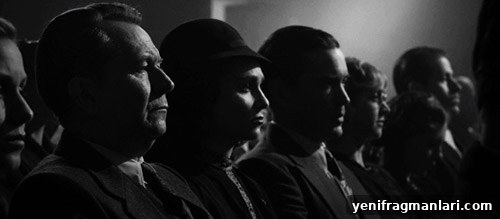
Mank — review highlights
David Fincher’s Mank is a lovingly crafted black-and-white homage to classic Hollywood, adapted from a screenplay by his father. The film balances affection for cinema’s past with a sharp-level look at studio politics and mythmaking. Fincher’s direction, meticulous editing and strong lead work make Mank feel both personal and grand, a modern elegy to a vanished era of filmmaking craft.
6. Ema
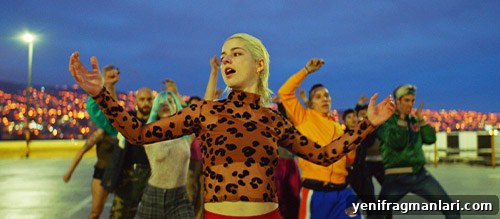
Ema — review highlights
Pablo Larraín’s Ema is an exuberant, sensory film about art, rebellion and personal reinvention. Filled with bold color choices in wardrobe, lighting and production, the film favors expressive, experiential filmmaking over conventional storytelling. Ema celebrates artistic freedom and the disruptive power of creative expression, offering a visually rich, emotionally charged portrait of a woman reclaiming her life.
5. I’m Thinking of Ending Things
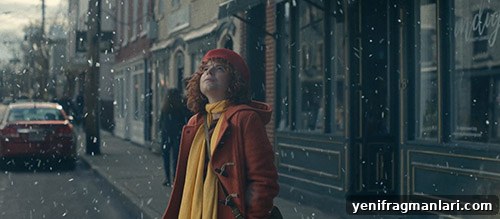
I’m Thinking of Ending Things — review highlights
Charlie Kaufman’s I’m Thinking of Ending Things is a dense, surreal meditation on memory, identity and loneliness. Anchored by Jessie Buckley and Jesse Plemons, and photographed with deliberate artistry, the film deliberately resists conventional narrative comforts. Its dreamlike structure and psychological intensity make it a challenging but highly original work that confronts modern anxieties with unflinching imagination.
4. Uncut Gems
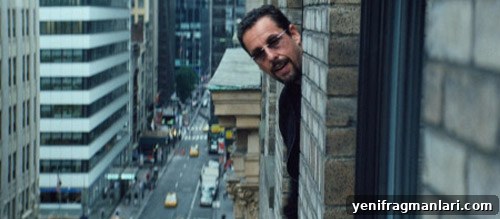
Uncut Gems — review highlights
The Safdie brothers’ Uncut Gems is an adrenaline-fueled portrait of compulsive risk and urban chaos. Adam Sandler delivers a career-defining performance as a charismatic but self-destructive jeweler, matched by a breakout turn from Julia Fox. Rapid editing, kinetic camerawork and an unforgiving sense of momentum keep viewers tense for the film’s entire runtime. It’s a raw and exhilarating study of obsession.
Honourable mentions: Host; Tenet; Never Rarely Sometimes Always; Mangrove.
3. 1917
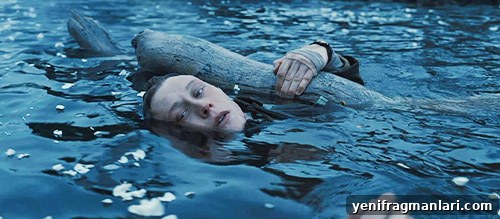
1917 — review highlights
1917 stands among contemporary war films for its technical daring and emotional immediacy. Shot to appear as one continuous take, the film’s uninterrupted staging intensifies its portrayal of the relentless pressure and danger of the battlefield. Roger Deakins’ cinematography, Lee Smith’s editing and an intense lead performance combine to produce both breathtaking images and a sustained, immersive sense of peril.
2. Portrait of a Lady on Fire
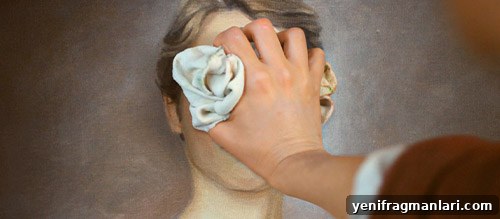
Portrait of a Lady on Fire — review highlights
“Do all lovers feel as though they’re inventing something?” Céline Sciamma’s Portrait of a Lady on Fire is a quiet, powerful romance that explores love, memory and artistic gaze with exceptional subtlety. Adèle Haenel and Noémie Merlant give luminous performances in a film that shapes emotion through small gestures, restrained dialogue and exquisite composition. It is a modern masterpiece of intimacy and visual poetry.
1. Parasite
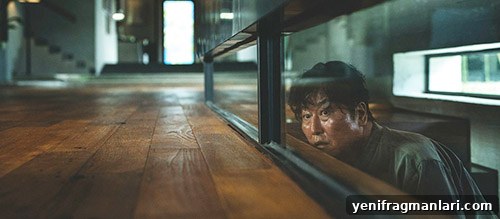
Parasite — review highlights
Bong Joon-ho’s Parasite is a rare film that balances precision, dark humor and moral urgency to create an unforgettable social fable. It examines class, family dynamics and systemic inequality with layers of invention and emotional clarity. Parasite’s shifting tones—from satire to fury—are supported by incisive direction and tightly calibrated performances, producing a film that rewards repeated viewings and continues to reveal new insights.
2020 will be remembered for its profound challenges. These films, however, demonstrate cinema’s enduring power to illuminate, console and provoke. As the world looks forward, great films remain essential: they expand perspective, nourish empathy and invite collective reflection. We can only hope that future years bring more movies that challenge our assumptions and enrich our shared imagination.
Pages: 1 2 3 4