
Strange Darling (2023)
Director: JT Mollner
Screenwriter: JT Mollner
Starring: Willa Fitzgerald, Kyle Gallner, Barbara Hershey, Ed Begley Jr.
Serial killer films and true crime stories have long held a firm grip on popular culture, and while the market is crowded, filmmakers can still find new ways to engage audiences. Strange Darling, written and directed by JT Mollner, demonstrates that striking cinematic style and careful storytelling can make familiar material feel fresh. The film narrows its focus to the final days of a killer’s rampage, presenting those events with a deliberate and stylized approach that keeps viewers invested without relying on cheap shocks.
Mollner frames the movie as a dramatization of actual events, opening with a text that positions this as one of the deadliest two-year murder sprees. The narrative unfolds out of sequence, building tension through pieces of a larger puzzle rather than a straightforward timeline. Characters are often identified by archetypal labels—names like “The Lady” and “The Demon” reinforce the film’s mythic, almost folktale tone rather than grounding it in typical true-crime reportage.
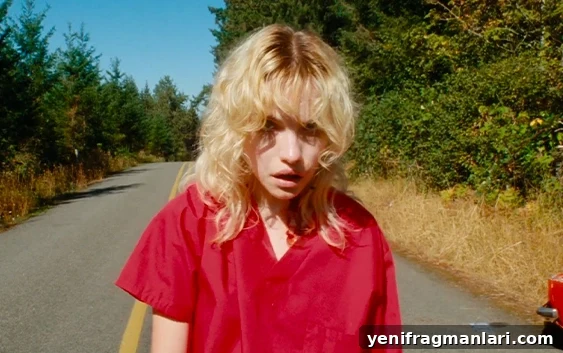
From its choice to shoot entirely on 35mm film to the retro-inspired opening credits, the movie evokes classic thriller cinema. The opening credits segue into a high-energy chase that recalls the kinetic thrills of modern grindhouse homages: a roaring black F-150 pursuing a battered orange Pinto sets an immediate tone of danger and speed. That kinetic start gives way to quieter, more atmospheric scenes, creating a rhythm of dread punctuated by bursts of violence.
Though the story is set in contemporary times, the production design intentionally blends eras to create a timeless, slightly out-of-time feeling. Aside from the truck and a brief vape pen, most visual cues suggest an older period: wood-paneled motel rooms, sepia photographs on walls, and wide-open rural landscapes marked only by wire fences. This deliberate ambiguity reduces the potential intrusions of modern technology into the plot and taps into the cultural image of serial killers from past decades—when these crimes were predominantly chronicled on grainy film and in the national imagination.
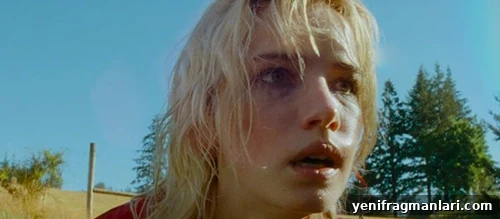
Cinematographer Giovanni Ribisi, working closely with Mollner, brings a keen visual intelligence to the film. Their compositions are often striking: expansive shots of the Oregon countryside contrast with intimate interiors layered in colored light. Small moments—two people talking in a car under the blue glow of a motel sign, for example—are staged to emphasize mood, creating a calm before the storm that heightens unease rather than resolving it. The cinematography serves both the spectacle and the characters’ inner lives, marrying beauty to menace in effective ways.
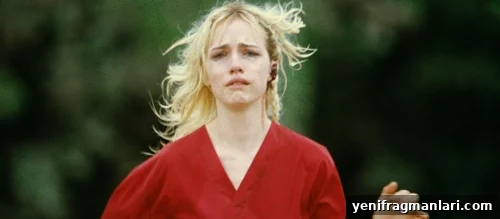
The performances anchor the film. Willa Fitzgerald delivers a captivating lead performance, moving seamlessly from composure to panic when the story calls for it. Her ability to portray vulnerability alongside fierce instinct makes her portrayal feel genuine and compelling, even for viewers well versed in horror conventions. Kyle Gallner provides a strong supporting turn, though his character naturally allows less emotional variation. Among the supporting cast, Barbara Hershey and Ed Begley Jr. stand out as a kindly mountain couple whose small domestic moments—like a tender breakfast montage—offer a welcome, human counterpoint to the story’s brutality.
A word of caution: the film includes sexual themes and moments that some viewers may find upsetting. Mollner handles these scenes with conscious intent rather than carelessness, and the material is treated within the context of the narrative rather than as mere exploitation. Nonetheless, those sensitive to such content should be forewarned.
Strange Darling ranks among the stronger serial killer films in recent years because it combines deliberate style with purposeful storytelling. It avoids gimmicks and big-name stunt casting in favor of craft-driven choices that build atmosphere and tension. The film’s visual language enhances the narrative rather than overpowering it, and the non-linear structure keeps viewers guessing until the end.
Overall, Strange Darling can be an affecting, unsettling experience—precise, artful, and raw when it needs to be. For horror fans and those who appreciate a thoughtfully constructed thriller, it offers the kind of intelligent scares and cinematic care that make the genre worthwhile.
Score: 19/24
Rating: 3 out of 5 stars