
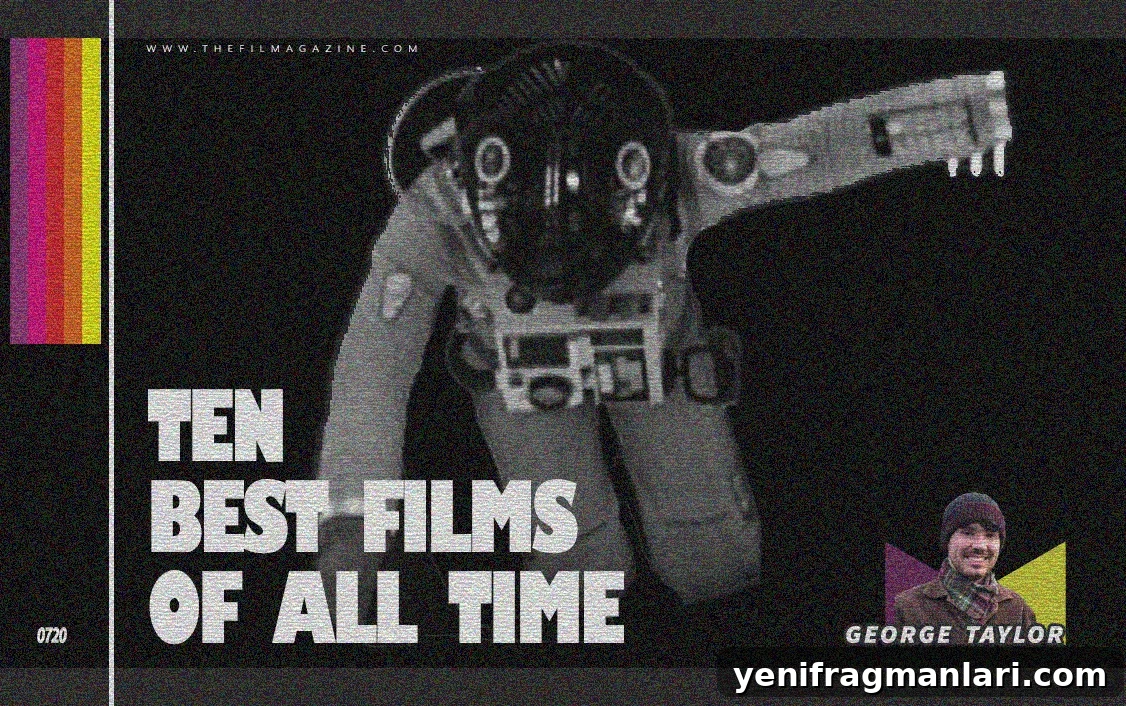
Creating a list of the top 10 films of all time is a daunting undertaking. With so many extraordinary movies spanning different eras, genres, and cultures, any list will inevitably omit worthy contenders. To arrive at this selection, I started with a list of 35 films that could legitimately claim the title of “best ever” and then narrowed that list to a final ten based on each film’s demonstrable strengths.
My approach emphasizes objective qualities—craft, influence, storytelling, technical achievement—rather than simply reflecting personal favourites. Of course, personal taste influences judgment to some degree, but I aimed to remain as impartial as possible, excluding many beloved films that didn’t quite meet the criteria for this particular list.
There are many towering directors—Orson Welles, Paul Thomas Anderson, Agnès Varda, François Truffaut, Masaki Kobayashi, Andrei Tarkovsky, Céline Sciamma—whose films could easily occupy a place here depending on the day. Ask me another time and the list might shift. For now, however, these are my picks for the 10 Best Films of All Time.
Follow me on Twitter – @MrGeorgeLAX
10. Koyaanisqatsi (1982)
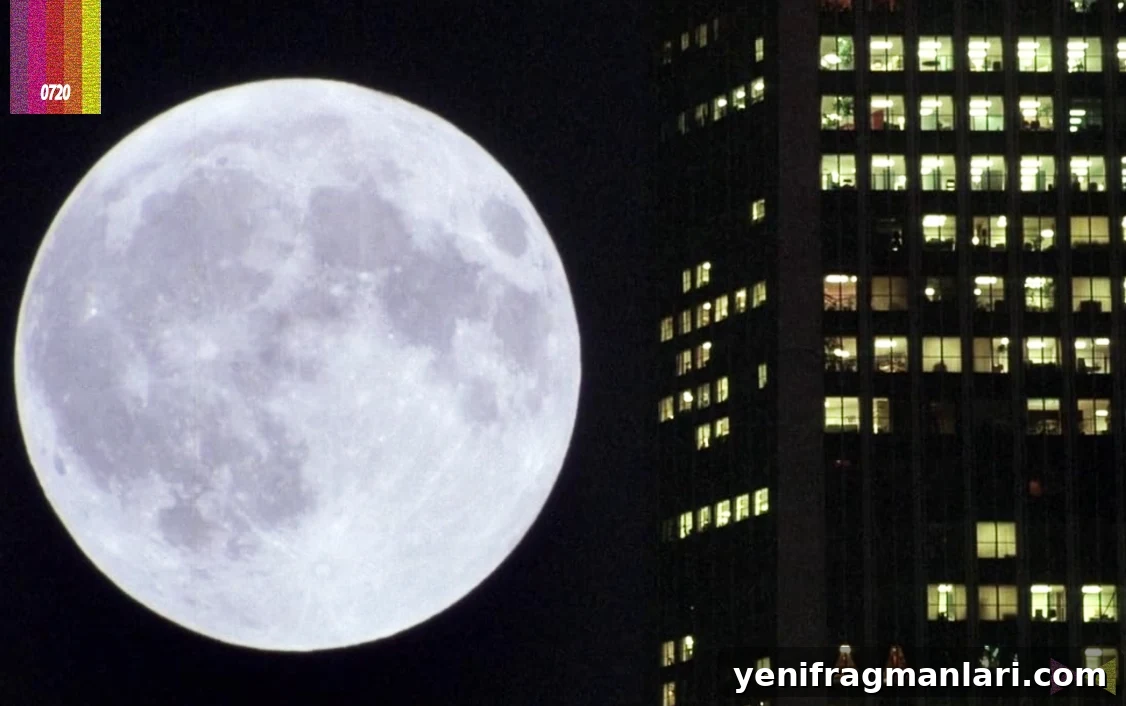
Koyaanisqatsi, directed by Godfrey Reggio, is an experimental film without a conventional plot or dialogue. Instead, it assembles a sequence of striking, often surreal images set to a hypnotic score by Philip Glass. Its title, derived from the Hopi language, roughly means “life out of balance.” The film meditates on the relationship between humanity and the natural world, delivering a potent commentary on industrialization and its environmental consequences.
Reggio’s work is a radical rethinking of cinematic form, proving that film can communicate powerfully through imagery and sound alone. Slow-motion and time-lapse photography of urban and natural landscapes create alternating sensations of awe and disquiet. While its lack of traditional narrative may challenge some viewers, for those open to a sensory and contemplative experience, Koyaanisqatsi remains utterly enthralling.
9. Princess Mononoke (1997)
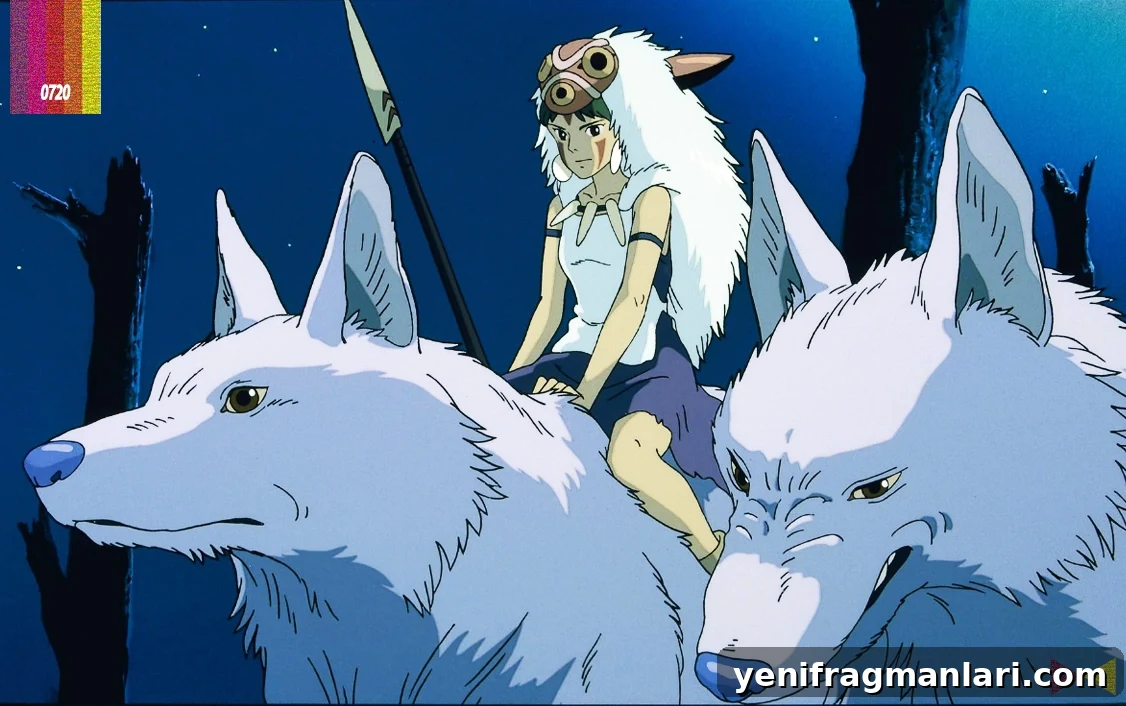
I wanted to include an animated film, and Hayao Miyazaki’s work stands out as essential. Among his remarkable catalogue, Princess Mononoke is the film I consider his finest. The epic follows Ashitaka, a young warrior drawn into a bitter conflict between forest spirits and humans bent on exploiting nature’s resources.
Miyazaki’s direction and meticulous attention to detail produce a world that feels both fantastical and grounded. Themes of environmentalism, war, and spirituality are interwoven with breathtaking visuals and richly textured settings. The film balances intimate moments of wonder—the forest and its spirits—with sweeping spectacle in its climactic sequences. Complex, morally ambiguous characters and courageous storytelling make Princess Mononoke not only a high point for Studio Ghibli but a landmark in cinema.
8. The Good, the Bad and the Ugly (1966)
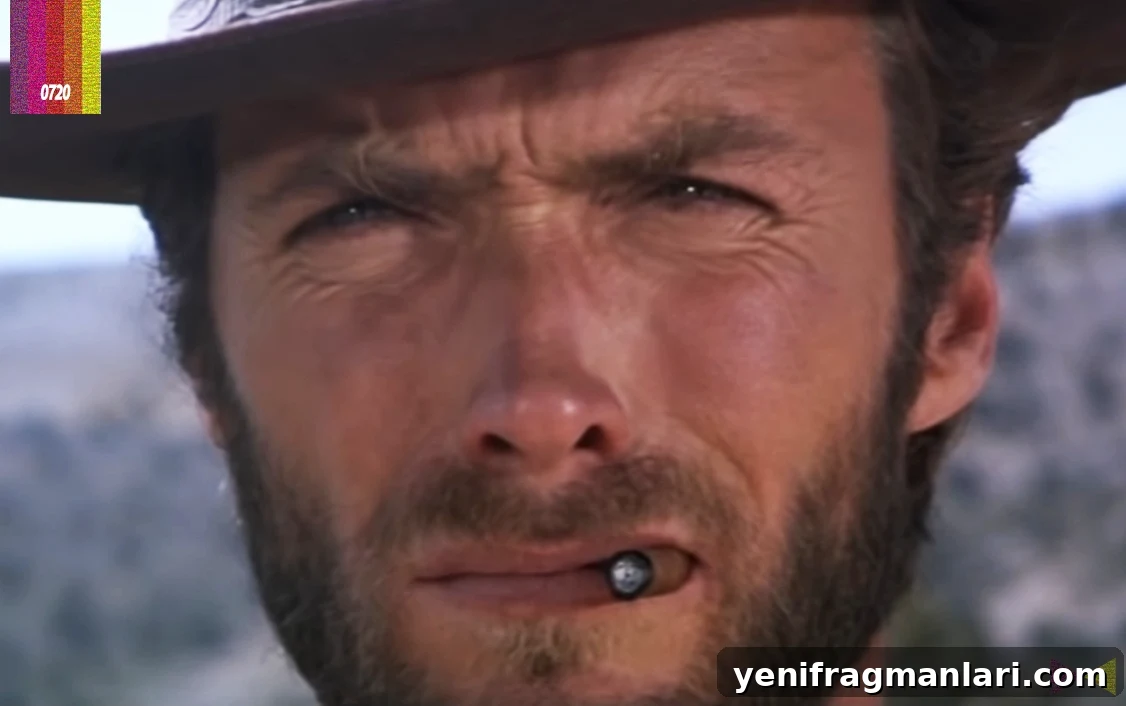
Sergio Leone’s epic spaghetti western, the final chapter in his informal “Dollars” trilogy, follows three gunslingers hunting for buried treasure during the American Civil War. Leone’s direction builds relentless tension while never losing a sense of fun; the film thrives on its audacious set pieces, including the technically daring bridge sequence.
Clint Eastwood, Lee Van Cleef, and Eli Wallach deliver iconic performances, creating a dynamic trio that fuels the film’s energy. Ennio Morricone’s unforgettable score—with its eerie motifs and soaring themes—elevates the movie to mythic status. Moments such as “The Ecstasy of Gold” at the Sad Hill Cemetery and the climactic standoff are seared into cinema history. For many viewers, the film’s only problem is choosing which scene is their favourite.
7. Shame (1968)
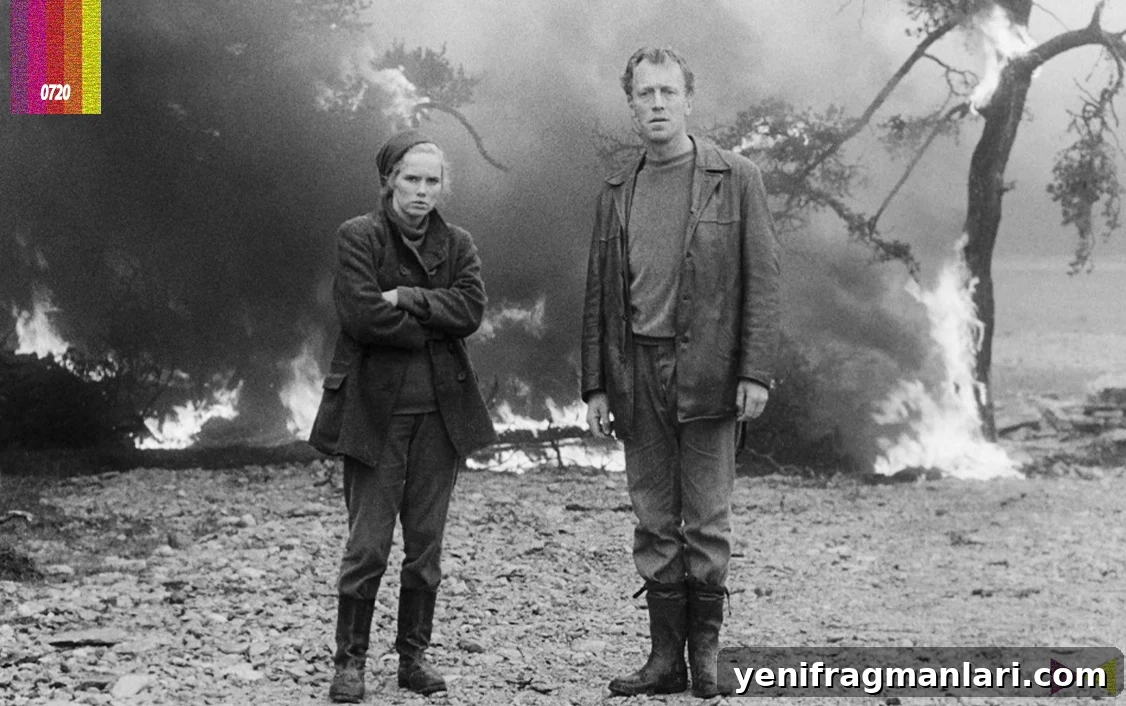
Ingmar Bergman’s films are full of masterpieces—The Seventh Seal, Persona among them—but I consider the middle film of his so-called island trilogy to be his greatest achievement. Set on an unnamed island amid an unspecified war, Shame follows a married couple, Jan (Max von Sydow) and Eva (Liv Ullmann), as the conflict encroaches on their lives and relationship.
Bergman constructs an atmosphere of unrelenting tension, supported by stark, naturalistic cinematography and long takes that amplify emotional intensity. The film’s exploration of fear, guilt, and the corrosive effects of violence is devastating in its clarity. Performances by von Sydow and Ullmann are among their finest, and Bergman’s control over tone and cinematic technique makes Shame a haunting, unforgettable portrayal of war’s psychological cost.
6. High and Low (1963)
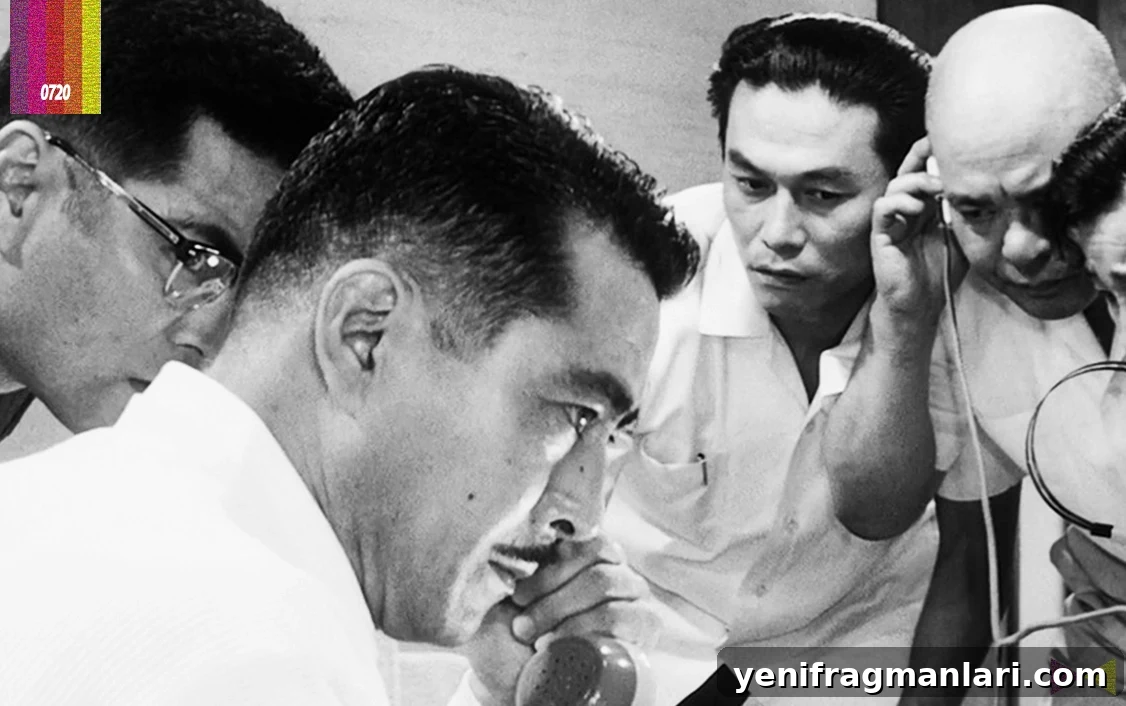
Akira Kurosawa, often celebrated for his samurai epics, also excelled in contemporary drama and crime storytelling. High and Low centres on a wealthy businessman, portrayed by Toshiro Mifune, whose chauffeur’s son becomes the target of a ransom plot. Faced with a wrenching moral choice and a tense police investigation, the protagonist must weigh personal sacrifice against justice.
Kurosawa’s precise three-act structure and economical storytelling make the film exceptionally tight and compelling. The core detective narrative is gripping, but Kurosawa’s humanism—his evocative portrayal of social inequality and moral ambiguity—elevates the piece. The film’s concluding confrontation is unbearably powerful, driven by remarkable performances and a director’s willingness to reshape a story around a pivotal emotional moment.
5. Memories of Murder (2003)
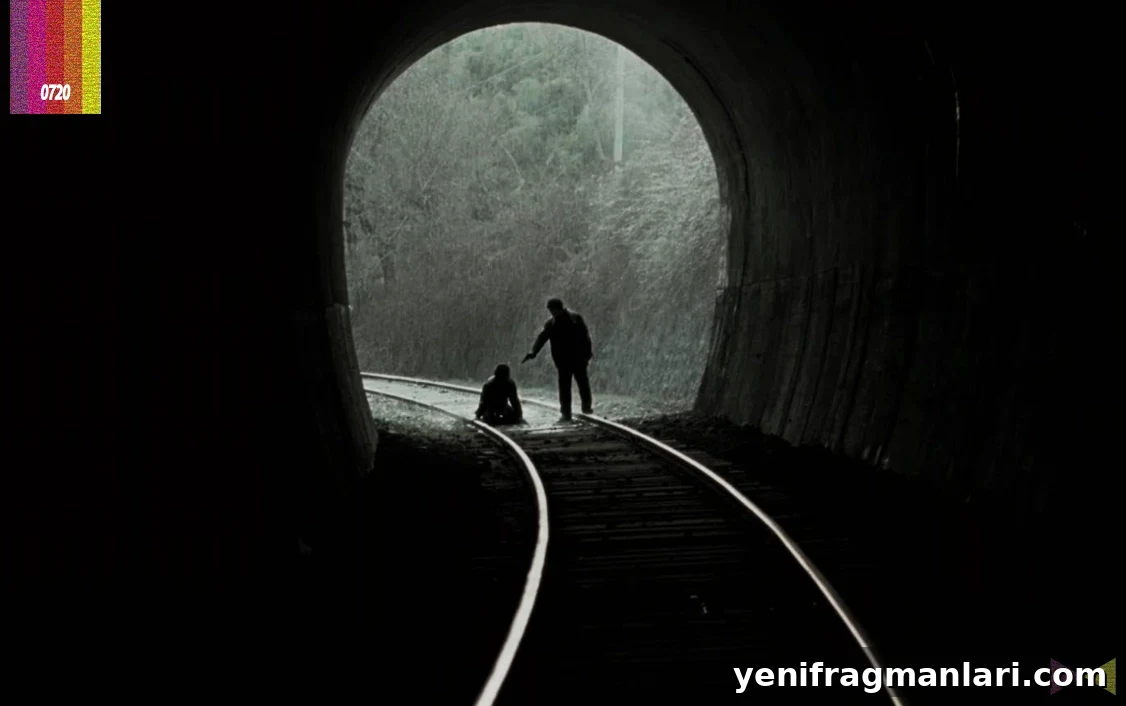
Memories of Murder, directed by Bong Joon-ho, is based on the true story of South Korea’s first recorded serial killings in the 1980s. The film follows two detectives in a rural town as they grapple with a baffling, brutal case. Bong combines taut genre mechanics with a deep focus on character, rendering the investigation as much a study of human fallibility as a procedural mystery.
The ensemble performances—especially by Song Kang-ho and Kim Sang-kyung—bring complexity and vulnerability to the detectives, making their failures and frustrations painfully real. Bong’s direction balances tension, dark humour, and social observation; the oppressive atmosphere of the town and the moral ambiguity surrounding the investigation make this film a standout in modern crime cinema. Its closing image is chilling and lingered with me long after the credits rolled.
4. The Godfather (1972)
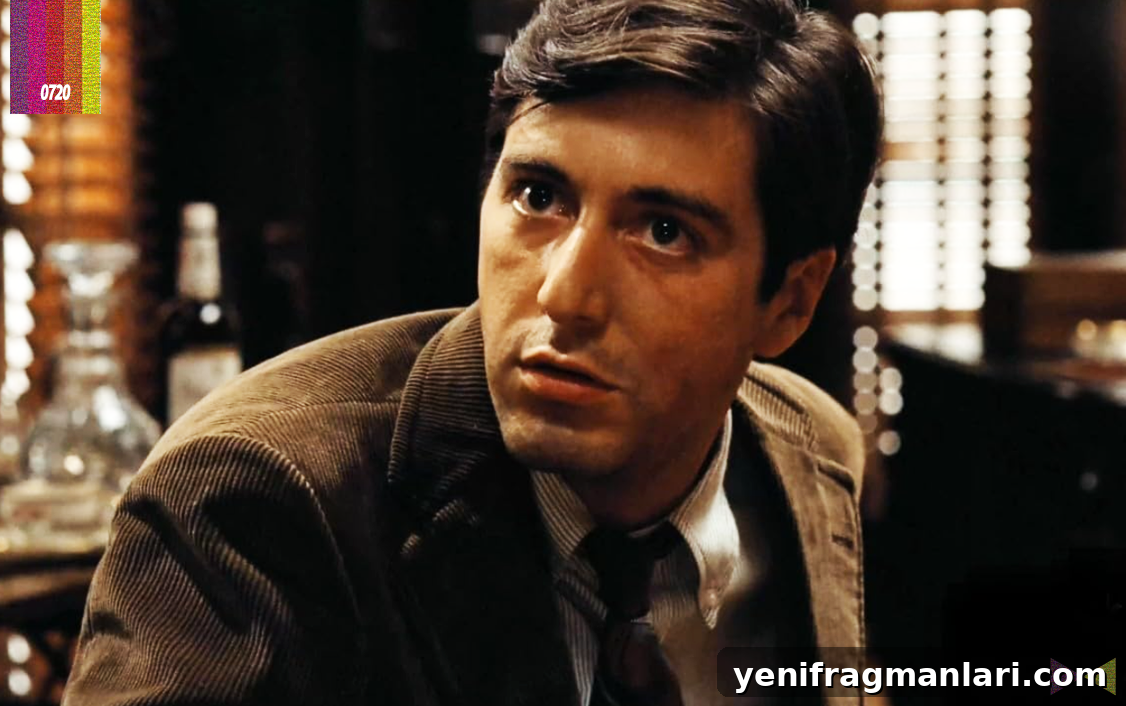
Francis Ford Coppola’s The Godfather needs little introduction. The film chronicles the Corleone crime family and the transformation of Michael Corleone from reluctant outsider to ruthless patriarch. Its exploration of power, loyalty, and betrayal has a Shakespearean breadth, articulated through deliberate pacing, quiet menace, and a handful of scenes that have become cultural touchstones.
Marlon Brando’s portrayal of Vito Corleone is legendary, while Al Pacino’s gradual, chilling metamorphosis into Michael Corleone remains one of cinema’s most compelling character arcs. Gordon Willis’s low-light cinematography contributes an unmistakable visual identity that has been endlessly imitated but rarely matched. Even decades on, the film’s craft and influence remain undeniable.
3. Children of Men (2007)
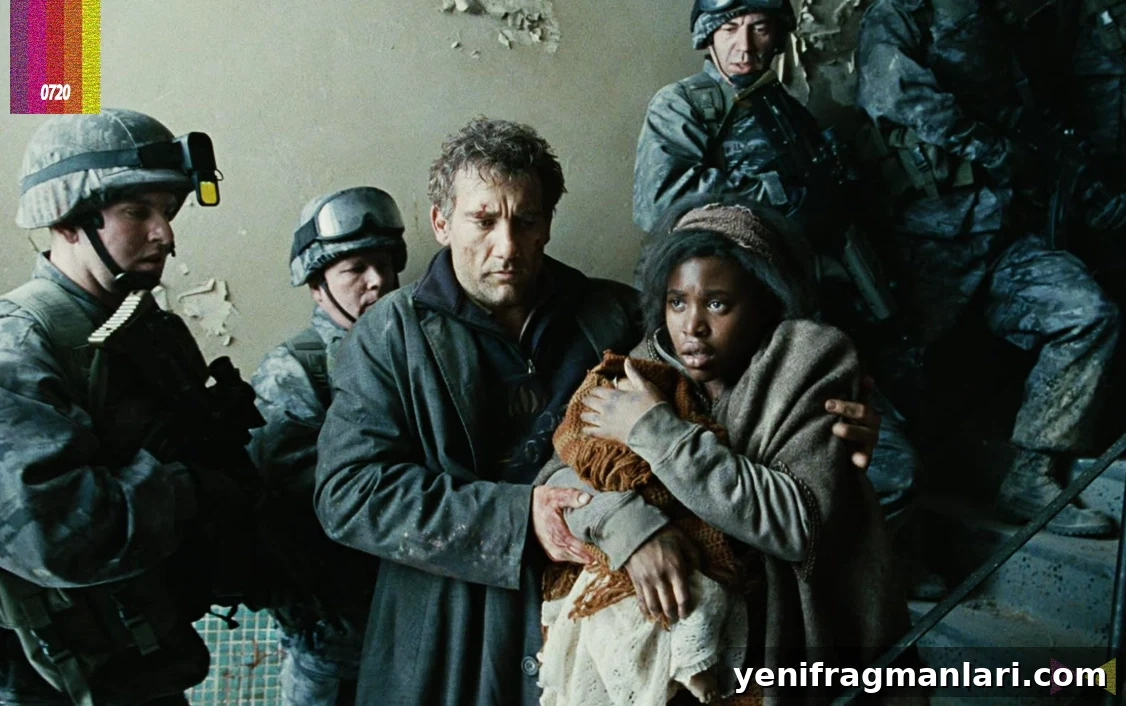
Set in 2027, Alfonso Cuarón’s Children of Men envisions a world facing societal collapse after global infertility leaves humanity without a future. The narrative follows Theo, played by Clive Owen, who is enlisted to escort a miraculously pregnant woman to safety. Owen embodies a weary, haunted protagonist whose faint hope anchors the film’s emotional core.
Cuarón’s direction is a technical and emotional triumph: long, immersive takes and masterful staging create some of the most intense action sequences in recent cinema. The film’s blend of gritty realism and bleak beauty, along with its themes of resilience and hope, leave a lasting impression. Each viewing reveals further detail and craft, making it a modern classic of dystopian filmmaking.
2. 2001: A Space Odyssey (1968)
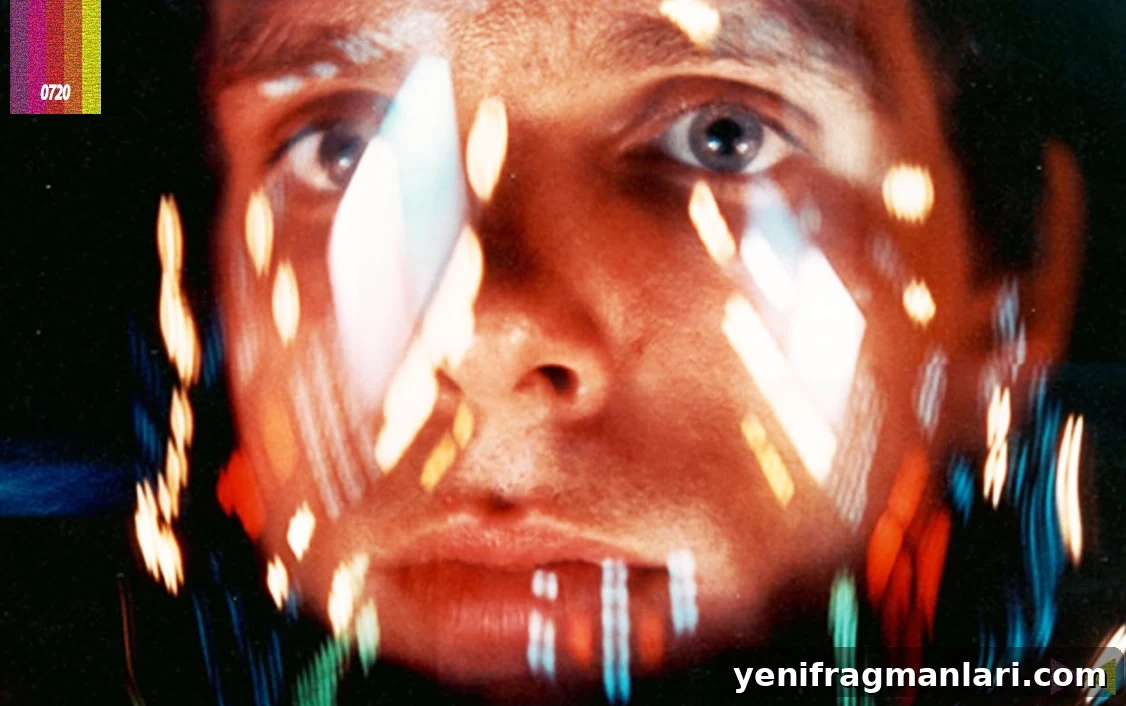
Stanley Kubrick’s 2001: A Space Odyssey follows a voyage to Jupiter that uncovers the mystery of an alien monolith. Alongside the astronauts is HAL, an artificial intelligence whose malfunction leads to catastrophic consequences. Even today, the film’s effects and production design retain a startling realism, as if Kubrick had filmed in space itself.
Kubrick’s use of silence, classical music, and precise sound design creates a hypnotic atmosphere that elevates the film to a philosophical meditation on evolution, technology, and consciousness. Its enigmatic structure and visual poetry invite repeated viewings and continued debate, and it remains one of cinema’s most audacious and influential achievements.
1. The Graduate (1967)
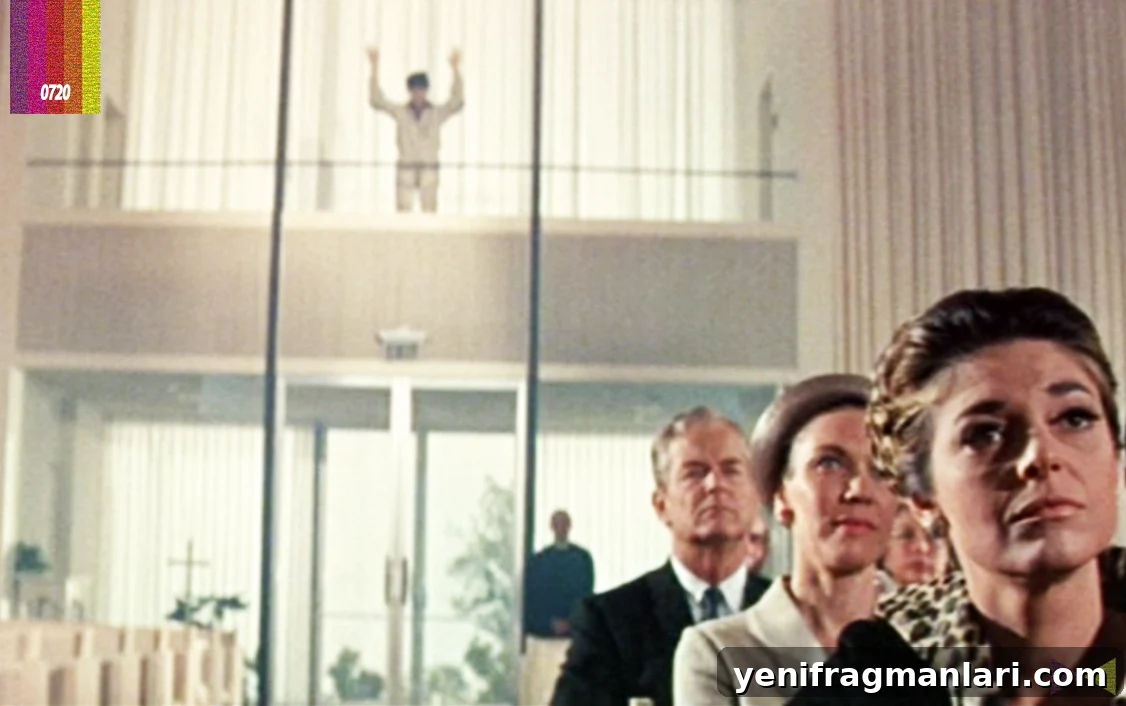
Mike Nichols’ The Graduate explores themes of youth, alienation, and the pressure of societal expectation with enduring clarity. Dustin Hoffman’s Benjamin Braddock is a character defined by uncertainty and quiet rebellion, seduced into an affair with the older Mrs. Robinson and later entangled with her daughter Elaine. Hoffman’s performance captures a blend of awkwardness, vulnerability, and sudden clarity that resonates across generations.
Anne Bancroft’s Mrs. Robinson is terrifyingly magnetic and heartbreakingly human; Katharine Ross’s Elaine provides the emotional counterpoint that propels the narrative to its unforgettable conclusion. Nichols’ inventive direction—his use of inventive camera angles, editing, and sound—creates a fresh cinematic language for the era. The pairing of the film with the music of Simon & Garfunkel amplified its cultural impact and helped make the movie emblematic of its time.
The Graduate remains a film I return to frequently because it continues to speak with intelligence, humour, and emotional honesty more than fifty years after its release.