Invasion of the Body Snatchers (1956)
Director: Don Siegel
Screenwriters: Daniel Mainwaring
Starring: Kevin McCarthy, Dana Wynter, Larry Gates, King Donovan, Carolyn Jones, Jean Willes, Ralph Dumke
In the 1950s, American science fiction horror films began reflecting two dominant cultural anxieties. One was the fear of nuclear catastrophe, which produced the era’s giant-monster spectacles such as The Beast From 20,000 Fathoms and Them!. The other sprung from the political climate of the Red Scare and McCarthy-era anti-communist sentiment. Filmmakers channeled these fears into movies that suggested an invisible, ideological invasion: stories where people could be replaced or assimilated into a uniform, emotionless collective.
Works like The Thing from Another World and It Came from Outer Space dramatized the dread that an enemy might look human while erasing individuality. Contemporary science fiction literature—John Wyndham’s The Midwich Cuckoos and Robert A. Heinlein’s The Puppet Masters, for instance—explored similar themes. Jack Finney’s 1954 novel Invasion of the Body Snatchers sits squarely within this trend. Although Finney later denied any specific political allegory in his book, the idea of people being quietly supplanted by identical, feelingless copies made the story an enduring emblem of Cold War-era paranoia. The 1956 film adaptation, directed by Don Siegel, is perhaps the most influential cinematic expression of that fear.
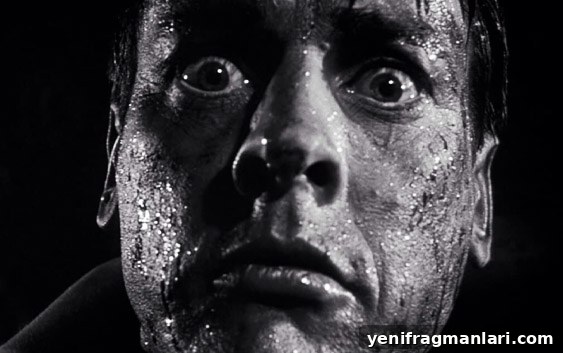
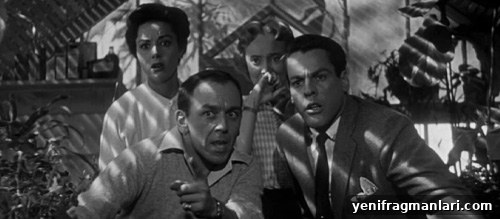
The film opens with psychiatrist Dr. Miles (Kevin McCarthy) bursting into a police station in the dead of night, frantic and convinced that time is running out. His frantic testimony launches the narrative, which unspools as a slow, tightening conspiracy: the residents of the small town of Santa Mira are being replaced by perfect, expressionless duplicates grown from giant seed pods. As the story proceeds, the gradual reveal intensifies both character and mood. The screenplay maintains tight pacing, allowing dread to accumulate steadily rather than resorting to jump scares or frantic exposition.
What makes Invasion of the Body Snatchers particularly effective is the way it balances character development, atmosphere, and the advancement of plot. The first half lays careful groundwork—establishing relationships, introducing the town’s ordinary rhythms, and seeding unease—while the second half accelerates into a relentless race against an unstoppable process. By the time the conspiracy is revealed, the audience often feels they have been watching the takeover unfold in real time and realize, too late, how quietly everything has changed.
Don Siegel’s direction supplies many of the film’s most memorable images. Quietly chilling sequences—such as townspeople methodically distributing the pods or the unsettling “birth” of replicas from their gelatinous casings—are staged with a restraint that amplifies their horror. The film’s closing moments are particularly striking: a distraught character screams his warning amid the indifferent flow of traffic, low‑angled photography and stark lighting underscoring the futility of his plea. That visual gives the finale an eerie, modern resonance, implying that the threat of assimilation can take forms beyond extraterrestrial invasion—mass conformity, consumer culture, and the erosion of empathy are all suggested as kinds of “pod” contagions.
Some elements, like the occasional voice-over narration—a common device in low- and mid-budget genre films of the period—can feel redundant when they simply restate what the visuals already convey. Fortunately, the narration is sparing and fades away when the film demands immediate attention, allowing the final act to run at full intensity without interruption.
Invasion of the Body Snatchers captures a particular kind of paranoia: the unsettling idea that anyone, even those we trust—doctors, law enforcement, neighbors—could be quietly turned against us. Film scholars later used the term “paranoid horror” to describe movies that shift the source of terror from an external monster to a threat that arises within familiar social structures. In this sense, Siegel’s film sits on the cusp of that transition. It combines genre thrills with a broader cultural unease, delivering both an effective thriller and a lasting metaphor.
Clocking in at roughly 80 minutes, the film wastes little time in embedding itself into the viewer’s psyche. Strong central performances, economical staging, and a deliberately unresolved ending leave the audience with an oppressive sense of inevitability. Rather than being a mere pulpy shocker, Invasion of the Body Snatchers has earned its reputation as a classic—an intelligent, haunting work that continues to influence how cinema explores identity, conformity, and fear.
Score: 20/24