
Rebecca (1940)
Director: Alfred Hitchcock
Screenwriters: Robert E. Sherwood, Joan Harrison
Starring: Laurence Olivier, Joan Fontaine, Judith Anderson, George Sanders, Nigel Bruce, Reginald Denny, Florence Bates, Gladys Cooper
“Last night, I dreamt I went to Manderley again.”
These famous opening words set the tone for Daphne du Maurier’s novel and for Alfred Hitchcock’s celebrated film adaptation. Among Hitchcock’s long and influential career, Rebecca stands out as the only film he directed that won the Academy Award for Best Picture. While many of his other works—such as Psycho, Vertigo, Rear Window, and North by Northwest—are often cited as his masterpieces today, Rebecca remains unique in the awards record and in tone. It is a gothic tale built around atmosphere, psychological tension and suppressed emotion rather than overt supernatural elements. The story reads like a ghost story without a ghost: a lingering presence, an influence that continues after death.
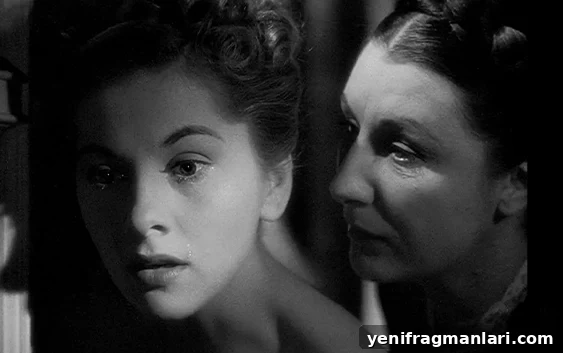
Joan Fontaine plays the shy, unnamed young woman who becomes Mrs. de Winter after marrying the brooding aristocrat Maximilian de Winter, portrayed by Laurence Olivier. Fontaine’s character arrives at Manderley, the vast coastal estate, carrying the anxiety and insecurity of a woman who feels unworthy of her new surroundings. The memory of Maxim’s first wife, Rebecca—beautiful, glamorous, and dead by drowning—casts a long, smothering shadow. At Manderley, Rebecca’s taste, habits and legacy saturate every room, every servant’s manner and every conversation. The new Mrs. de Winter struggles to find her identity and place in a household that seems designed to honor the absent woman.
Dame Judith Anderson’s Mrs. Danvers is one of cinema’s most chilling servants. Coldly devoted to Rebecca’s memory, Danvers is manipulative, austere and single-minded in her mission to keep that memory alive. Anderson’s performance is unnerving in its intensity: small gestures, controlled expression and a steel-cold calm create a character who exerts a sinister influence on the young heroine. The subtext of Mrs. Danvers’ obsession with Rebecca has long been noted by critics and audiences alike; constrained by the era’s production codes, the film conveys that devotion through implication, stare and suggestion rather than explicit statement. The result is a figure who continues to influence portrayals of obsessive, controlling characters in film and television.
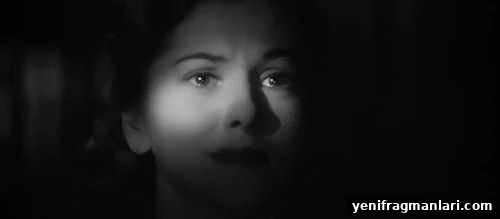
Hitchcock’s direction in Rebecca is notable for its controlled, deliberate approach. It was his first major Hollywood production, and he navigated studio pressures carefully. To preserve his vision, Hitchcock planned many shots meticulously and staged scenes so they would come together in-camera. The film’s pacing is measured and patient by modern standards, favoring mood and character over rapid plot momentum. That patience allows the atmosphere to build: misty exteriors, deep shadowing in interiors, and carefully composed frames that emphasize isolation or intrusion. Even scenes in daylight carry an uneasy, softened quality thanks to lighting, smoke and fog that Hitchcock and cinematographer Jack Cardiff used to heighten the sense of memory and melancholy.
The production values are sumptuous. Costumes, set design and art direction create a convincing, grand Manderley that feels lived-in and haunted by the past. The visual richness supports the film’s themes: class, memory, identity and deception. Hitchcock inserts small moments of dry wit—often early in the story—to humanize characters, but once the central mystery deepens he tightens the emotional screws and keeps the humor at bay. The film’s score and editing further reinforce the brooding, elegiac tone.
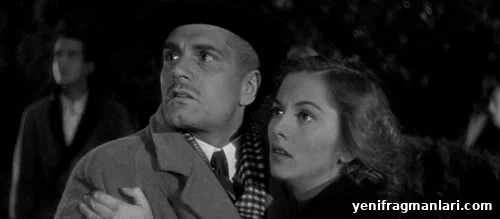
Performances across the board are strong. Laurence Olivier brings a restrained and stormy edge to Max de Winter, a man wrestling with guilt, sorrow and secrets. Joan Fontaine makes the heroine sympathetic and nervy, her vulnerability balanced by a quiet dignity that grows as the story progresses. Supporting performances—from the elegant presence of Gladys Cooper to the calculating charm of George Sanders—add texture to the social world surrounding Manderley.
Rebecca received widespread recognition at the Academy Awards, earning eleven nominations across major categories, including Picture, Director, Acting and Cinematography. The film won Best Picture and Best Cinematography (Black and White). That it emerged as the sole Hitchcock film to take Best Picture is a notable part of its legacy. Even today, critics and cinephiles discuss its strengths: its meticulously crafted atmosphere, the subtle psychological undercurrents, and the way it blends romance with dread.
Over the decades, the film’s influence has endured. Its style and character types have informed subsequent gothic romances and psychological dramas. Mrs. Danvers, in particular, has become a shorthand for the obsessive, controlling housekeeper in popular culture. The movie’s success also solidified Hitchcock’s reputation in Hollywood, proving he could translate his mastery of suspense and visual storytelling into a large-scale studio production.
Although modern viewers may find the narrative pacing slow compared with contemporary thrillers, the film rewards patience. It is a study of emotional manipulation and the ways memory and reputation can shape—and distort—reality. Hitchcock resists sensationalism, choosing instead to let unease accumulate until the truth is revealed. For those who appreciate carefully constructed mood, layered performances and classic studio craftsmanship, Rebecca remains a powerful and haunting cinematic experience.
Score: 23/24
★★★★★
Rating: 5 out of 5.