
Mission: Impossible – Dead Reckoning Part One (2023)
Director: Christopher McQuarrie
Screenwriters: Erik Jendresen, Christopher McQuarrie
Starring: Tom Cruise, Hayley Atwell, Ving Rhames, Simon Pegg, Rebecca Ferguson, Vanessa Kirby, Frederick Schmidt, Esai Morales, Pom Klementieff, Henry Czerny, Greg Tarzan Davis, Shea Wigham, Cary Elwes
Tom Cruise has experienced a modern renaissance as both a performer and a vocal advocate for the theatrical experience. Since his last outing as Ethan Hunt in Mission: Impossible – Fallout (2018), Cruise has consistently pushed to keep major films on cinema screens. He publicly returned to cinemas shortly after COVID-19 closures and campaigned for technical options on consumer displays that preserve filmmakers’ creative intent. These efforts have reinforced his reputation as one of the industry’s chief proponents of traditional cinema. After reigniting wide audience interest with Top Gun: Maverick in 2022, Cruise’s 2023 return to the franchise with Mission: Impossible – Dead Reckoning Part One arrives with similar event-level anticipation. The film leans into kinetic action, precise camerawork, astonishing practical stunts, and an emotional core that honors the franchise’s legacy and mainstream blockbuster traditions.
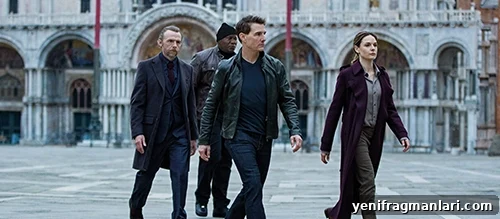
At the center of the plot is a powerful, manipulative Artificial Intelligence—an “entity” capable of reshaping the world’s systems. Ethan Hunt (Tom Cruise) and his loyal team—featuring longtime allies played by Ving Rhames, Simon Pegg and Rebecca Ferguson—must locate and protect the keys that can neutralize or control this digital menace. The stakes are global, with nation-states, intelligence agencies and criminal networks all competing to obtain the entity’s secrets. That scramble creates a tense geopolitical chase in which moral choices and personal loyalty are set against the seductive, omnipresent threat of algorithmic power.
The film deliberately frames the conflict as a clash between old-school human resolve and an emergent technological supremacy. Cruise’s public insistence that major releases remain theatrical is mirrored in the story: a human-led mission stands in defiance of an inhuman calculating force. The franchise’s self-awareness and long history of paying homage to action cinema allow Dead Reckoning Part One to act as both a thrilling spy film and a meta-commentary on the ongoing cultural debate about cinema versus algorithm-driven streaming.
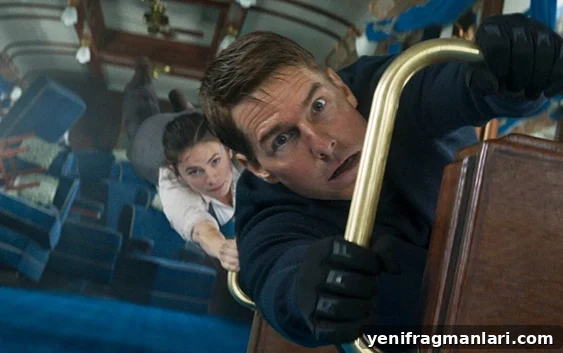
Director Christopher McQuarrie, a long-standing collaborator with Cruise, continues to balance boundary-pushing action with character-driven stakes. His previous entries in the series, including Rogue Nation and Fallout, set a high bar for tense, technically ambitious sequences grounded by emotional urgency. Dead Reckoning Part One follows that template while expanding the visual language of the franchise: the film employs bold Dutch angles, deliberate framing, and other stylistic choices that recall the series’ origins and the aesthetic of earlier auteurs. Those choices serve the film’s themes—memory, legacy, and the relationship between people and the technologies they build—without ever feeling merely referential.

Structurally, the film sometimes reveals its status as the first half of an extended narrative. A dense prologue delivers a substantial amount of exposition and world-building, and portions of the middle act trade non-stop set-piece momentum for character setup and thematic groundwork. That deliberate pacing allows the story to invest in the ensemble and the origin of the threat, but it also creates moments where the drive that defined prior entries eases. Additionally, the typically lighter comedic touch provided by Simon Pegg’s Benji is largely subdued here; the character feels more strained and serious given the apocalyptic stakes. New additions to the cast, notably Hayley Atwell, bring welcome depth and strong performances that enrich the group dynamic despite the more somber tone.
A major strength of the film is its commitment to practical filmmaking. Real stunts, on-location sequences, and an intentional minimal reliance on computer-generated imagery deliver visceral set pieces that feel immediate and dangerous. Memorable sequences—such as Cruise riding a motorcycle off a cliff—are engineered for spectacle and authenticity, producing genuine audience astonishment. Complementing those visuals is Lorne Balfe’s score, which channels a timeless, classic action sensibility and underscores the film’s larger celebration of cinema. Balfe’s music enhances tension and emotion in a way that feels both modern and reverent to the franchise’s musical DNA.
Overall, Mission: Impossible – Dead Reckoning Part One is a rewarding cinematic experience. It is the kind of blockbuster that benefits from the biggest screens and the best sound systems, designed to be seen in a theater. Tom Cruise remains magnetic in the lead, and the ensemble continues to deliver compelling chemistry and commitment. While the film may not achieve the relentless pacing of the series’ most kinetic entries and sacrifices some of the franchise’s lighter humor in favor of high-stakes drama, it compensates with ambition, technical prowess, and emotional resonance. As a thematic defense of theatrical storytelling and a showcase for practical action filmmaking, this installment succeeds in giving audiences a reason to return to cinemas and leaves viewers eager for the concluding chapter.
Score: 18/24
Recommended for you: Mission: Impossible Films Ranked