The Quiet Girl / An Cailín Ciúin (2022)
Director: Colm Bairéad
Screenwriter: Colm Bairéad
Starring: Catherine Clinch, Carrie Crowley, Andrew Bennett, Kate Nic Chonaonaigh, Michael Patric, Joan Sheehy
Quiet and unassuming, Colm Bairéad’s film The Quiet Girl (An Cailín Ciúin) quietly earned international recognition, including numerous nominations at the Irish Film & Television Awards and becoming Ireland’s first Oscar nominee for Best International Feature Film. Rooted in a specific time and place, the film’s strength lies in its intimate, domestic portrait of family life and a child’s unexpected chance at tenderness. Its reputation continues to grow in diverse territories as audiences discover its subtle power.
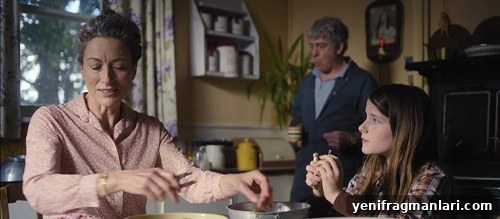
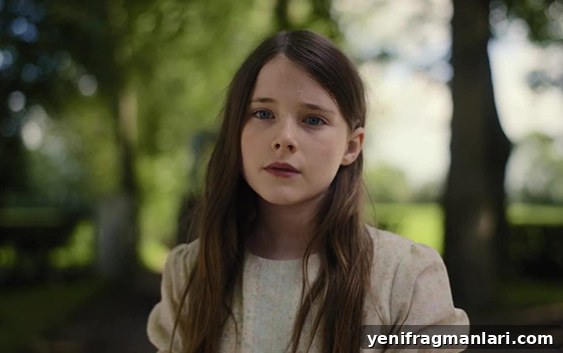
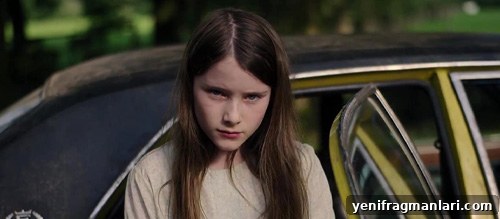
Set in rural Ireland in the 1980s and adapted from Claire Keegan’s short story “Foster,” the film follows nine-year-old Cáit, portrayed in a remarkable debut by Catherine Clinch. Neglected in her large household and sent away for the summer because her parents cannot provide for all their children, Cáit arrives at her aunt and uncle’s country farm. There, removed from the daily scramble and harshness of her family life, she begins to experience affection, care, and a new sense of belonging.
From the opening to the closing, the film frames Cáit’s world through sensory details: birdsong, the rustle of wind through trees, and long, sunlit shots of landscape. These natural sounds grow more prominent on the soundtrack as she settles into her temporary home, underscoring the contrast between the slow, nurturing rhythm of the farm and the noisy, overcrowded world she left behind.
The decision to tell the story primarily in Irish strengthens its authenticity. With fewer than half of Ireland’s population reportedly fluent in Irish in recent years, films that foreground the language contribute to its cultural presence. The choice to preserve the story’s original tongue gives it an intimacy and honesty that would be lost if translated for wider commercial appeal.
Cáit’s parents live hand-to-mouth; her mother is heavily pregnant and the couple struggles to meet the family’s basic needs. The film leaves open whether their neglect is cruelty or exhaustion. In contrast, Eibhlín and Seán, Cáit’s aunt and uncle, live more comfortably. They offer practical care and emotional warmth, though their kindness is tempered by private grief: the loss of their own son. Their generosity toward Cáit feels natural and unforced, and they quietly give her the attention she has been missing.
Despite its small scale, the film carries a profound humanist sensibility. It recognizes that not everyone is suited to parenthood, and that adults can inflict harm by failing to pay attention to a child’s needs. In one affecting scene, a talkative neighbor unintentionally reopens painful wounds by gossiping at Cáit’s side, demonstrating how careless words can upset a fragile peace.
Cinematographer Kate McCullough fills the film with soft, light-dappled frames. Visual simplicity and restraint are matched by moments of quiet emotional clarity: a silent transfer of a biscuit that turns into an act of reconciliation, close-ups that record the first dawning of happiness on Cáit’s face, and ordinary routines—washing hair, bathing—that become gestures of unconditional care. These small, tactile acts often pack more emotional force than any melodramatic plot twist.
Dialogue is sparse and measured, which makes each spoken line carry weight. A single understated exchange between Cáit and Seán conveys more than many films manage through elaborate contrivances. Composer Stephen Rennicks underscores these moments with a gently string-driven score that enhances the film’s emotional honesty without overwhelming it; when music and image align, the result is quietly moving.
Thematically, the film reflects on the consequences of silence and the value of small mercies. As Seán observes, missed opportunities to speak—or to notice—can cost people dearly. The story resists tidy resolutions; it offers instead a realistic snapshot of life where some wounds remain and some gains are fragile but real. In that realism lies its beauty: the film feels like a piece of lived experience rendered with tenderness and restraint.
Catherine Clinch’s performance anchors the film with quiet authenticity. Her expressive minimalism invites viewers into Cáit’s interior world and makes the gradual opening of her heart deeply affecting. The supporting cast provides a strong counterpoint, creating a believable household in which small gestures and unspoken emotions build up to a powerful, human truth: ordinary care can transform a life.
Score: 23/24