
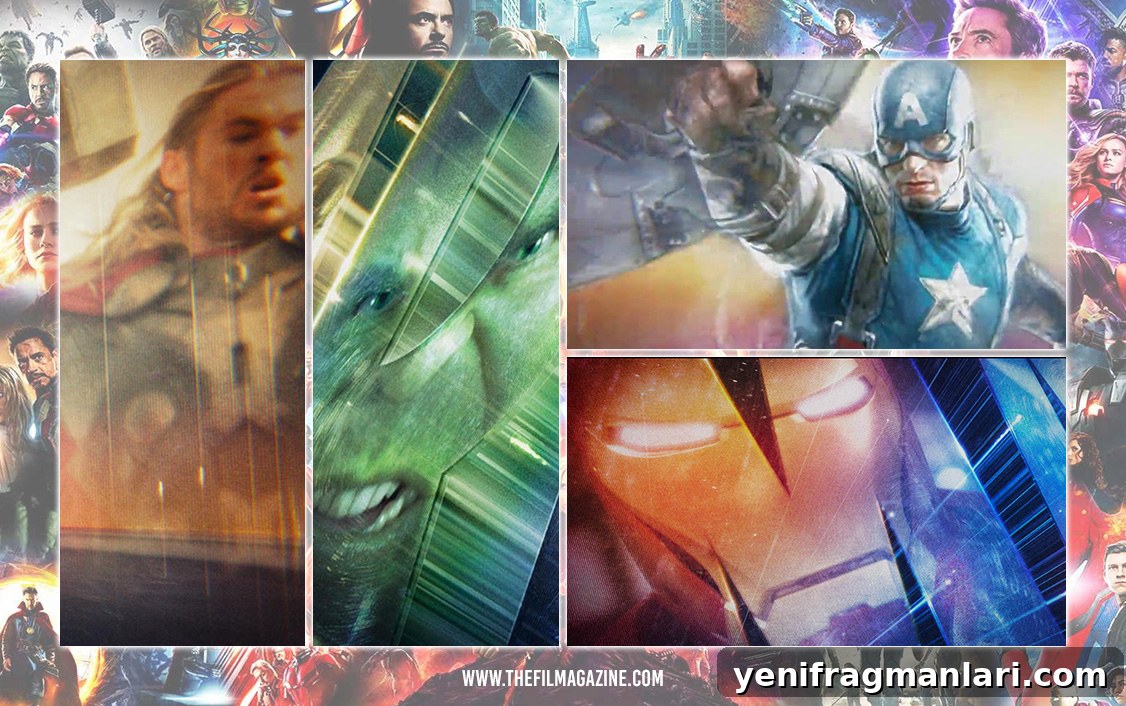
The Marvel Cinematic Universe (MCU) stands as one of the most influential media franchises ever, ranked among the highest-grossing entertainment properties in history. Since launching in 2008 the franchise has generated roughly $39 billion across box office, merchandise and home entertainment, with about $26 billion coming from theatrical receipts alone. In just fifteen years the MCU’s slate of films has out-earned long-established franchises and reshaped the film industry’s approach to large-scale, serialized storytelling.
Marvel Studios’ output has largely been met with commercial success and steady critical interest. Many of its thirty-plus theatrical releases have resonated with audiences and critics, while the studio’s willingness to take calculated risks—sometimes leaning into unique tones, distinct visual styles, or director-driven visions—has often refreshed the franchise rather than hindered it.
The MCU’s rise has permanently altered Hollywood’s landscape. The success of Marvel’s interconnected, serial model prompted studios worldwide to pursue shared universes built around existing intellectual properties, from reboots and toy-based franchises to remakes of classic cartoons and horror icons.
In this feature by The Film Magazine we examine every feature-length release in the MCU and rank them by artistic merit and cultural impact, identifying which films stand out and which have aged less well.
Follow @thefilmagazine on Twitter.
30. The Incredible Hulk (2008)
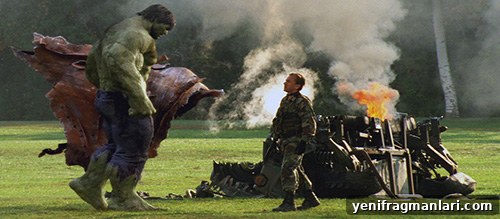
Louis Leterrier’s The Incredible Hulk remains one of the more overlooked entries in the MCU. Its relative obscurity is partly due to behind-the-scenes issues—Edward Norton did not return to play Bruce Banner—and to rights restrictions that limited standalone follow-ups with Mark Ruffalo. The film itself now reads as dated compared to later Marvel entries: tonally closer to some uneven early-2000s superhero efforts than to the more refined MCU productions that followed.
29. Thor: The Dark World (2013)
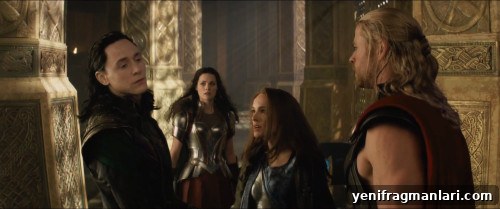
Thor: The Dark World is widely regarded as the weakest of the Thor films. It lost much of the original’s mythic texture and humor, landing between some of Marvel’s more ambitious releases and suffering for it. Despite competent performances, the movie’s bland antagonist and uninspired plot make it a forgettable sequel that neither deepens the franchise nor excites repeat viewing.
28. Iron Man 2 (2010)
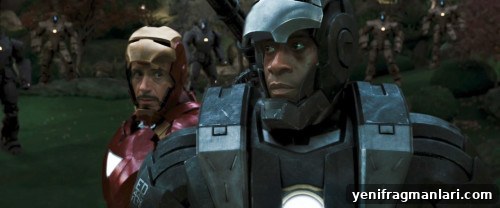
After the breakthrough success of Iron Man, the studio rushed a sequel that struggled artistically. Iron Man 2 delivered financially but faltered in storytelling and pacing. It contains moments of charm—largely thanks to Robert Downey Jr.—but overall it feels like a film made to capitalize on momentum rather than to expand Tony Stark’s world in a meaningful way.
27. Ant-Man and The Wasp (2018)

Positioned between Infinity War and Endgame, Ant-Man and The Wasp faced the difficult task of acknowledging a universe-shattering event while staying true to Ant-Man’s light tone. The film largely chooses levity and family-driven stakes, resulting in an enjoyable but smaller-scale sequel that doesn’t significantly advance the wider MCU narrative.
26. Eternals (2021)
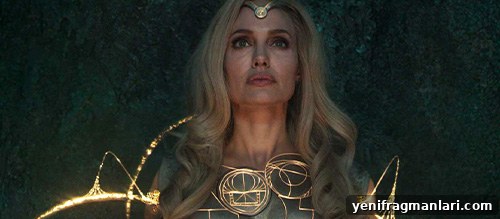
Eternals Review
Eternals arrived with high expectations—an Oscar-winning director and cosmic source material—but struggled to balance the auteur’s contemplative instincts with Marvel’s established action beats. The film’s deliberate pacing and philosophical elements clash with franchise obligations, producing an ambitious but uneven entry that feels overlong and sometimes unfocused.
25. Thor: Love and Thunder (2022)
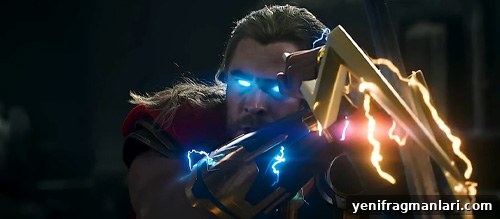
Thor: Love and Thunder Review
Thor: Love and Thunder mixes raucous comedy with surprising emotional beats and features one of the MCU’s most sympathetic antagonists. Yet the tonal shifts are at times jarring and the action lacks the scale and invention seen in recent Marvel films. It’s fun in parts but ultimately inconsistent, with standout moments spread too thinly across the runtime.
24. Iron Man 3 (2013)
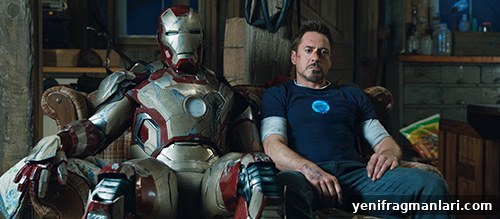
Shane Black’s Iron Man 3 plays with genre conventions and deconstructs superhero tropes—but some of its twists landed poorly with audiences expecting a more conventional climax following The Avengers. The film contains strong character moments for Tony Stark and inventive set pieces, but its tonal choices feel premature in the arc of the character’s cinematic journey.
23. Avengers: Age of Ultron (2015)
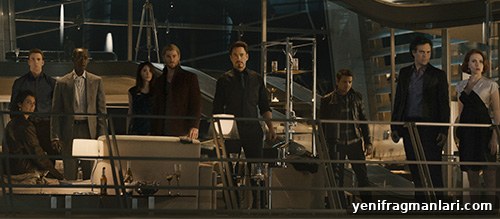
Avengers: Age of Ultron Review
Age of Ultron contains memorable set pieces and ambitious ideas, but it often feels like a repeat of a formula rather than an evolution. Its emotional beats don’t always land, and despite some striking moments of spectacle and character work, the film is arguably the weakest of the core Avengers entries.
22. Spider-Man: Far from Home (2019)
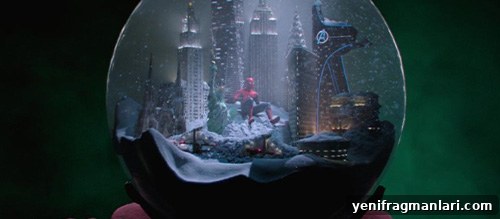
Spider-Man: Far from Home Review
Far from Home delivers astonishing visual sequences and plays cleverly with illusions and identity, but its coming-of-age elements feel redundant after earlier entries. The film’s supporting cast is underused and some tonal choices dilute the charm that made Spider-Man’s return to high school so effective in the first place.
21. Captain Marvel (2019)

Captain Marvel Review
Captain Marvel helped break a glass ceiling for blockbuster filmmaking by proving a female-led tentpole could find box office success. The film itself is solid but safe, often adopting the franchise’s familiar visual palette instead of leaning fully into its 1990s setting or distinct tone. Its most important achievement is cultural: visibility and representation on a grand scale.
20. Black Widow (2021)

Black Widow Review
Black Widow provides a closer, more intimate look at Natasha Romanoff’s past and relationships, brought to life by a cast committed to layered performances. Delayed release timing and inevitable franchise constraints limit its reach, but director Cate Shortland’s focused approach brings grounded emotion and a welcome depth to a long-standing Avengers character.
19. Captain America: The First Avenger (2011)
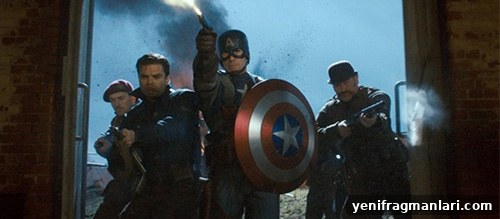
Initially modest in reception, Captain America: The First Avenger has grown in importance as later films referenced its lore. Blending wartime drama with comic-book fantasy, the film introduces key characters and themes and remains memorable for its ideas and classic hero arc, even if it isn’t the most polished entry in the canon.
18. Black Panther: Wakanda Forever (2022)
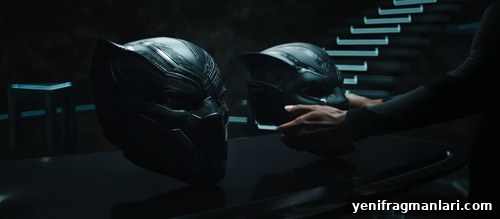
Black Panther: Wakanda Forever Review
Created in the wake of Chadwick Boseman’s passing, Wakanda Forever channels collective grief into a powerful, character-driven sequel that contends with loss, identity and legacy. The film excels in thematic depth and cultural resonance, though its length and some structural choices make it feel uneven at times.
17. Ant-Man (2015)
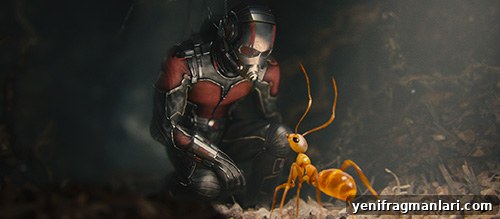
Ant-Man Review
Ant-Man offered a welcome tonal shift for the MCU: smaller in scale, big on humor and inventive in its visual gags. Paul Rudd’s charm and the film’s playful tone proved that lower-stakes, character-driven superhero stories can be fresh and satisfying additions to the larger universe.
16. Doctor Strange (2016)
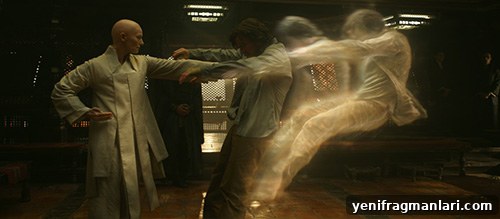
Doctor Strange introduced an imaginative visual vocabulary and mystical lore that have become essential to the MCU. Initially underappreciated, the film’s worldbuilding and aesthetic innovation have earned it growing recognition as a key entry in the franchise.
15. Doctor Strange in the Multiverse of Madness (2022)
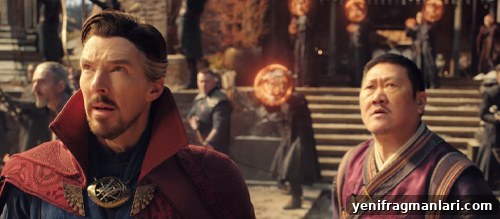
Multiverse of Madness is bolder and faster-paced than its predecessor, blending horror-tinged direction with multiverse spectacle. It delivers standout visuals and ambitious ideas, though some cameos and multiverse mechanics feel underleveraged rather than fully integrated into the story.
14. Guardians of the Galaxy Vol. 2 (2017)
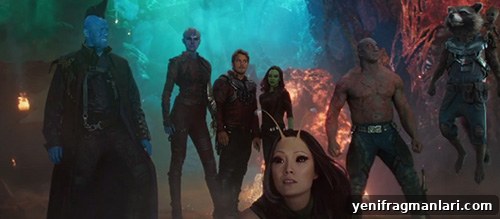
Guardians of the Galaxy Vol. 2 Review
Guardians Vol. 2 is a colorful, emotional follow-up that leans into family dynamics and visual inventiveness. It doesn’t quite match the first film’s sense of surprise, but it remains a heartfelt, entertaining chapter that deepens the team’s relationships.
13. Thor (2011)
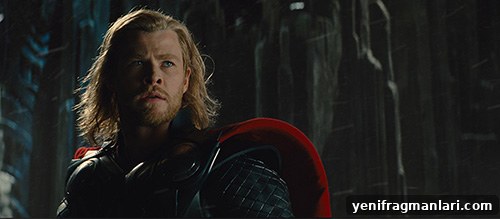
Thor introduces a mythic world and new characters with surprising confidence. Although its box office impact was modest at release, the film’s worldbuilding and character work have made it a rewarding, rewatchable origin story within the MCU.
12. Thor: Ragnarok (2017)
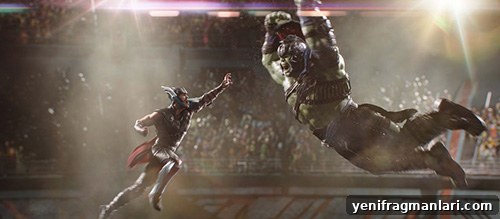
Thor: Ragnarok Review
Taika Waititi’s Ragnarok revitalized Thor with a fresh, comedic voice and vibrant visuals, opening the door for more director-driven, genre-inflected entries in the MCU. It remains one of the most stylistically adventurous and enjoyable Marvel films.
11. Shang-Chi and the Legend of the Ten Rings (2021)
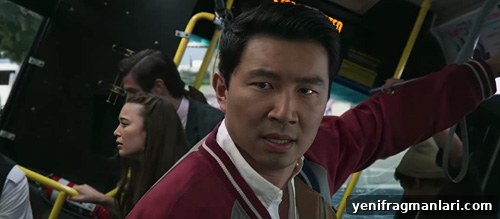
Shang-Chi Review
Shang-Chi delivered fresh martial-arts choreography, heartfelt performances and cultural resonance. It introduced new characters and styles to the MCU while honoring classic genre cinema, making it one of the strongest origin stories in the franchise.
10. Spider-Man: No Way Home (2021)
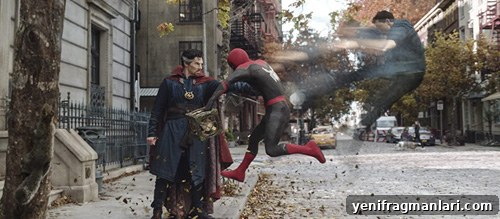
No Way Home is a celebration of Spider-Man history, bringing multiple cinematic iterations together in a heartfelt, high-stakes finale. It balances nostalgia, emotional growth and spectacle to deliver a uniquely satisfying theatrical experience.
9. Spider-Man: Homecoming (2017)
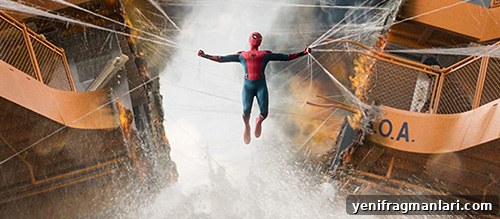
Spider-Man: Homecoming Review
Homecoming captures the joy of a teenage Spider-Man navigating school life and superhero responsibilities. Tom Holland’s energetic performance, paired with a light, 80s-inflected teen movie sensibility, made this a standout and unforgettable entry in the MCU.
8. Captain America: Civil War (2016)
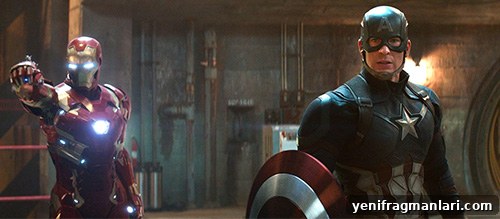
Captain America: Civil War Review
Civil War elevates the MCU with political stakes and intense character conflict. It delivers some of the franchise’s most gripping set pieces and emotional confrontations, redefining the team dynamic and leaving lasting consequences for its characters.
7. Captain America: The Winter Soldier (2014)
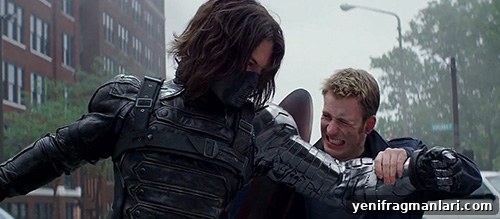
The Winter Soldier was a revelation for the MCU, introducing gritty, realistic action and political intrigue. The film’s tone, direction and stakes reshaped audience expectations for what a superhero movie could be and set the creative course for subsequent blockbuster chapters.
6. Iron Man (2008)
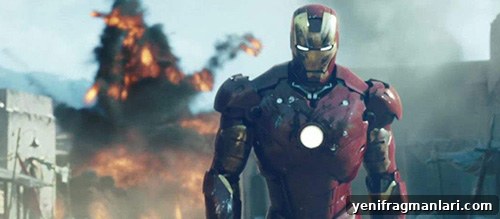
Iron Man launched the MCU and changed modern blockbuster filmmaking. Robert Downey Jr.’s charismatic performance, matched with confident direction and a sharp script, established a new standard for superhero cinema and proved this new cinematic universe could succeed on its own terms.
5. Black Panther (2018)
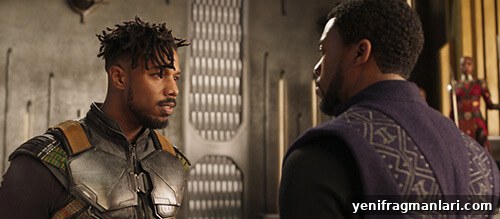
Black Panther Review
Black Panther was a cultural phenomenon: a blockbuster made by and for Black artists and audiences that delivered rich worldbuilding, powerful performances and social resonance. Ryan Coogler’s film remains one of the most important and artistically accomplished entries in the MCU.
4. The Avengers (2012)
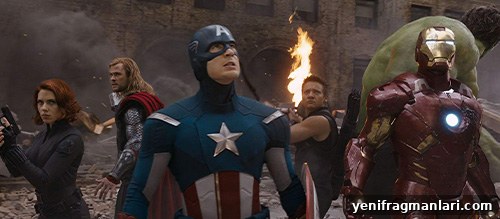
The Avengers realized a long-held cinematic dream: bringing disparate heroes together in one film with spectacular results. The movie balanced character moments, blockbuster action and fan service, creating a landmark event that validated Marvel’s serialized approach and thrilled audiences worldwide.
3. Guardians of the Galaxy (2014)
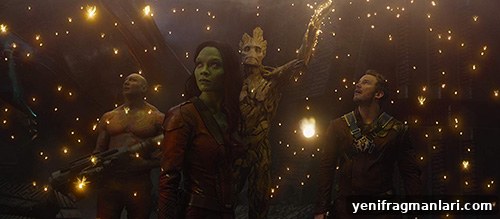
Guardians of the Galaxy surprised everyone with its irreverent humor, heart and bold creative vision. James Gunn turned lesser-known characters into beloved fixtures, delivering a soulful soundtrack, imaginative set pieces and genuine emotional stakes that remain deeply influential.
2. Avengers: Infinity War (2018)
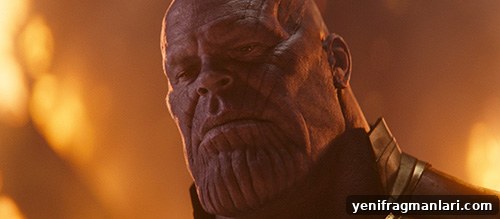
Avengers: Infinity War Review
Infinity War delivered staggering scale and emotional impact. The Russo brothers assembled a staggering roster of heroes and worlds, building to a devastating climax that left audiences stunned and eager for the final chapter.
1. Avengers: Endgame (2019)
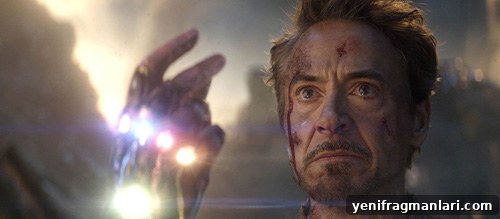
Avengers: Endgame Review
Endgame is the culmination of a decade-long cinematic experiment and delivers unparalleled emotional payoffs. Balancing character resolutions, monumental set pieces and cathartic storytelling, it stands as the defining event film of its era—an experience that resonated worldwide and changed the blockbuster landscape.
Which MCU film would top your list? Share your thoughts in the comments and follow The Film Magazine for more rankings and reviews.