
In a new era for the genre, the latest shortcut to success is quickly losing its appeal.
For more than a decade, Marvel has dominated the box office with its interconnected cinematic universe, using a blend of storytelling, spectacle, and marketing to keep audiences returning for each release. One of the studio’s most potent tools has been the surprise cameo—brief but memorable appearances by beloved characters or actors that amplify audience excitement. Cameos have existed in superhero cinema for years, from early teases like Tony Stark’s presence in The Incredible Hulk to the seismic cultural moment that came with the 2021 release of Spider-Man: No Way Home.
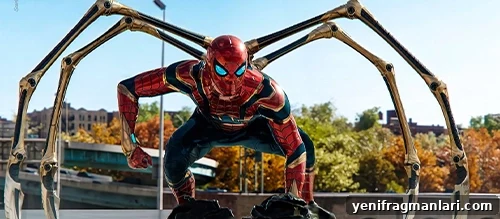
No Way Home transformed the cameo into a cultural event. The unexpected return of Tobey Maguire and Andrew Garfield alongside Tom Holland fulfilled a long-held fan wish and created an emotional payoff that felt earned rather than gimmicky. Critics and audiences praised the film not only for its spectacle but for how it used legacy characters in ways that served the narrative and enriched the protagonists’ journeys. The Guardian described the film as “very meta and self-referential,” highlighting the screenwriters’ ability to repurpose memorable lines and moments with an affectionate wink to long-time fans. Other commentators noted the film’s capacity to reconnect viewers with the source material, encouraging fans to revisit Spider-Man comics and earlier adaptations.
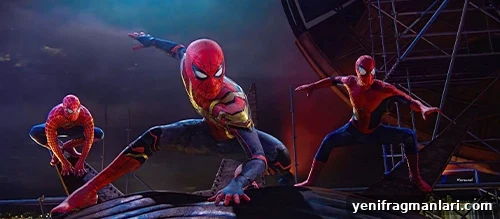
Commercially, No Way Home was a phenomenon, grossing nearly $2 billion worldwide and proving that well-executed, emotionally resonant cameos can drive both critical acclaim and financial success. That triumph prompted other franchises and filmmakers to adopt the strategy, hoping the cameo formula would reliably recreate that lightning-in-a-bottle effect.
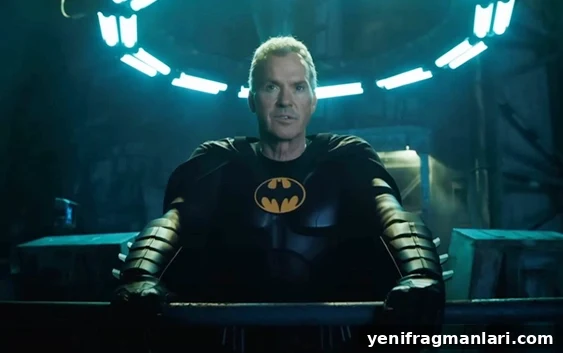
That trend became clearer in 2023. DC’s long-delayed The Flash arrived amid controversy and high expectations. The film openly marketed Michael Keaton’s return as Bruce Wayne/Batman, and that casting helped sell tickets. However, the film also included a short sequence filled with archival and digitally recreated appearances of actors who once embodied DC heroes—Adam West, Christopher Reeve, George Reeves—brought back via CGI for a brief, non-speaking moment intended to thrill. Unlike No Way Home, these inclusions offered little narrative weight: no dialogue, no substantial involvement in the plot, and only a fleeting visual beat.
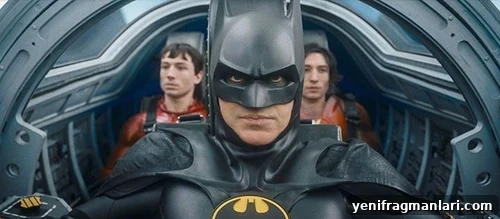
Critics questioned the ethics and artistic merit of digitally resurrecting deceased performers for a blink-and-you-miss-it moment. One reviewer labeled the effect “uncanny” and argued that the sequence felt more like a marketing ploy than a meaningful storytelling choice. The scene’s brevity and lack of emotional payoff suggested it may have been tacked on to capture headlines rather than to advance character or theme—a far cry from the way No Way Home integrated legacy characters into its emotional core.
Beyond The Flash, other recent superhero films have leaned on cameo culture with mixed results. Spider-Man: Across the Spider-Verse included a very short appearance by Donald Glover that amounted to a one-line gag, while upcoming franchise entries promise returns of legacy characters that may or may not be earned by the films’ narratives. These quick, spectacle-driven teases risk becoming hollow, especially when they exist primarily to spark social media buzz or nostalgia-driven ticket sales.
Why do these cameo-heavy approaches fall short so often? The success of No Way Home underscores the importance of intention. In that case, returning actors joined the production with the understanding that their roles would be integral to the story, and their presence was rooted in character-driven stakes. In many imitators, cameos appear to be afterthoughts—added in post-production or conceived late in development as a quick way to amplify marketing. The result can feel exploitative: fans’ affection is leveraged without offering the depth or respect those legacies deserve.
The box office performance of The Flash—modest relative to expectations—suggests audiences are discerning. Viewers want resonance and genuine emotional payoffs; they are less impressed by mere novelty. If cameos are to remain a useful storytelling tool, filmmakers must prioritize narrative integrity over headline-grabbing surprises. When legacy characters are used thoughtfully, they can elevate a story; when used cynically, they erode trust between creators and audiences.
For now, the cameo craze shows no signs of disappearing, but its effectiveness is waning. Filmmakers who adopt this tactic should remember the lesson of the best examples: cameos must be earned, meaningful, and respectful of both the characters and the audiences who care about them. Anything less risks turning a once-thrilling device into an empty trend driven more by profit than by creative purpose.
Written by Ibrahim Azam
You can support Ibrahim in the following places:
Medium: @ibrahimazam99
Instagram: @ibrahimsfilms
Letterboxd: ibrahimazam00