

From a leading figure in the Australian New Wave to an accomplished, Oscar-nominated Hollywood director, Peter Weir’s career was defined by consistently high-quality filmmaking. His style resisted simple categorization because he embraced a remarkable breadth of projects.
Over five decades Weir delivered literary adaptations, immersive historical dramas, visceral war films and inventive genre pieces before retiring quietly in 2010.
As a director he worked collaboratively with actors to draw out memorable performances. He preferred real locations—often beautiful yet inhospitable—to give his stories scale, tactile realism and an ever-present sense of nature as a force to be reckoned with.
Peter Weir’s artistic voice is sorely missed in cinema. Every film he made is at least intriguing, and ranking them is no small task. In this feature we compare and contrast all 13 of Weir’s feature films, assessing critical response, artistic merit and how well each film has endured. These are the Peter Weir films ranked.
13. Fearless (1993)

After surviving a catastrophic plane crash, a man (Jeff Bridges) develops a new, reckless outlook on life that alarms his family. Though the performances are strong, the film struggles to balance its magical realist impulses with a grounded exploration of trauma and mental health, leaving it oddly ungripping at times.
12. The Cars That Ate Paris (1974)
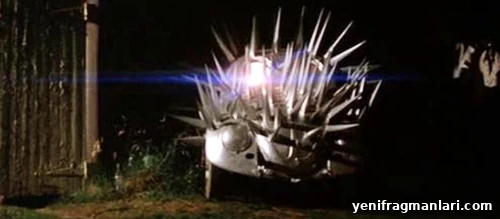
In an isolated New South Wales town, an unusual number of car accidents conceal a disturbing local enterprise. Weir’s low-budget debut—originally titled The Cars That Eat People—announced a daring filmmaker. It’s an odd, unsettling film that lingers in the mind even if it resists easy interpretation.
11. Green Card (1990)
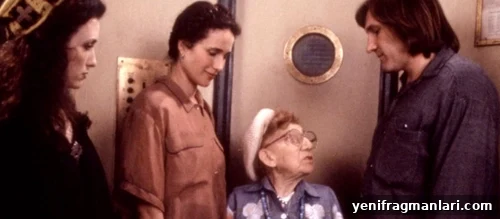
A pragmatic marriage of convenience between an American horticulturist and a French composer becomes complicated as U.S. immigration scrutiny intensifies. One of the few films Weir wrote as well as directed, Green Card features charming leads and a sharp script. It depends on rom-com conventions, but it thoughtfully addresses immigration in a way that still resonates.
10. Witness (1985)
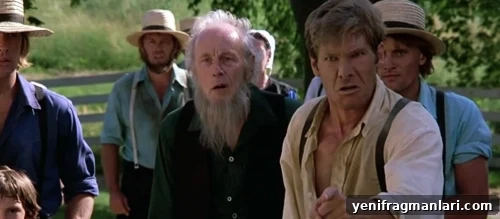
Detective John Book (Harrison Ford) shields an Amish mother and her son after they witness a murder. Taking them back to their community to hide, he learns their way of life while protecting them from corruption and violence. Witness is gripping and well-acted, though some elements—particularly its portrayal of the Amish and the romantic subplot—feel dated when viewed today.
9. The Way Back (2010)
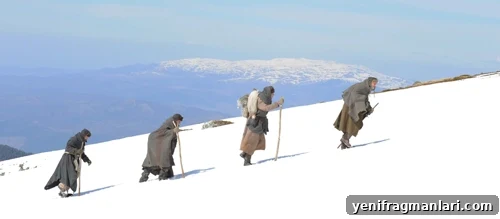
Based on an escape from a Siberian Gulag during World War II, seven men undertake a grueling trek to freedom across thousands of miles toward the Himalayas. Weir’s final film is an unglamorous, immersive survival epic. The cast—Ed Harris, Colin Farrell and Saoirse Ronan—looks convincingly worn down, and the film conveys the physical toll of the journey, though at times the narrative momentum and language choices can feel uneven.
8. Dead Poets Society (1989)
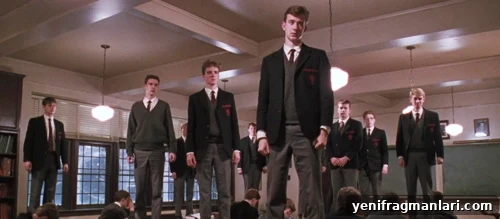
Maverick teacher John Keating (Robin Williams) inspires students at a conservative prep school to think for themselves and embrace poetry. Williams delivers an iconic, Oscar-nominated performance in a film that balances earnest emotion and quotable moments. While some student storylines land more forcefully than others, the film’s advocacy for self-expression remains deeply moving.
7. The Year of Living Dangerously (1982)
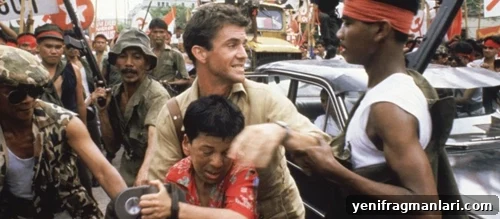
A journalist (Mel Gibson) arrives in Indonesia during the 1965 coup and becomes dangerously entangled in political reporting and a fraught romantic relationship with a British embassy staffer (Sigourney Weaver). Linda Hunt’s performance as the photographer Billy Kwan is extraordinary and earned an Academy Award; the film blends political tension and human drama, though it includes casting choices that are problematic by today’s standards.
6. The Last Wave (1977)
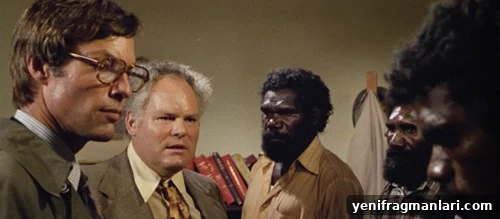
A Sydney lawyer defending Aboriginal men accused of murder is haunted by unsettling visions while exposed to cultural beliefs that challenge his worldview. This slow-burning, horror-tinged mystery benefits from Weir’s consultation with Aboriginal advisors and gives a powerful voice to Indigenous perspectives. The film’s critique of Australia’s treatment of its First Peoples is direct and affecting, anchored by compelling performances including David Gulpilil.
5. The Mosquito Coast (1986)
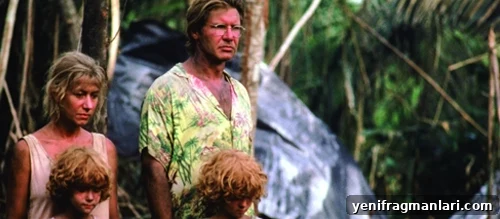
An inventor disillusioned with American society relocates his family to the Central American jungle in pursuit of a self-sufficient life. Adapted from Paul Theroux’s novel, the film portrays a man’s descent into fanaticism and how his obsessive idealism endangers his family. Harrison Ford gives a rare, uncompromising performance as a charismatic but destructive patriarch. Though it underperformed on release, the film rewards revisiting for its intensity and moral ambiguity.
4. Gallipoli (1981)
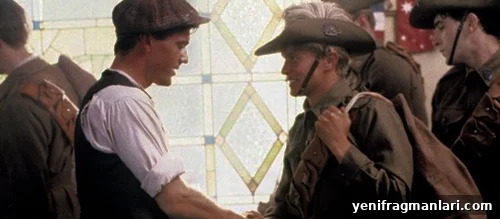
Two young Australian athletes enlist in 1915 and are sent to fight at Gallipoli. The film follows their friendship and the tragic waste of youthful lives in war. Gallipoli balances warmth and humour with harrowing realism, making its devastating finale all the more potent. It remains one of the most affecting Australian war films and an early showcase for Mel Gibson’s intensity as an actor.
3. The Truman Show (1998)
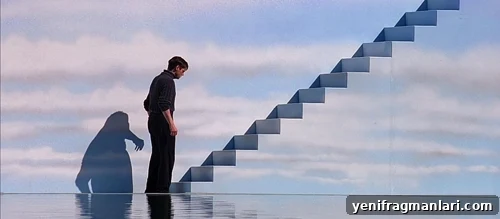
Unwittingly raised inside an elaborate reality television set, Truman Burbank (Jim Carrey) discovers his life has been fabricated for global audiences. Smart, prescient and emotionally resonant, The Truman Show blends satire, melancholy and personal discovery. Jim Carrey delivers his finest dramatic turn, and the film’s exploration of privacy, media and authenticity feels increasingly relevant.
2. Picnic at Hanging Rock (1975)
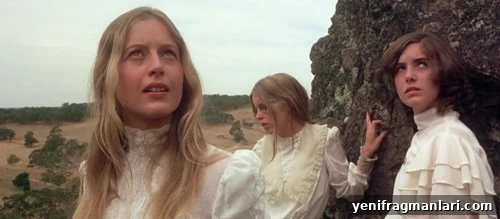
On a school outing to a remote rock formation at the turn of the 20th century, three girls and a teacher vanish without explanation. Picnic at Hanging Rock refuses tidy resolution, preferring an atmosphere of uncanny mystery. Photographed in an ethereal palette, the film functions like poetry on screen—an evocative, dreamlike experience that haunts long after viewing.
1. Master and Commander: The Far Side of the World (2003)
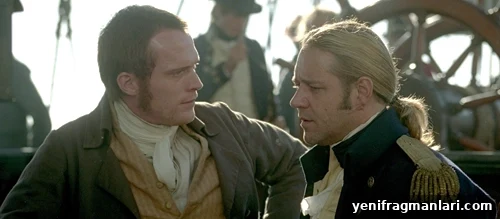
Adapted from Patrick O’Brian’s Aubrey-Maturin novels, Master and Commander follows Captain Jack Aubrey (Russell Crowe) and ship surgeon Stephen Maturin (Paul Bettany) as they pursue a French privateer during the Napoleonic Wars. Weir’s most accomplished work combines vivid setting, nuanced characterization and human detail. The film balances grand naval action with intimate moments of friendship and small, authentic touches—music, anecdotes and wry humour—that give it emotional depth. It remains a masterful seafaring epic and a highlight of Weir’s filmography.
How do you feel about this ordering? How many of Peter Weir’s films have you seen? Share your thoughts and reflections on his career and the films that stood out to you.