Compiling a list of the top 10 films of all time is an intimidating challenge. With so many remarkable movies across eras and cultures, any selection necessarily excludes worthy works. I began with a shortlist of 35 films that could plausibly claim the title of “best ever,” and through careful consideration narrowed that list to these ten.
My approach emphasizes objective strengths—craft, innovation, influence—rather than merely reflecting personal favorites. My tastes inevitably shaped the choices, but I aimed for impartiality, excluding many films I love that did not meet the criteria for this list.
It feels strange not to include legendary directors such as Orson Welles, Paul Thomas Anderson, Agnès Varda, François Truffaut, Masaki Kobayashi, Andrei Tarkovsky, or Céline Sciamma—any one of them could appear here on a different day. Still, the films below represent what I consider the 10 Best Films of All Time as of now.
Follow me on Twitter – @MrGeorgeLAX
10. Koyaanisqatsi (1982)
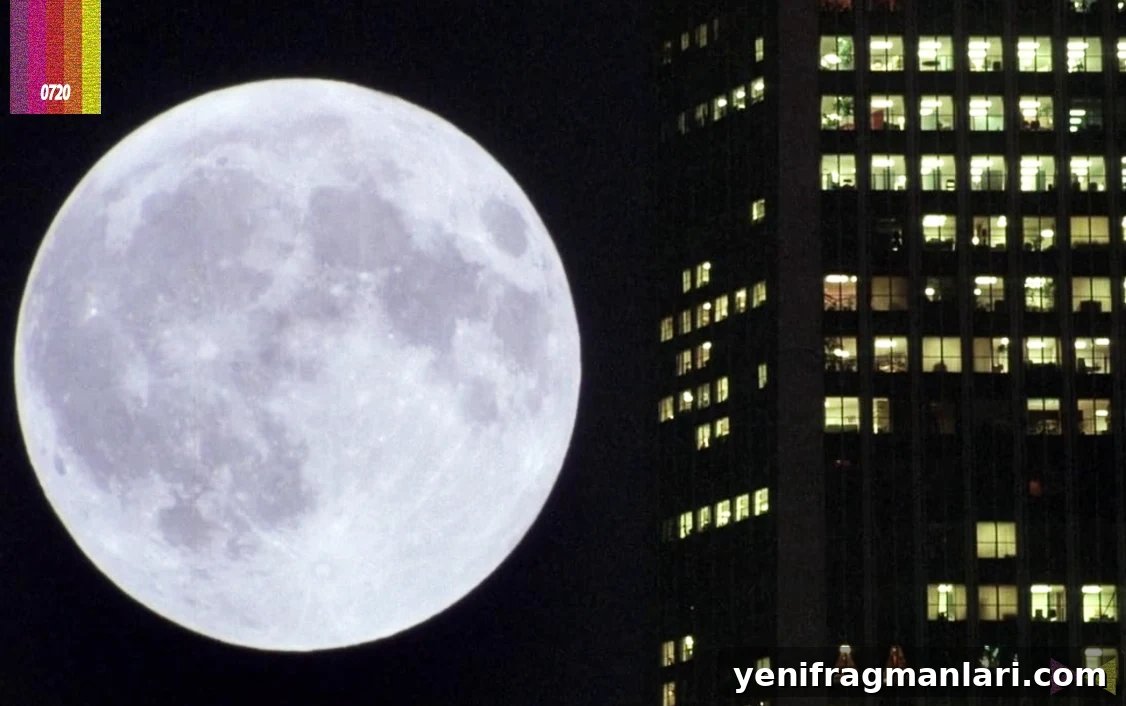
Koyaanisqatsi, directed by Godfrey Reggio, is an experimental film without a conventional plot. Instead it presents a succession of breathtaking and often surreal images set to a hypnotic score by Philip Glass. Its title, derived from the Hopi language, translates roughly to “life out of balance.” The film meditates on the relationship between humans and the natural world, delivering a stark and poetic critique of modern civilization’s impact on the environment.
Reggio’s film broke new ground by challenging traditional narrative cinema and demonstrating how visual rhythm and music can create meaning. Through slow motion, time-lapse, and striking juxtapositions of urban and natural landscapes, the film provokes both wonder and unease. Its lack of a linear story may be demanding for some viewers, but for those willing to surrender to its sensory logic, it’s an enthralling cinematic experience.
9. Princess Mononoke (1997)
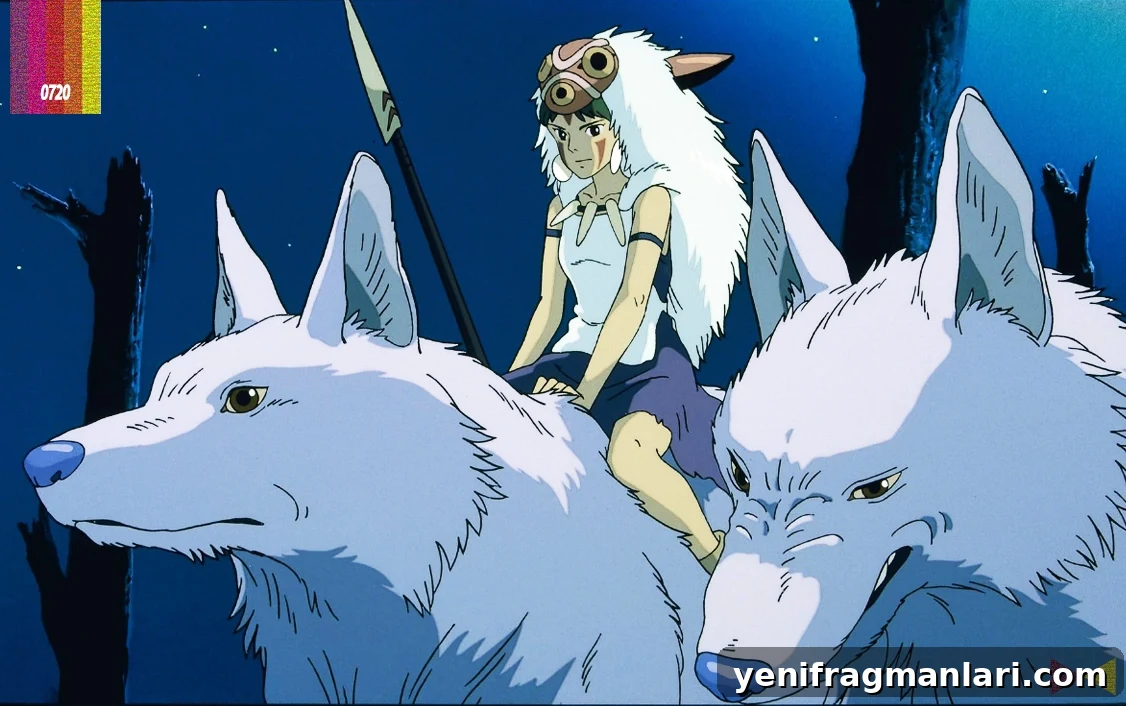
I wanted to include animation on this list, and Hayao Miyazaki’s work is the obvious place to look. Among his extraordinary films, Princess Mononoke stands out as his most ambitious. The story follows Ashitaka, a young warrior who becomes entangled in a brutal conflict between the spirits of a dying forest and humans exploiting its resources.
Miyazaki’s direction marries the fantastical with the tangible, crafting a richly detailed world that feels lived-in and urgent. Themes of environmentalism, conflict, and spirituality are woven together with moral complexity—villains and victims often inhabit the same frame. Visually, the film is a feast: intimate moments among the forest spirits coexist with sweeping, kinetic set pieces. The layered characters and breathtaking animation make Princess Mononoke not only the pinnacle of Studio Ghibli’s output but also one of cinema’s greatest achievements.
8. The Good, the Bad and the Ugly (1966)
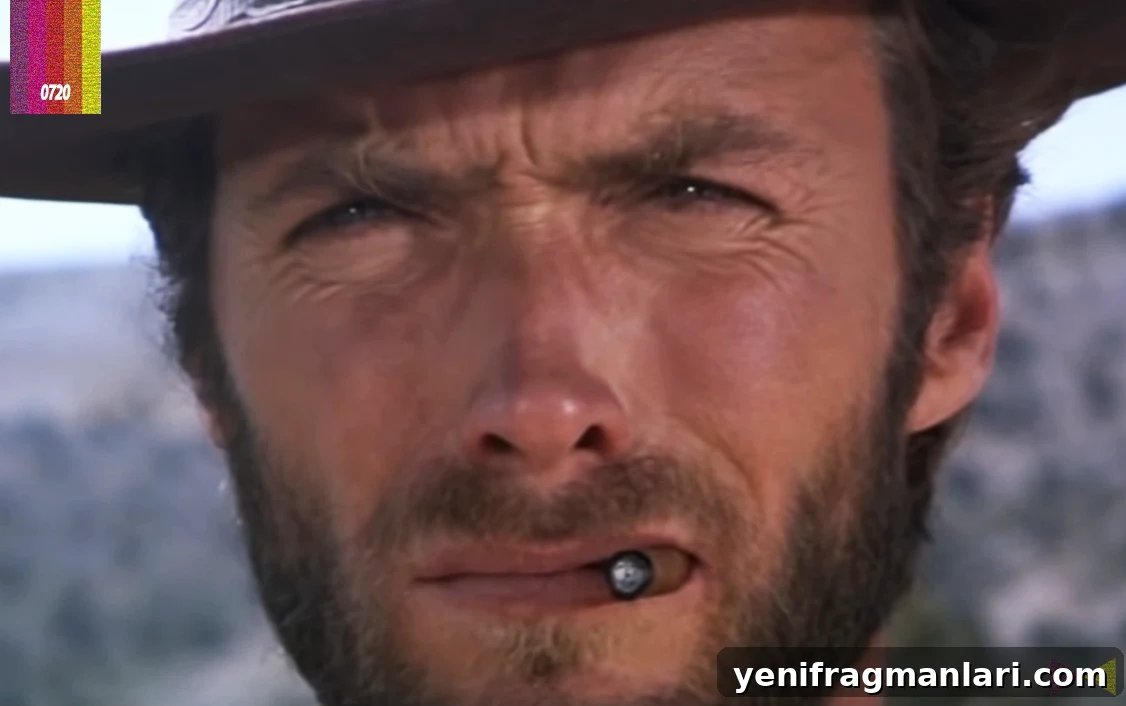
Sergio Leone’s third film in the loose “Dollars” trilogy is an epic spaghetti western that tracks three gunslingers during the American Civil War as they search for buried treasure. Leone’s direction creates a mounting tension that culminates in an unforgettable climax, yet the film never forgoes a sense of exhilarating fun. Numerous set pieces—like the audacious bridge sequence—showcase Leone’s flair for staging and rhythm.
Clint Eastwood, Lee Van Cleef, and Eli Wallach deliver iconic performances that bounce off one another brilliantly. Ennio Morricone’s score—haunting, inventive, and instantly recognisable—elevates each scene, from the mournful motifs to the triumphant “Ecstasy of Gold.” Whether it’s the sprawling cemetery sequence or the final standoff, the film contains so many memorable moments that arguing over the single best scene has become part of its legend. For me, it’s a life-changing piece of cinema.
7. Shame (1968)
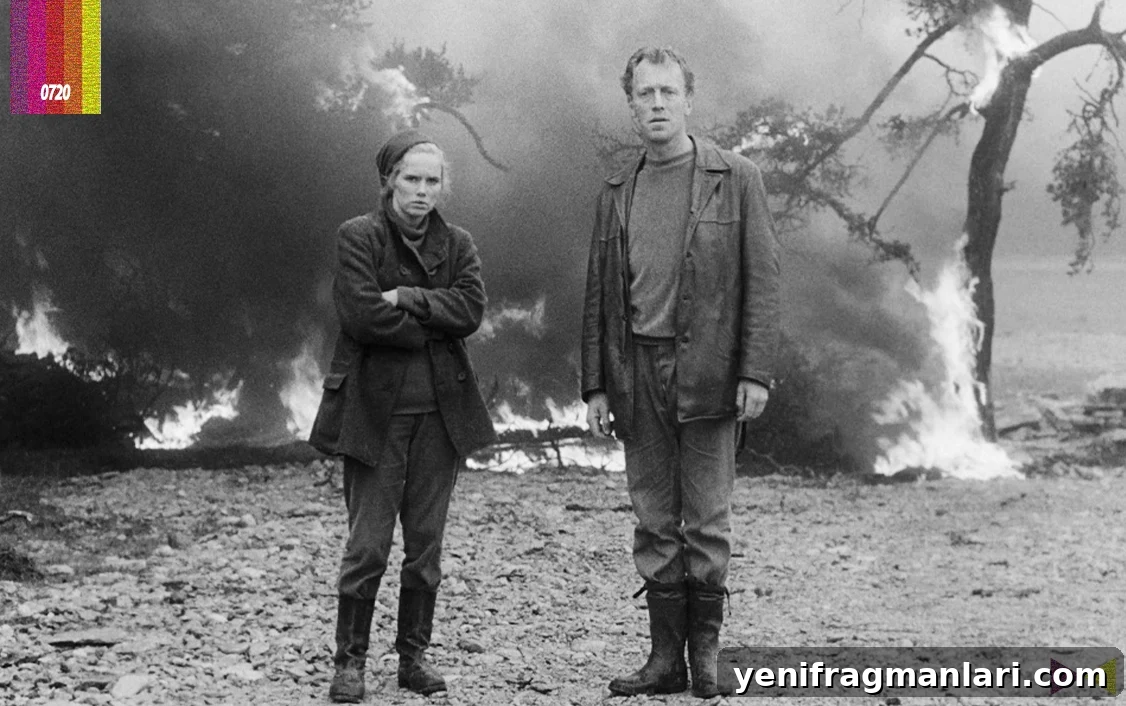
Ingmar Bergman’s work is full of masterpieces—The Seventh Seal and Persona among them—but I find the middle entry of his “island trilogy,” Shame, to be his most powerful. Set on an unnamed island during an unnamed conflict, the film centers on Jan (Max von Sydow) and Eva (Liv Ullmann), a married couple whose lives unravel as war encroaches and violence escalates.
Bergman constructs an atmosphere of relentless tension, using austere cinematography, long takes, and intimate close-ups to heighten emotional intensity. The performances by von Sydow and Ullmann are raw and devastating, conveying the moral erosion and psychological strain caused by war. Shame is a harrowing and unforgettable depiction of how conflict corrodes the human spirit.
6. High and Low (1963)
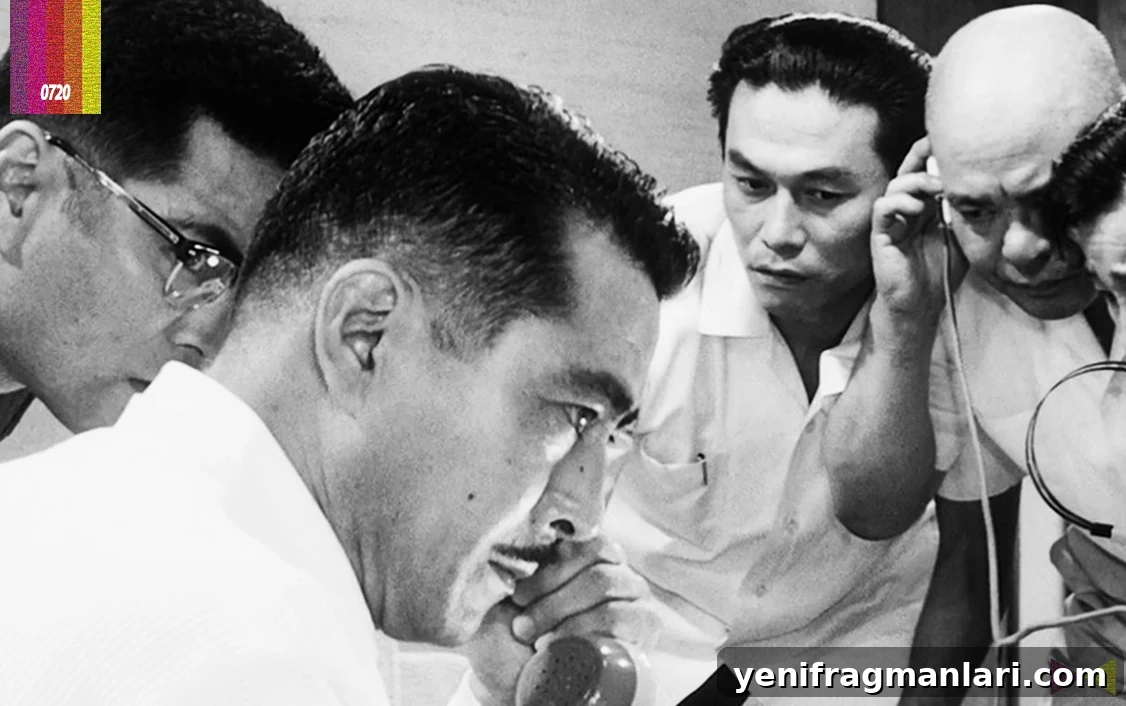
Akira Kurosawa is widely celebrated for his samurai epics, but he proved equally masterful in contemporary dramas and thrillers. High and Low follows a wealthy executive, played by Toshiro Mifune, who faces a moral and financial dilemma when his chauffeur’s son is kidnapped and a ransom demand arrives.
Kurosawa crafts an impeccably structured three-act narrative that never wastes a beat. The film is both a taut detective story and a thoughtful study of class division, contrasting the privileges of the rich with the struggles of the poor. The final confrontation is devastating, anchored by exceptional performances—particularly Tsutomu Yamazaki’s—which prompted Kurosawa to reshape the film’s ending around that scene. For its precision of form and emotional weight, High and Low narrowly surpasses other Kurosawa greats in my estimation.
5. Memories of Murder (2003)
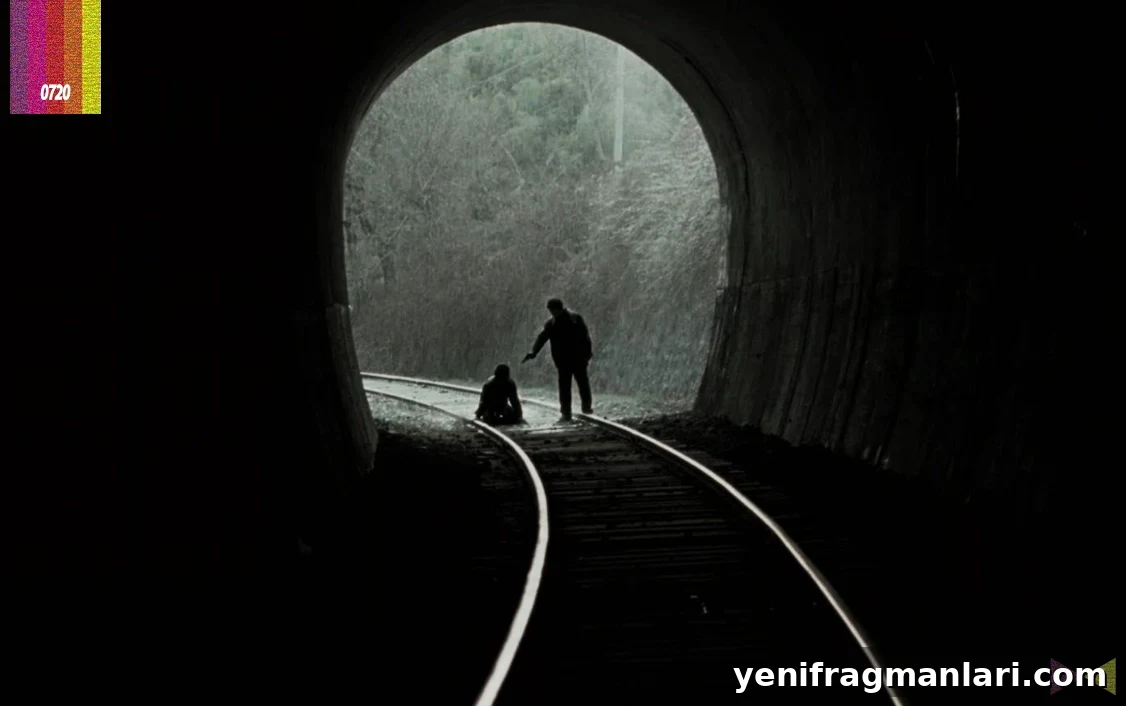
Memories of Murder is Bong Joon-ho’s searing crime drama based on South Korea’s first recorded serial murders in the 1980s. It follows two detectives in a rural region as they race to solve a series of brutal crimes. While Bong’s later film Parasite brought him global fame, this film remains his definitive masterpiece for many viewers.
The film excels in character work: the detectives, portrayed by Song Kang-ho and Kim Sang-kyung, are flawed and deeply human, struggling with inept systems and the limits of their own understanding. Bong balances suspense, dark humour, and social observation, capturing the oppressive atmosphere of a community under threat. The final shot lingers in the mind long after the credits roll—an unsettling, resonant conclusion to a haunting film.
4. The Godfather (1972)
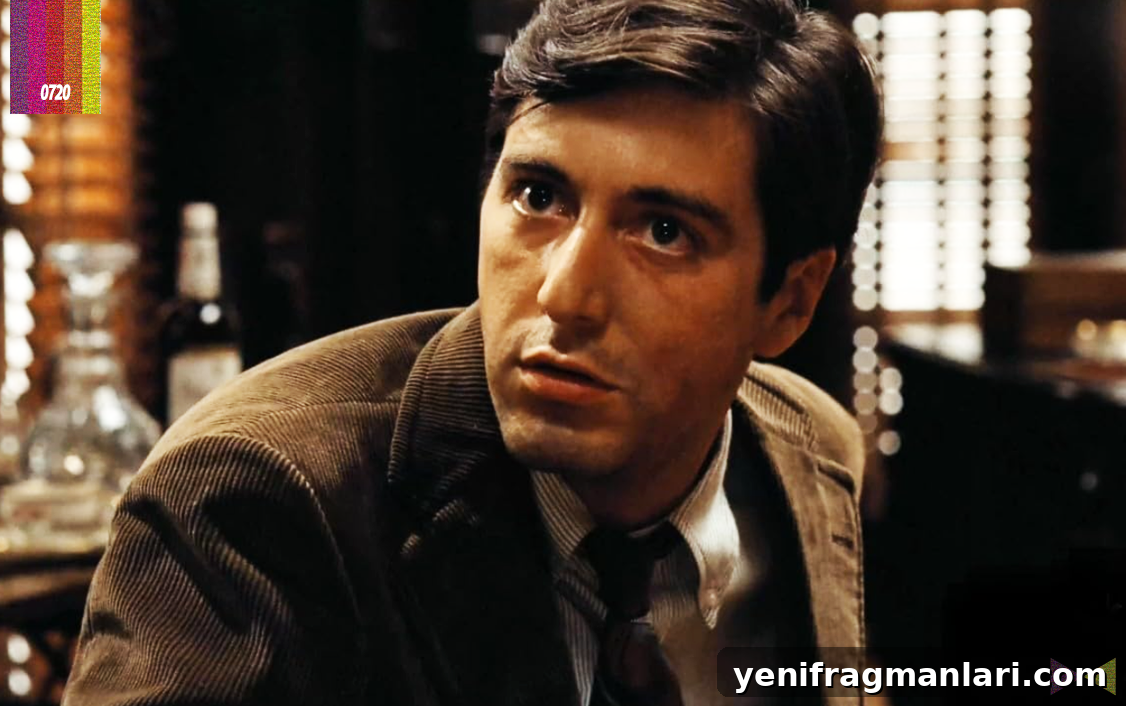
Francis Ford Coppola’s The Godfather needs little introduction. The film chronicles the Corleone family and the shifting fate of its patriarch, Vito Corleone (Marlon Brando), and his son Michael (Al Pacino). Its impact on film and culture is immense, and its themes of power, family, and betrayal are fundamentally Shakespearean.
Coppola’s patient pacing and controlled tension build a sense of latent menace that erupts in moments both brutal and emotionally charged. Brando’s commanding presence and Pacino’s gradual, terrifying transformation from reluctant outsider to ruthless leader rank among cinema’s greatest performances. Gordon Willis’s shadow-rich cinematography and the film’s precise design combine to create an enduring work of art that remains essential viewing more than half a century later.
3. Children of Men (2007)
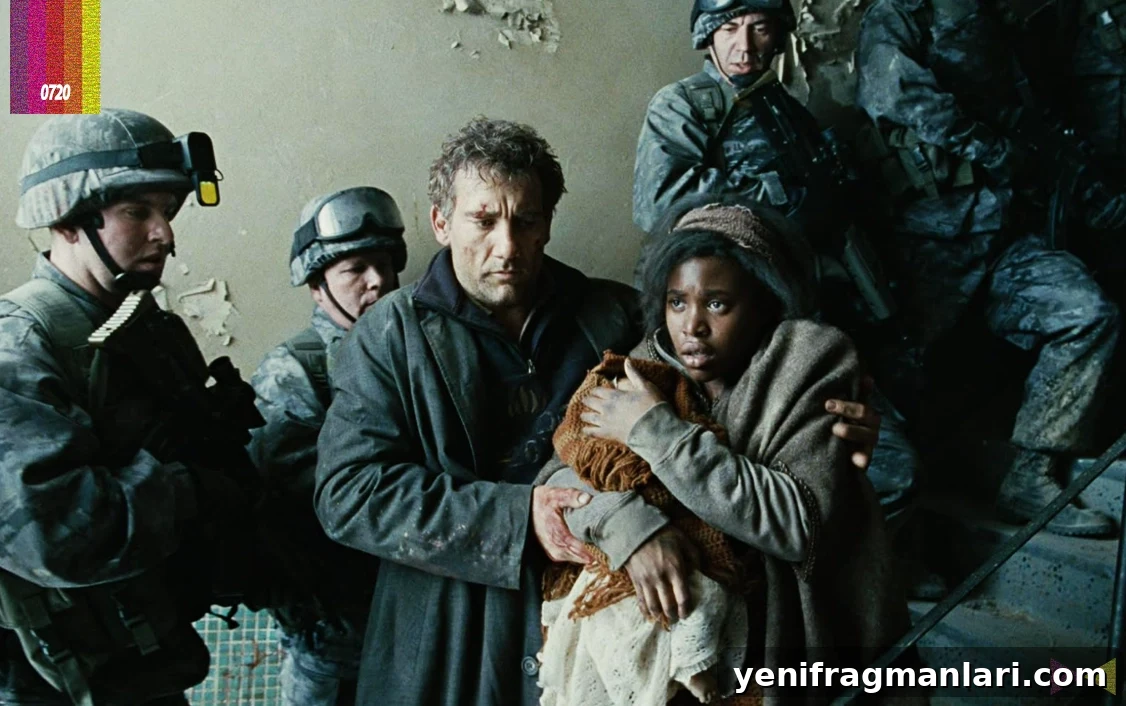
Alfonso Cuarón’s Children of Men imagines 2027, a world crippled by global infertility and social collapse. Clive Owen plays Theo, a disillusioned former activist who becomes the unlikely guardian of a miraculously pregnant woman and the hope she represents.
Cuarón’s direction is technically breathtaking: long, immersive takes and precise camera choreography put viewers inside the chaos and peril of the film’s world. Action sequences—an intense car chase, the tense siege of a refugee camp—are staged with visceral realism and emotional clarity. Despite its bleak premise, the film ultimately feels like an act of faith—a moving exploration of hope, endurance, and human connection that lingers long after viewing.
2. 2001: A Space Odyssey (1968)
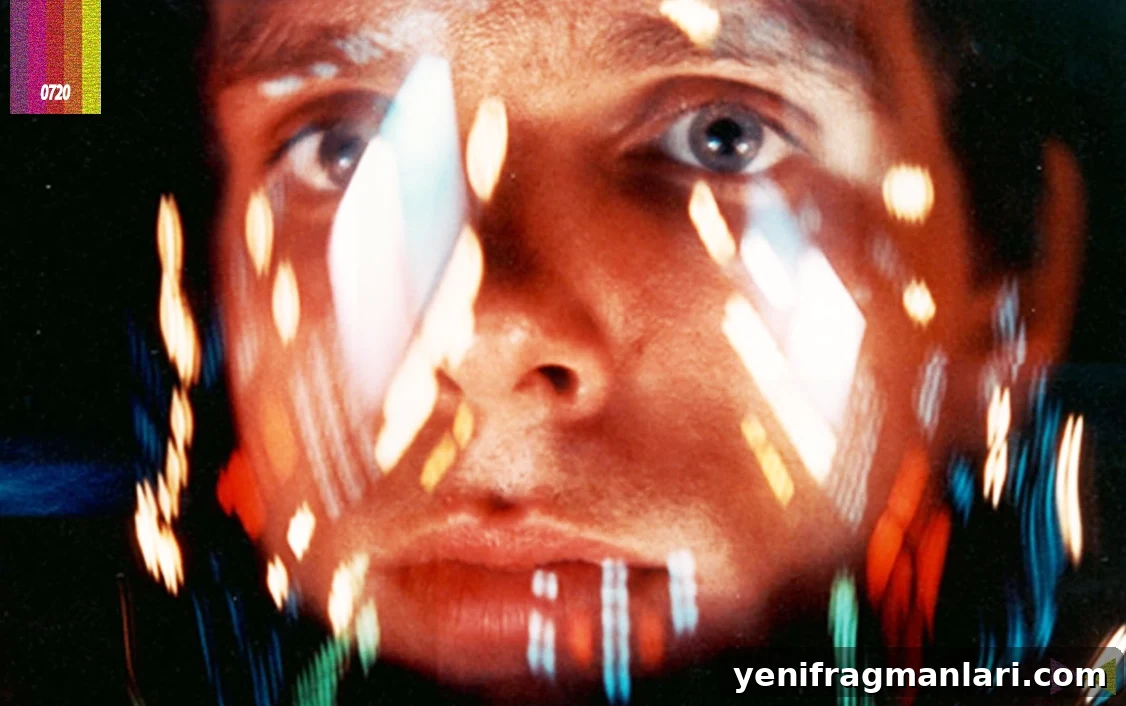
Stanley Kubrick’s landmark sci-fi epic follows a voyage to Jupiter to investigate an alien monolith discovered on the moon, accompanied by the sentient computer HAL. HAL’s gradual unraveling is chilling, and Kubrick’s meticulous control of tone and detail makes the threat all the more compelling.
Even decades after its release, the film’s visual effects remain astonishingly convincing, a testament to Kubrick’s obsessive craft. His use of silence, classical music, and bold visual storytelling yields a hypnotic, transcendent experience. 2001: A Space Odyssey is as much a philosophical meditation on evolution, consciousness, and technology as it is a cinematic spectacle—one of the rare films that continues to reward repeated viewings with fresh insights.
1. The Graduate (1967)
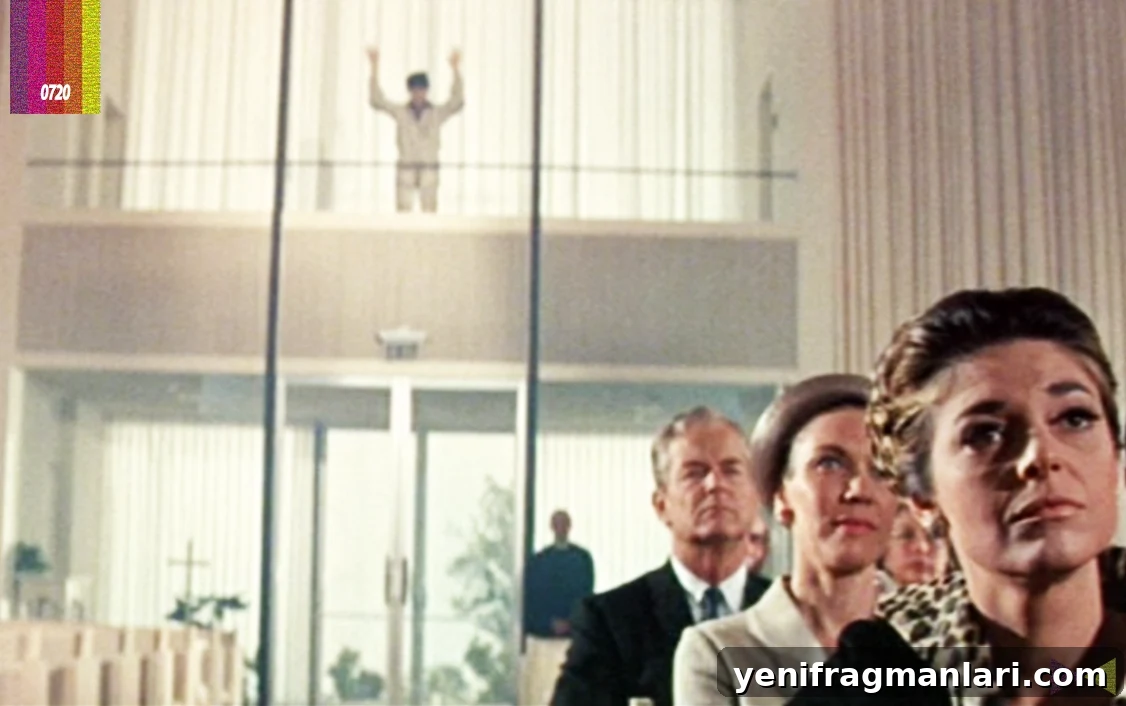
The story of The Graduate endures because its themes—youthful uncertainty, personal identity, and social expectation—remain universally relevant. Dustin Hoffman’s Benjamin Braddock is adrift after college, seduced by the older Mrs. Robinson (Anne Bancroft), and later entangled in a complicated romance with her daughter Elaine (Katharine Ross).
Beyond personal affection for the film, it holds strong artistic credentials. Hoffman’s nuanced performance captures Benjamin’s aimless anxieties and simmering rebellion; Bancroft’s Mrs. Robinson is a complex and unforgettable portrait of desire and vulnerability. Mike Nichols’s inventive direction—unconventional framing, precise editing, and bold sound choices—creates a fresh cinematic voice. The use of Simon & Garfunkel’s music provides a perfect emotional counterpoint, and the final sequence remains one of cinema’s most ambiguous and affecting endings. For me, the film’s combination of craft, cultural resonance, and emotional truth makes it a fitting top pick.
The Graduate remains a masterpiece that continues to resonate more than fifty years after its release.