
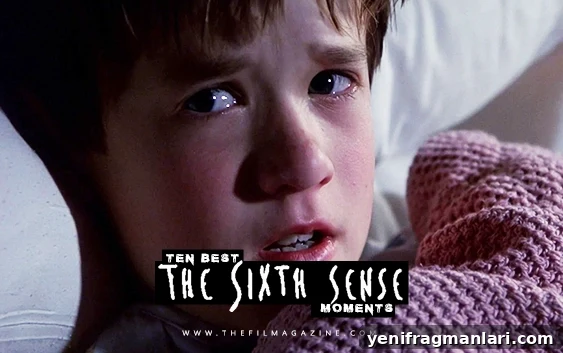
Boasting one of the most quoted lines in modern cinema and an unforgettable final twist, The Sixth Sense remains a powerful contemporary take on the classic ghost story more than two decades after its release. Directed by M. Night Shyamalan and released in 1999, the supernatural horror film launched Shyamalan into the spotlight, establishing his skill at building suspense and emotionally resonant storytelling.
The story follows child psychologist Dr. Malcolm Crowe (Bruce Willis), who, after being shot by a former patient, becomes consumed by the memory of a child he could not help. That guilt brings him to Cole Sear (Haley Joel Osment), a troubled nine-year-old whose behavior and fear echo the patient Malcolm failed to save. Cole harbors a terrifying secret: he is visited by ghosts who remain attached to unresolved problems from their lives. As the film unfolds, both Malcolm and Cole learn to accept what cannot be explained and to find closure. Eerie, tender, and often heartbreaking, the film has become a modern classic and earned a place among the most influential American films of its era.
Below are ten standout moments from The Sixth Sense — scenes that are beautiful, disturbing, clever, and deeply affecting. These selections highlight the film’s emotional core, its visual craft, and the performances that anchor its supernatural premise.
10. One Step Forward, Two Steps Back
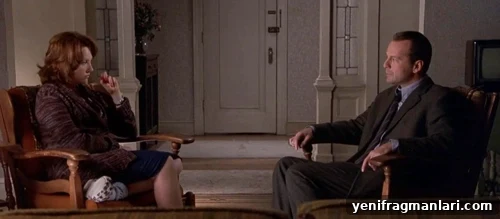
Early in their relationship, Malcolm proposes a mind-reading game to coax Cole into talking: when Malcolm guesses correctly, Cole will step forward; when he’s wrong, Cole will step back. The exercise reveals more than a test of perception — it exposes the fragile trust between therapist and child. Visual choices such as camera angles at Cole’s eye level, close-ups of his feet as he steps, and point-of-view shots that retreat as Cole withdraws all emphasize how guarded the boy is. The scene establishes both the emotional distance Malcolm must bridge and the delicate negotiations required to earn Cole’s confidence.
9. Cole’s Childhood Photos
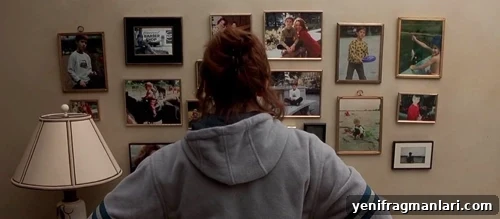
A quiet domestic moment gains ominous meaning when Cole’s mother, Lynn (Toni Collette), pauses to study his childhood photographs and notices small light flares near his image. For viewers familiar with spirit photography, such orbs suggest a supernatural presence. The sequence layers subtle cinematic cues — a sudden chill implied by Lynn’s hoodie and thermostat adjustment, the cut from pop music to a more haunting score, and visual emphasis on the photos — to signal that the ordinary world overlaps with the uncanny in Cole’s life.
8. ‘Stuttering Stanley’
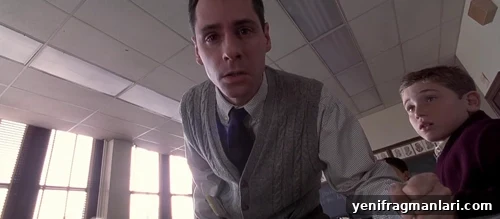
During a tense classroom exchange, Cole publicly humiliates his teacher by naming an old classmate’s speech impediment. The teacher’s reaction escalates to anger and physical intimidation. The scene captures how Cole’s experiences with the supernatural have damaged his social confidence: close-ups on Cole’s face and mouth heighten his agitation, while extreme angles and a fish-eye lens amplify the teacher’s threat. It’s a vital sequence that makes clear how urgently Cole needs help.
7. Cole and Malcolm’s Final Scene
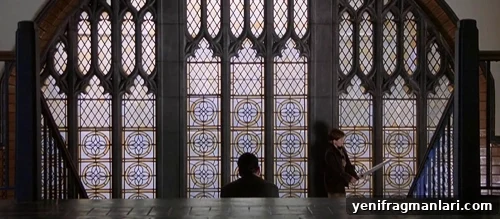
After a triumphant school play, Cole and Malcolm share a quiet, bittersweet goodbye. Cole recognizes he won’t see Malcolm again — he has learned to live with his gift — and the two men, bonded like father and son, part with melancholic acceptance. Stained-glass light and sun-drenched interiors in the scene visually reinforce that both characters have emerged from darkness into a place of healing.
6. Hanging Ghosts
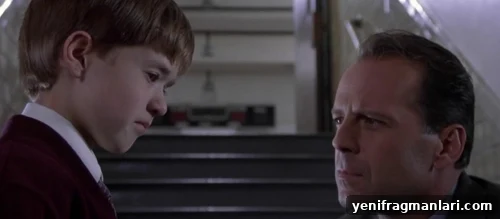
Walking after another school event, Cole suddenly freezes. A jarring cut reveals three ghosts hanging in an adjacent stairwell — a shocking image Malcolm does not perceive. Cole’s spoken description of how a ghost’s presence is felt — cold air, raised hairs, an uncanny shiver — is delivered with chilling clarity by Haley Joel Osment. The combination of a sudden visual reveal, a sharp orchestral sting, and a tense long take that follows heightens the scene’s horror and showcases Osment’s remarkable performance.
5. Cole Helps Kyra
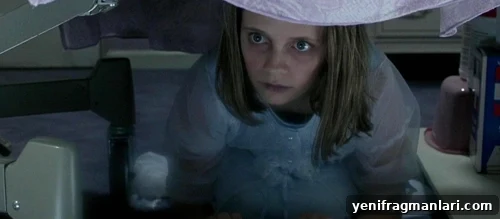
Cole’s encounter with the ghost Kyra Collins leads to a crucial act of revelation. After receiving a mysterious box from Kyra’s spirit, Cole delivers it to her father. Inside is a VHS tape that reveals Kyra’s death was caused intentionally by her mother. The resulting confrontation at the funeral exposes a tragic truth, frees Kyra’s spirit, and prevents further harm to her sister. The editing here — cutting between the videotape and the father’s reaction — lets us experience discovery alongside the characters, turning revelation into a profoundly emotional moment.
4. Malcolm’s Old Therapy Tapes
Skeptical at first when Cole reveals his ability, Malcolm returns home and listens to old therapy tapes of his former patient, Vincent. As he increases the volume, he hears evidence that Vincent may have seen the same things Cole describes. Bruce Willis’s performance — a slow shift from doubt to shocked recognition — is captured in a long-close-up that marks a turning point: Malcolm finally believes Cole and can begin to help him where he once failed.
3. Cole Is Ready to Communicate
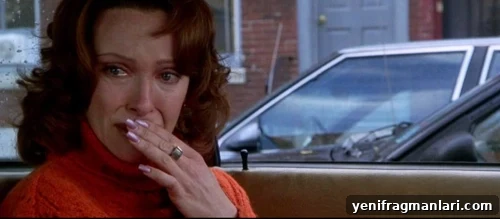
Near the film’s end, Cole chooses to open up to his mother. Stuck in traffic, he tells her about a woman who died in an accident and reveals that the woman is standing beside his window. He then passes along a message from Lynn’s late mother. This moment resolves their strained relationship: Lynn finally understands Cole’s experience, and Cole learns he can rely on her support. Notably, the scene avoids jump-scare techniques or ominous scoring, signaling that these revelations are meant to bring comfort rather than fear.
2. “I See Dead People”
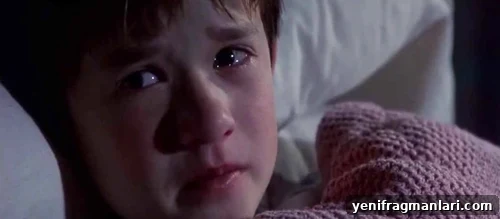
Possibly the most famous line from the film, “I see dead people,” arrives when Cole finally confides in Malcolm from his hospital bed. The moment is quiet and intimate: the camera slowly tracks closer as Cole whispers the truth about seeing ghosts everywhere. The line crystallizes the movie’s premise and instantly lodged itself in popular culture, while also deepening the emotional bond between therapist and child.
1. The Plot Twist
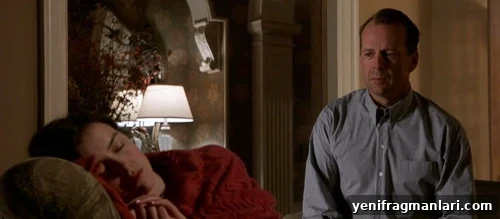
The film’s final revelation—when Malcolm discovers he is dead—remains one of cinema’s most discussed plot twists. The sequence assembles subtle clues planted throughout the story and, through carefully chosen flashbacks, allows both Malcolm and the audience to piece together the truth simultaneously. That culminating moment transforms the narrative, reframing earlier scenes and rewarding viewers who appreciate meticulous storytelling. Beyond shock value, the twist also completes Malcolm’s emotional arc: by helping Cole, he enables his own release and allows his wife to heal.
The Sixth Sense endures as one of the defining supernatural films of its era — a deeply human ghost story built on strong performances, precise direction, and emotional truth. Which scenes resonated most with you? Share your favorite moments and interpretations to continue the conversation about this influential film.