One Life (2023)
Director: James Hawes
Screenwriters: Lucinda Coxon, Nick Drake
Starring: Anthony Hopkins, Helena Bonham Carter, Johnny Flynn, Ramola Garai, Jonathan Pryce, Lena Olin
The new BBC Film production One Life tells the story of Nicholas Winton, the British stockbroker who organised the evacuation of hundreds of children from Czechoslovakia on the eve of the Second World War. The film places a quiet, human face on a monumental act of compassion, drawing attention to the ways ordinary people made extraordinary choices in dark times. It is a restrained, intimate biopic that leans on performance and feeling more than spectacle.
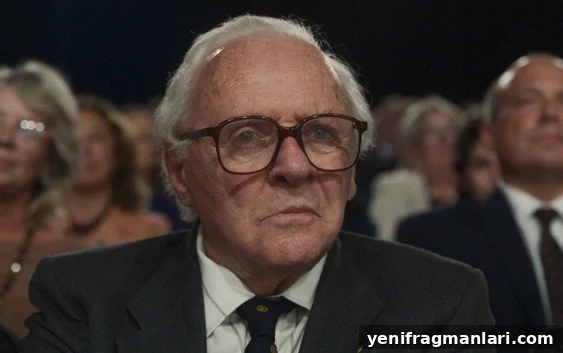
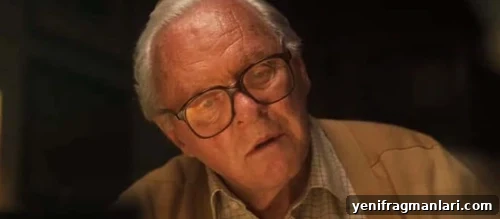
Casting Sir Anthony Hopkins as the older Nicholas Winton is a persuasive move. Hopkins brings a portrait of gentle resilience that echoes his later-career turns, conveying a man who is modest, steadfast and inward-looking rather than theatrical. Opposite him, Johnny Flynn portrays the younger Winton with a surprising physical resemblance and a low-key determination that pairs well with Hopkins’s measured dignity. Their combined presence gives the narrative continuity across decades and reinforces the film’s central idea: the same moral impulse persists, even as time passes and the world changes.
Director James Hawes, whose professional background is rooted primarily in television, guides the movie with the sensibilities of a seasoned TV filmmaker. The production values and scope sometimes feel like an upscale television drama rather than a sweeping cinematic epic, but that approach suits the material. Hawes focuses on intimate interactions and practical details—the paperwork, the letters, the small acts of persuasion—that make the rescue operation feel tangible. The film avoids graphic depictions of wartime atrocity for the most part, reserving harsher imagery for specific, necessary moments. This restraint keeps the emotional focus on the people involved and the moral weight of their choices.
Technically the film is solid. Editing keeps the narrative moving, and certain scenes—such as the sequence in which Helena Bonham Carter’s character and Winton assemble and post letters appealing for foster homes—use crisp pacing to communicate urgency and grassroots effort. At times the film’s construction is less refined: a handful of exchanges in the latter act rely on quick two-camera setups that feel slightly rushed and undercut the otherwise careful tonal control.
One notable aspect of the film is the near-uniformly heroic presentation of Winton. The screenplay and production rarely show him in doubt, or allow him visible moral ambiguity. While this reverent portrayal honors his real-life achievements, it can also flatten the complexity of a human life. A small crack or moment of vulnerability would have enriched the character and emphasized that heroism often coexists with ordinary flaws. It is worth noting that the production had links to Winton’s family, which may explain the protective, celebratory tone.
Another important point is the film’s distribution of credit. One Life rightly highlights Winton’s leadership, but the historical record shows that many people—helpers, organisers and local allies—played critical and dangerous roles in the rescue effort. The film gestures toward that collective involvement, but its narrative center remains Winton. Audiences should watch with an appreciation for the broader network of courage and solidarity that made such rescues possible.
Where the film succeeds best is in its emotional final act. The storytelling culminates in a sequence designed to deliver a profound human response: recognition, reunion and the quiet aftermath of long-hidden deeds. Those closing moments are powerful precisely because the film has spent most of its running time attending to modest, human-scale details. When the film finally expands into a public revelation of Winton’s work, the contrast between the private and public spheres feels earned and moving.
Conclusion: One Life is a thoughtful, warmly performed biopic that sacrifices some complexity in favor of reverent tribute. Its strengths lie in performance, restraint and a focus on human connection. For viewers seeking a dignified, emotionally resonant drama about courage and compassion, the film delivers meaningful rewards, even if it stops short of deep historical reappraisal.
Score: 18/24