
This article was written exclusively for The Film Magazine by Angel Lloyd.
Billy Elliot (2000)
Director: Stephen Daldry
Screenwriter: Lee Hall
Starring: Jamie Bell, Julie Walters, Gary Lewis, Jean Heywood, Jamie Draven, Stuart Wells
Billy Elliot celebrated its twentieth anniversary not long ago, yet its portrait of England’s North East still resonates with the same emotional power it held on release. Where many films set in the region lean into bleakness, this story balances tenderness, humour and outrage while refusing to sentimentalize hardship. Stephen Daldry’s film finds warmth amid the rubble of a mining community struggling through the 1984–85 miners’ strike, and it’s that careful equilibrium between pain and hope that has kept the film beloved by audiences at home and abroad.
Set in a Durham mining town, the film follows eleven-year-old Billy, who discovers ballet after a humiliating defeat in a youth boxing match. Dance quickly becomes Billy’s escape: a private refuge where his anger and grief are transformed into focus and grace. His family life is strained by the strike—his older brother Tony and father Jackie are directly affected—and the political unrest bleeds into everyday existence. Small, telling details—a classmate running a stick along riot shields, policemen idly tossing a ball outside the house—illustrate how the strike has become part of the town’s texture, sometimes absurd, often menacing.
Because much of the film is filtered through Billy’s point of view, the violent clashes on the picket lines feel especially jarring. When police horses cut down a line of strikers and Tony is chased, the scene is heartbreaking: Billy shouts for his brother to stop as white sheets tangle and then stain with blood. The sequence is driven by The Clash’s “London Calling,” which acts like a raw, angry refrain underscoring the sense of injustice that fuels the town’s unrest.
The emotional wounds left by the miners’ strike are still visible in many communities, a fact the film captures without preaching. One of the most wrenching moments arrives when Tony begs his father not to return to work. Jackie’s eventual decision—to sacrifice his dignity so Billy might pursue his dream—feels like a betrayal of self born from desperation. The choice is devastating to witness, and it underlines how structural hardship forces impossible personal compromises.
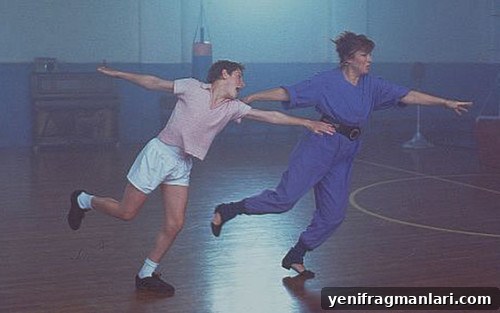
Opposing and matching that hardship is the kinetic joy of the dance scenes. Once Billy starts training, he moves with the fierce energy of a child discovering a new language. The choreography and editing are brisk and alive, blending classical music with rock influences to convey Billy’s restless curiosity and ambition. These sequences are not only technically satisfying—they function emotionally, showing how art can become a lifeline during turbulent times.
The film’s exploration of acceptance extends beyond Billy’s dance. His friendship with Michael—quiet, affectionate, and unselfconscious—offers a gentle depiction of a boy coming to terms with his identity in a place where conformity is expected. Michael’s struggle to conceal his sexuality is treated with compassion; their bond is tender and uncomplicated, offering a counterpoint to the adults’ entangled resentments and fears. Equally poignant is the recurring comment from Billy’s grandmother, who says she might have become a professional dancer if she’d had the chance. Her line quietly reminds the viewer of missed possibilities—lives limited by circumstance, time, and place—that young Billy might yet transcend.
While the North East is portrayed as a place Billy might need to leave in order to thrive, the film is also a tribute to community resilience. It honours the memory of a divisive period in British history without reducing the miners or their neighbours to caricature. And although the backdrop is heavy and often bleak, the film’s lighter moments—its warmth and humour—make the triumphs feel earned rather than facile.
The balance of anger, tenderness and comic relief makes Billy Elliot a film that still uplifts. It treats its young hero with respect, acknowledges the real cost of economic and social upheaval, and celebrates the stubborn joy of finding one’s true voice. In short: when in doubt, dance—and let that movement be a testament to resilience.
20/24
Written by Angel Lloyd
You can support Angel Lloyd in the following places:
Screen QueensAuthor Profile