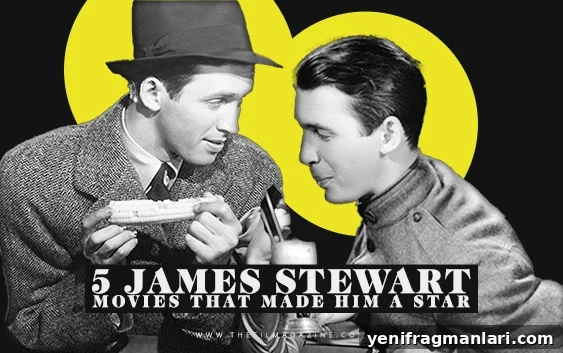
James Stewart was Hollywood’s golden boy in its early years, rising to stardom with a gentle charm that felt instantly familiar. A subtle eyebrow, a small glint in the eye—he could provoke laughter or bring an audience to tears. He remained beloved because he felt like one of us: relatable, principled, and quietly heroic. In an era marked by war and economic uncertainty, Stewart’s characters embodied the steadfast, everyday American who stood up for what he believed in.
Stewart’s career coincided with a transformative period in cinema. The industry moved from silent pictures to vibrant sound films, and with that shift came new genres and new emotional possibilities. Audiences embraced screwball comedies, musicals, and socially conscious dramas. Actors like Stewart helped define this transition, bringing warmth, nuance, and human authenticity to films that would become cinematic touchstones.
He found particular success in two contrasting genres: romantic comedies and wartime dramas. In romantic roles he was often the earnest, slightly awkward lover—completely devoted, sincere and tender. In war films and politically charged dramas he transformed into a determined, principled figure willing to confront injustice. That range—boyish vulnerability and moral courage—made Stewart uniquely compelling. Here are five films that helped cement his star status: 5 James Stewart Movies That Made Him a Star.
1. Vivacious Lady (1938)
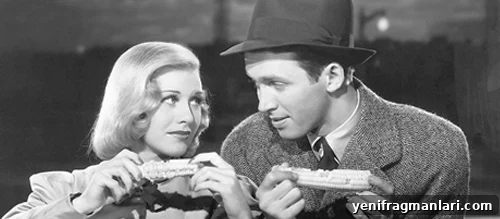
Vivacious Lady, directed by George Stevens, pairs Stewart with Ginger Rogers in a screwball romantic comedy. Rogers plays Frances “Francey” and Stewart is Professor Peter Morgan Jr. After a whirlwind romance leads to an elopement, the newlyweds must hide their marriage from Peter’s conservative parents. Francey is passed off as a student, and Peter struggles to balance his academic authority with his infatuation, producing both comedic and heartfelt moments.
The film helped showcase Stewart’s ability to blend comic timing with genuine romantic sensitivity. Critics praised his performance for its warmth and naturalness, and the movie received significant acclaim at the time. Stewart’s gentle, expressive eyes and sincere demeanor—qualities often noted by colleagues and critics alike—shine in this early rom-com that contributed to his public persona as the lovable, earnest leading man.
2. The Shopworn Angel (1938)
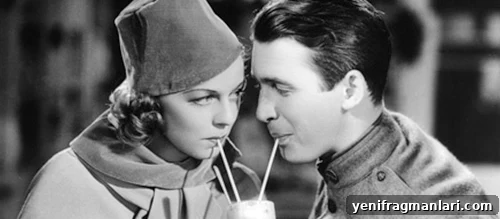
The Shopworn Angel, directed by H. C. Potter, blends romance, comedy and the looming shadow of war. Margaret Sullavan plays Daisy Heath, a weary actress, and Stewart is Bill “Texas” Pettigrew, a naive soldier who becomes smitten after a chance meeting. When Bill lies to his comrades about Daisy being his sweetheart, their relationship deepens amid the emotional uncertainty of wartime.
This version, released by MGM in 1938, heightened the emotional stakes of the earlier story. Stewart’s performance emphasizes youthful earnestness and the bittersweet reality of love touched by conflict. His chemistry with Sullavan—built from a longstanding professional friendship—adds poignancy to the film and helped reinforce Stewart’s appeal as both a romantic and tragic screen presence.
3. The Shop Around the Corner (1940)
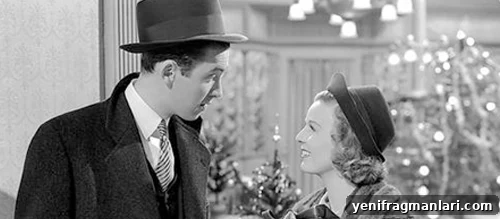
Directed by Ernst Lubitsch, The Shop Around the Corner is a tender romantic comedy set in a Budapest gift shop. Stewart plays Alfred Kralic, a seasoned clerk who writes heartfelt letters to a mysterious pen pal. Margaret Sullavan’s Klara Novak joins the shop and clashes with Alfred—unaware that she is the very correspondent he adores. The film explores misunderstandings, workplace dynamics and the quiet, profound discovery of love.
Lubitsch’s economical, graceful direction allowed the characters and their emotions to take center stage. Stewart’s portrayal of Alfred—sensitive, honorable and awkward in love—was a defining performance. The movie remains a classic of romantic storytelling and played a major role in solidifying Stewart’s image as a sympathetic and deeply felt leading man.
4. The Mortal Storm (1940)
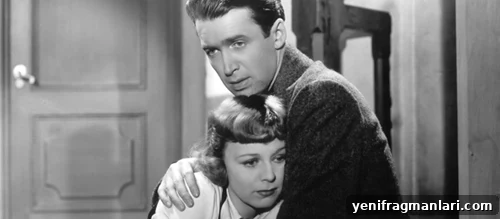
Frank Borzage’s The Mortal Storm is an early and powerful anti-Nazi drama released before America entered World War II. Set in a university town in the German Alps, the film follows the Roth family as political changes tear friendships and loyalties apart. Stewart plays Martin Breitner, a family friend who witnesses the destructive effects of rising extremist ideology on everyday lives.
This film revealed another dimension of Stewart’s range: the principled, outspoken citizen confronting injustice. Critics recognized the movie’s urgency and impact, and its bold stance made it controversial abroad. Stewart’s performance conveyed righteous anger and quiet courage, demonstrating that cinema could be both artful and politically meaningful. The role helped reposition him as an actor capable of serious, socially engaged drama.
5. Come Live with Me (1941)
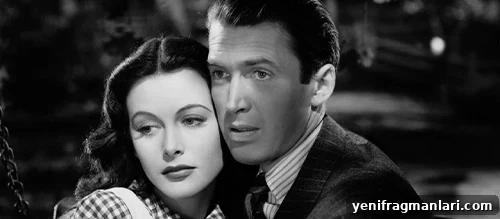
Come Live with Me, directed by Clarence Brown, is an unconventional romantic comedy that pairs Stewart with Hedy Lamarr. Lamarr plays Johnny, a Viennese refugee who needs to marry a U.S. citizen to stay in the country. Stewart is Bill Smith, a struggling writer who agrees to a practical, temporary marriage. As the arrangement evolves, Bill finds himself falling genuinely in love.
Released on the brink of Stewart’s enlistment in the military, this film represents the end of an early chapter in his career. His portrayal of Bill—proud yet soft, a poet at heart—showcases the qualities that endeared him to audiences: authenticity, humility and emotional depth. The movie stands as one of his final great romantic leads before the war shifted his trajectory toward more somber and complex roles.
Across these five films, James Stewart demonstrated a remarkable versatility: the capacity to be comically awkward, profoundly tender, and morally resolute. He helped usher in a new era of American cinema and provided audiences with characters who felt rooted in everyday truth. His willingness to show vulnerability and conviction made him an enduring figure on screen. Decades later, Stewart’s influence endures—his performances continue to move viewers and his legacy remains a bright thread in the history of film.
Written by Bella Madge
You can support Bella in the following places:
Substack: BellaWatchesFilms
Instagram: @bellawatchesfilms
TikTok: @bellawatchesfilms
Picturehouse Fresh Takes: Name Me Lawand Review