
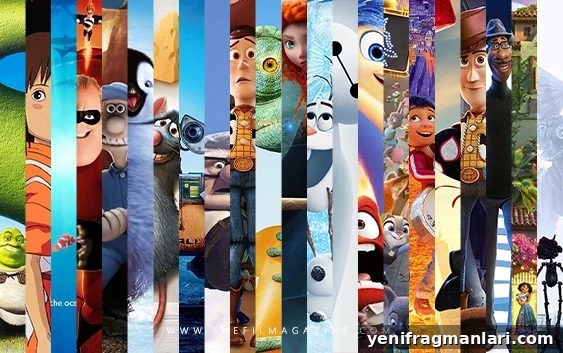
Created in 2001 by the Academy of Motion Picture Arts and Sciences to expand which films could realistically compete for Oscars, the Best Animated Feature category sought to recognize a broader range of animation. Prior to this, only Beauty and the Beast had received a nomination in 1992 and Walt Disney himself had been honored separately. Since its inception, however, the award has largely been dominated by a handful of studios producing computer-generated animation—particularly Pixar, Disney, and DreamWorks—while studios favoring traditional techniques like hand-drawn or stop-motion animation, such as Laika and Cartoon Saloon, have been less frequently victorious.
Below is The Film Magazine’s Ranked list of every Best Animated Feature Oscar winner, placed from least to most accomplished. Each entry evaluates artistic achievement, importance to the medium, cultural relevance, and lasting impression. Occasional mentions highlight notable, risk-taking animated films from each year that missed out on the prize. These are the Best Animated Feature Oscar Winners Ranked.
Follow @thefilmagazine on X (Twitter).
22. Happy Feet (2006)

A tone-deaf young penguin discovers he can’t sing like the rest of his colony but is gifted at tap-dancing. Directed by George Miller, known for the Mad Max films, Happy Feet is visually detailed and often resembles nature documentaries. While its animation and Antarctic setting are impressive, the narrative is straightforward and the soundtrack varies in quality.
21. Toy Story 4 (2019)
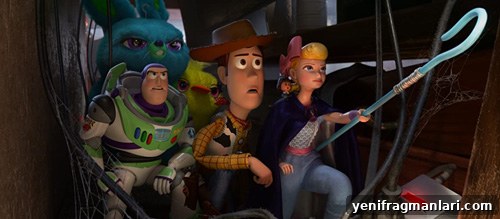
Woody, Buzz, and the gang embark on a road trip to help handmade toy Forky navigate an identity crisis. As a fourth installment, Toy Story 4 had the difficult task of following a near-perfect trilogy. It doesn’t surpass its predecessors, but it offers heartfelt moments, surprisingly dark humor at times, and the emotional warmth associated with the series.
20. Shrek (2001)
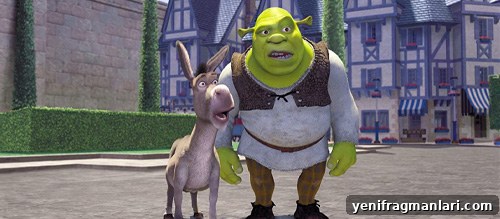
A solitary ogre and a loquacious donkey reluctantly team up to rescue a princess so the ogre can reclaim his swamp. Shrek shifted animated filmmaking away from Disney-style fairy-tale escapism toward sharper satire and self-aware humor. Its themes of self-acceptance and inventive visuals left a lasting influence on animated comedies.
19. Brave (2012)

Merida, a Scottish princess who rejects traditional expectations about marriage, seeks a witch’s help to change her fate—only to set off a chain of events that fracture her family. Brave is among Pixar’s less celebrated films but stands out for its strong protagonist and emotionally honest exploration of a mother-daughter relationship. Its structure can feel conventional, yet it offers warmth and lively characterization.
18. Frozen (2013)
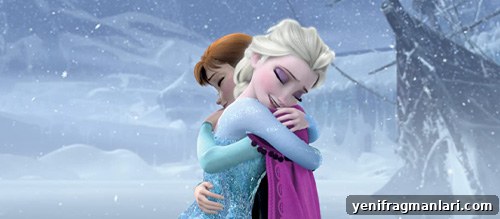
After developing uncontrollable ice powers, a princess flees her kingdom, prompting her younger sister to undertake a perilous journey to bring her back. Frozen’s exquisite animation, unforgettable songs, and focus on sisterly love helped it become a cultural phenomenon. Its choice to make unconditional love the bond between siblings rather than a romantic relationship remains a notable and refreshing angle in family storytelling.
17. Finding Nemo (2003)
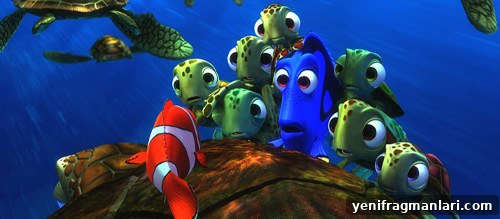
A neurotic single clownfish crosses an ocean to find his missing son, aided by a forgetful fish. Finding Nemo captures the anxiety of a parent’s worst fear in a vibrant underwater adventure. The expressive animation breathes life into aquatic characters, and the chemistry between Albert Brooks and Ellen DeGeneres anchors the film emotionally.
16. Up (2009)
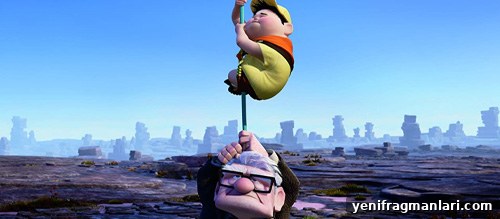
An elderly widower lifts his house with hundreds of balloons to travel to South America, accompanied by an eager Boy Scout and a distracted talking dog. Up is best remembered for its poignant opening montage that captures a lifetime of love and loss in silence. Although its final act leans into conventional adventure, the film’s heart, humor, and emotional clarity make it a standout.
15. Encanto (2021)
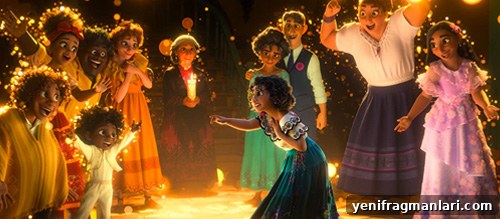
Mirabel, the lone member of the magical Madrigal family without a gift, sets out to save her home when the family’s power begins to fade. Encanto stands out for its vibrant character designs, compelling vocal performances, and Lin-Manuel Miranda’s memorable songs. It also gives a distinctive Latin American family story center stage and tackles themes like self-doubt, intergenerational trauma, and family secrets without relying on a conventional external villain.
14. Ratatouille (2007)
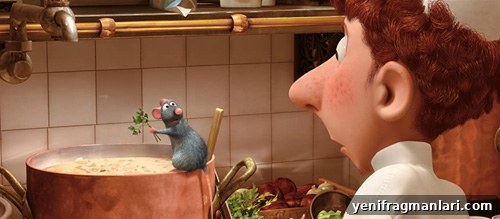
A rat with an exceptional palate dreams of becoming a chef and helps an awkward cook revive his career. Ratatouille makes food look irresistible and celebrates creative passion delivered via an unlikely hero. The central conceit—of a chef secretly guided by a rat—remains charming, and the film’s climactic critic moment is both satisfying and enduring.
13. Big Hero 6 (2014)
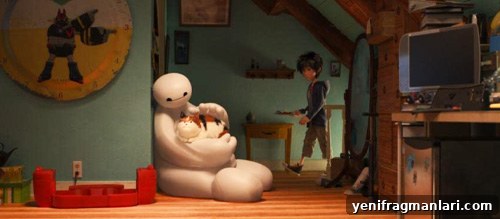
A grieving teenage inventor inherits an inflatable robot nurse and teams up with friends to confront a masked villain. Big Hero 6 blends superhero spectacle with an emotionally grounded exploration of grief and family. Baymax, the inflatable healthcare companion, quickly became one of animation’s most beloved characters, and the film balances bright action with heartfelt moments.
12. Rango (2011)
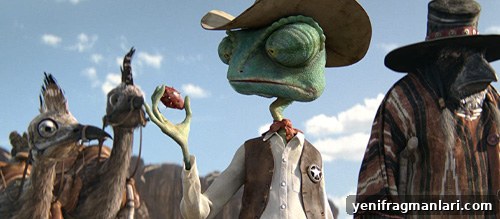
A pet chameleon escapes into the desert and assumes the role of a tough sheriff in a drought-stricken frontier town. Rango is a richly textured, genre-savvy animated Western with vivid production design and sharp satirical edge. Johnny Depp’s performance divides opinion, but Gore Verbinski’s film is a bold and cinematic departure from mainstream studio animation.
11. Soul (2020)

A jazz musician’s sudden death prompts a metaphysical journey where he evaluates his life’s purpose and attempts to return to his body. Soul is one of Pixar’s most mature films, addressing passion, identity, and the meaning of life through expressive animation that shifts styles between earthly realism and surreal, abstract sequences. It is notable for centering an African-American protagonist and for its inventive visual approach to existential themes.
10. Guillermo del Toro’s Pinocchio (2022)
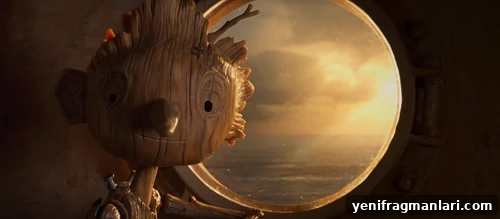
Guillermo del Toro reimagines Carlo Collodi’s tale as a darker, richly detailed stop-motion fairytale set in fascist Italy. This emotionally layered adaptation is filled with del Toro’s signature fantastical imagery and strong vocal performances. Its inventive ending and meticulous craft make it an outstanding example of stop-motion storytelling in the modern era.
9. Toy Story 3 (2010)
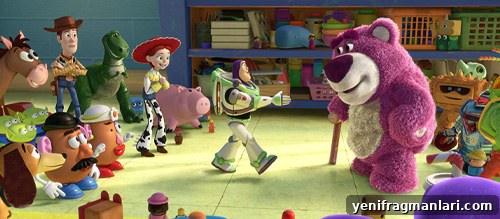
With their owner heading to college, Woody and the toys face an uncertain future and end up at Sunnyside Daycare. Toy Story 3 gives resonant, satisfying conclusions to long-running character arcs, reaching genuinely heartbreaking and courageous places. Its final incinerator sequence is one of animation’s most powerful moments, making the film a definitive emotional finale for the original saga.
8. Zootopia (2016)
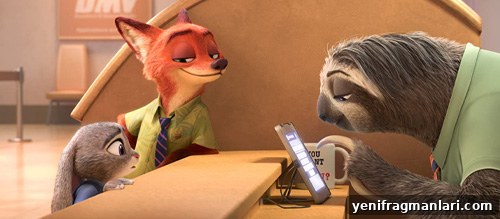
Judy Hopps, the first rabbit police officer in Zootopia, teams with con artist Nick Wilde to investigate why predators are reverting to violent behavior. Zootopia combines sharp social commentary on prejudice and stereotyping with clever comedy and striking world-building. Its bold metaphor about discrimination remains increasingly relevant.
7. The Incredibles (2004)
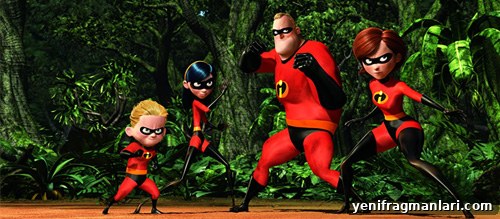
A family of retired superheroes returns to action when danger calls. Brad Bird’s homage to comic books and classic action cinema blends stylish 1950s futurist design, thrilling sequences, and genuine family drama. Memorable characters and a lively score combine to make The Incredibles a benchmark for animated superhero storytelling.
6. Inside Out (2015)
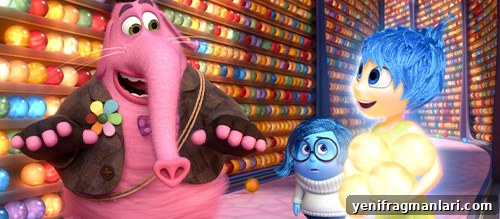
When young Riley moves to a new city, the emotions inside her head—Joy, Sadness, Anger, Fear, and Disgust—compete to shape who she becomes. Inside Out is a vividly imaginative exploration of emotional growth and the necessity of sadness for resilience. Its emotional weight, especially the loss of Bing Bong, lands powerfully for adult viewers and families alike.
5. Wallace and Gromit: The Curse of the Were-Rabbit (2005)
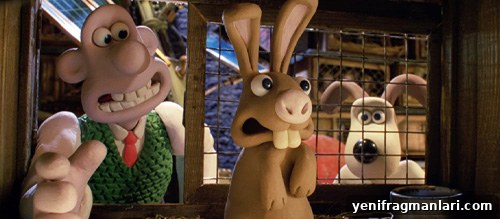
Inventor Wallace and his loyal dog Gromit run a humane pest-control service, only to face a monstrous rabbit menace during a giant vegetable competition. Aardman’s stop-motion charm, meticulous craftsmanship, and warm English humor make this film a delightful example of artisanal animation at its best.
4. WALL-E (2008)
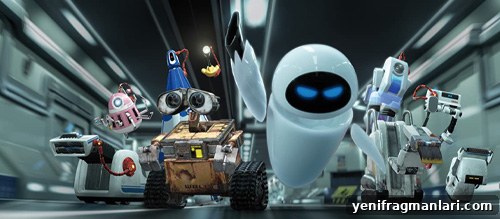
A lonely trash-compacting robot on an abandoned, polluted Earth falls for an advanced probe and is swept into a journey aboard a spaceship where humanity lives in passive comfort. WALL-E blends silent-film charm, romance, and sharp social satire about consumerism and technological dependence, evolving into an urgent cautionary tale with emotional resonance.
3. Spirited Away (2002)
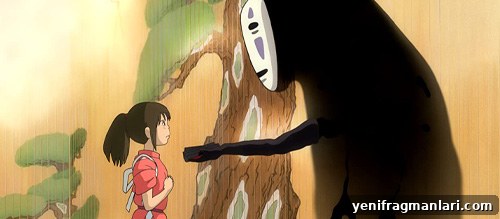
Chihiro becomes trapped in a spirit world and must work in a bathhouse to save her parents who have been transformed into pigs. Hayao Miyazaki’s surreal, Lewis Carroll–like masterpiece brought Studio Ghibli global acclaim. Its unforgettable imagery and dreamlike narrative make it a deeply affecting coming-of-age fantasy that stays with viewers long after the credits roll.
2. Coco (2017)
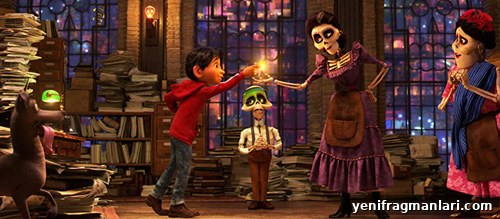
Young Miguel, forbidden from playing music by his family, is transported to the Land of the Dead where he uncovers family secrets and seeks to restore a forgotten ancestor’s place in the living world. Coco handles grief, memory, and cultural heritage with tenderness and joyous music, culminating in moments of profound emotional clarity anchored by memorable songs and vibrant visuals.
1. Spider-Man: Into the Spider-Verse (2018)
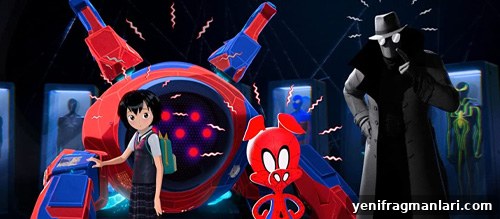
Teenager Miles Morales gains spider-like powers and meets alternate-universe Spider-heroes as his world’s Spider-Man is taken out of commission. Spider-Verse revolutionized the visual language of feature animation by making the film look and feel like a living comic book, complete with print textures, motion lines, and dynamic graphic devices. Beyond its stylistic innovations, it tells a heartfelt story about identity and the empowering idea that anyone can be a hero.
What do you think of this ranking of Best Animated Feature Oscar winners? Which animated film released in the 21st century do you consider the best? Share your thoughts in the comments. Updated to include Guillermo del Toro’s Pinocchio (1 February 2024). Originally published 4 March 2023.