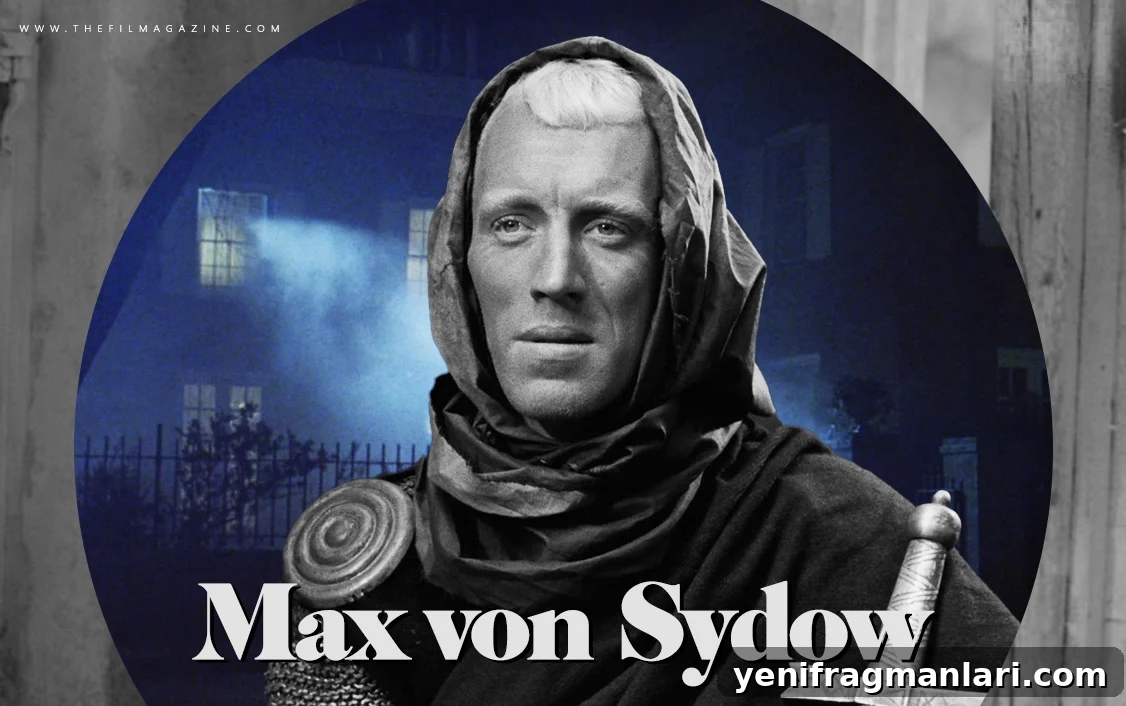
Certain performers become legends—actors whose presence elevates every production they join. Max von Sydow belongs to that rare class. Like the great Shakespearean actors before him, von Sydow brought an imposing, unforgettable authority to each role. Whenever he appears on screen, even briefly, the film world brightens and the history of cinema gains another indispensable moment.
Born Carl Adolf von Sydow in Lund, Sweden, in 1929 to a Swedish father and a French mother, he adopted the name Max early in life after a childhood curiosity sparked by a travelling flea circus. A chance viewing of A Midsummer Night’s Dream on a trip to Malmö ignited his passion for the stage. After a two-year stint in the army, where he took the name Max, he founded several amateur dramatic groups and later trained at the Royal Dramatic Theatre in Stockholm, where he developed the skills that would shape his long career.
Von Sydow began appearing in films in the early 1950s in the work of director Alf Sjöberg while continuing to perform on stage. That combined background in theatre and cinema gave him a versatility that carried through a prolific career. Over the decades he worked with many acclaimed directors and appeared in major international projects, from Ingmar Bergman’s intense Swedish films to American blockbusters in his later years. He earned numerous nominations from the Academy Awards, Golden Globes, and BAFTAs, and though he passed away in March 2020, his reputation as one of the all-time great actors remains intact.
Below are three defining performances that showcase Max von Sydow’s range, depth, and enduring influence on world cinema.
1. The Seventh Seal (1957)
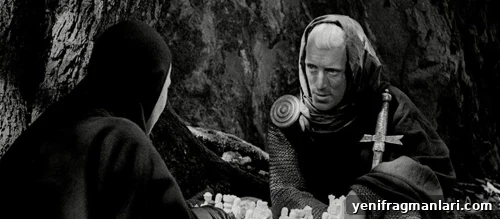
Max von Sydow’s collaboration with director Ingmar Bergman is one of cinema’s most celebrated actor-director partnerships. They worked together on eleven films, including Wild Strawberries and Through a Glass Darkly, but their masterpiece is widely considered to be The Seventh Seal. In this film von Sydow plays Antonios Block, a stoic medieval knight returning from the Crusades who encounters Death and challenges him to a game of chess. As long as the game progresses, Block is granted life; when it ends, Death will claim him.
The Seventh Seal is structured as a series of evocative vignettes that span comedy, terror, philosophical inquiry, and spiritual crisis. Von Sydow anchors the film with a restrained yet profoundly expressive performance. As Block, he embodies a man confronting theological doubt, existential dread, and the search for meaning. His internal struggle—expressed through subtle gestures, controlled silences, and sudden flashes of intensity—drives the film’s emotional core. The character’s arc, from questioning to quiet resolve, remains one of the most powerful journeys in Swedish cinema and in Bergman’s body of work.
Bergman’s direction and von Sydow’s performance are inseparable in the film’s lasting impact: the director’s vision and von Sydow’s presence together create a work that continues to resonate with audiences and scholars alike.
2. The Exorcist (1973)
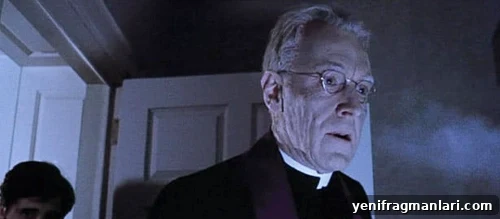
In English-language cinema, Max von Sydow is widely recognized for his role as Father Lankester Merrin in William Friedkin’s adaptation of William Peter Blatty’s novel, The Exorcist. Though his screen time in the film is limited compared with other central characters, his arrival in the story lends crucial weight and gravitas. The Exorcist was a cultural phenomenon—one of the first horror films nominated for Best Picture—and von Sydow’s portrayal helped cement its status.
Father Merrin appears late in the film and his calm, resolute dignity contrasts with the terrified chaos unfolding around the possessed girl, Regan. Von Sydow’s understated authority and spiritual conviction make the film’s climactic struggle between good and evil feel both intimate and epic. Paired with Jason Miller’s Father Karras, von Sydow contributes a moral center and quiet strength that elevates the film’s dramatic stakes and emotional resonance.
3. Pelle the Conqueror (1987)
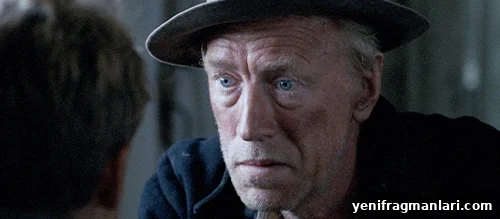
By the time Pelle the Conqueror was released in 1987, von Sydow was already an international figure, yet this film brought him his first Academy Award nomination. Directed by Bille August and adapted from Martin Andersen Nexø’s novel, the film won the Palme d’Or at Cannes and the Oscar for Best Foreign Language Film. Critics singled out von Sydow’s portrayal of Lasse Karlsson as a central reason for the film’s emotional power.
In Pelle the Conqueror, von Sydow plays a Swedish immigrant laborer who brings his young son, Pelle, to Denmark in search of a better life. The film follows the boy’s coming of age amid hardship, cruelty, and small triumphs, while Lasse’s quiet endurance and moral rigor shape his son’s development. Von Sydow balances tenderness, sorrow, and a hardened practicality in a performance that reveals his full emotional range. His Lasse contains echoes of previous roles—the stoic determination of Antonius Block and the gentle moral certainty of Father Merrin—woven into a deeply human portrait of a father doing everything he can to secure his child’s future.
These three films—The Seventh Seal, The Exorcist, and Pelle the Conqueror—illustrate why Max von Sydow is remembered as one of the great actors of the twentieth century. His career moved effortlessly between European art-house cinema and major international productions, always defined by a penetrating presence, disciplined craft, and the rare ability to make every role feel essential. Though he has passed, his performances continue to inspire actors, directors, and movie lovers around the world.