

Despite the greed of some studio executives, cinema endured through 2023. Writing and acting strikes, rising streaming costs, and debates about artificial intelligence exposed an industry driven often more by profit than by craft. In Hollywood, concerns rose about AI replacing writers and visual effects artists, and about streaming models that sometimes failed to fairly compensate the people who create the content. Those tensions culminated in high-profile strikes that halted production, delayed releases and promotions, and ultimately secured stronger contracts and protections for writers and actors under the WGA and SAG-AFTRA unions. For now, creative voices won an important victory.
The films that reached audiences in 2023 reflected a strong artistic resurgence. Established masters such as Martin Scorsese, David Fincher, Joanna Hogg, Hayao Miyazaki, Ken Loach, Christopher Nolan, and Steven Spielberg released work that reaffirmed cinema’s power, while rising talents including Greta Gerwig, Bradley Cooper, Celine Song and Emerald Fennell added fresh, distinctive voices. Across mainstream tentpoles and independent releases, filmmakers reclaimed a space for craft, storytelling and emotional risk.
With such a wealth of achievement, selecting the ten most significant films of the year was a real challenge. The titles below were chosen for their artistic impact, cultural relevance, thematic ambition, and their ability to move, provoke, and inspire. Ordered by UK release dates, these are the 10 Best Films of 2023.
Follow me @JoeTFM on X (Twitter).
10. Anatomy of a Fall
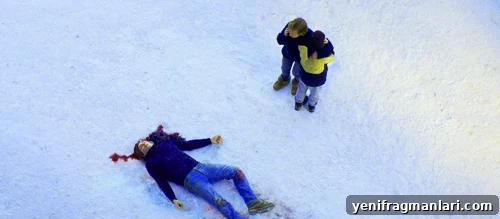
Justine Triet’s courtroom drama Anatomy of a Fall earned the Palme d’Or at Cannes and for good reason. Sandra Hüller delivers a career-defining performance as a woman defending herself against charges of killing her husband. The screenplay is razor-sharp, with dialogue that feels lived-in and true, and the film’s editing is crucial to its success: it unravels complex facts while drawing the audience into the trial as active participants.
Triet frames the story as both a legal mystery and a pointed critique of gender bias. Long, intense interrogation scenes and a restrained approach to procedural elements emphasize how societal prejudices shape verdicts. The result is a timely, sophisticated film that interrogates how women are perceived and judged.
9. Maestro
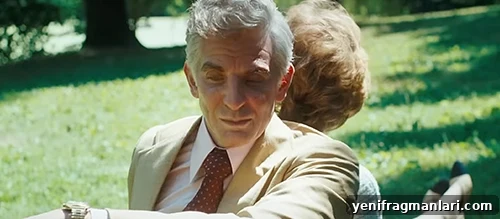
Bradley Cooper’s Maestro offers a sensitive portrait of Leonard Bernstein and his complex marriage. Cooper leads on screen with Carey Mulligan delivering a memorable supporting performance. Rather than attempting a full catalogue of Bernstein’s controversies, the film focuses on the intimacy of the relationship and uses musical sequences to enrich emotional beats.
Visually, Matthew Libatique’s cinematography is a standout: striking black-and-white compositions transition into a warm, 1960s color palette, all within a boxed 1.33:1 frame that lends both nostalgia and intimacy. The film’s deliberate visual choices communicate character and context with powerful economy.
8. The Whale
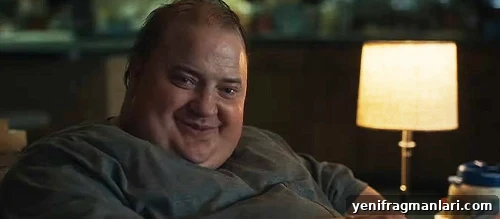
Darren Aronofsky’s The Whale is a profoundly empathetic study of loss, shame and the search for worth. Anchored by Brendan Fraser’s vulnerable, transformative performance, the film resists sensationalism and instead approaches its subject with compassion. Samuel D. Hunter’s script and Phil Simonsen’s score work together to create an intimate atmosphere that invites understanding rather than judgement.
Aronofsky’s film captures a rare blend of philosophical depth and emotional accessibility, making it one of the most affecting releases of the year.
7. Spider-Man: Across the Spider-Verse
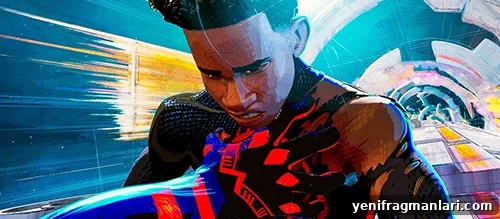
Sony Pictures Animation’s sequel pushed the boundaries of how animated stories can look and feel. Across the Spider-Verse expands Miles Morales’s journey through a visually astonishing multiverse, using an array of frame rates and animation styles to communicate character and mood. Daniel Pemberton’s score and a curated soundtrack of contemporary hip-hop complement the visuals, creating an emotional and culturally specific experience.
As a middle chapter in a trilogy, it balances spectacle and character growth and leaves audiences eager for the finale.
6. May December
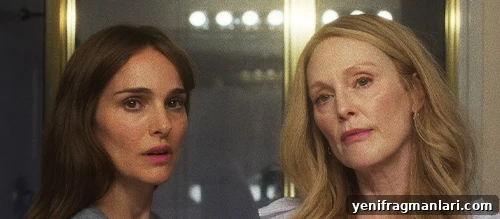
Todd Haynes’s May December examines how the entertainment industry reprocesses real-life trauma. Natalie Portman plays an actress preparing to portray a controversial figure, opposite Julianne Moore and Charles Melton, whose performances are nuanced and unsettling. The film critiques the voyeuristic impulse to turn tragedy into spectacle, asking difficult questions about responsibility, representation and the ethics of storytelling.
Technically, it recalls the melodramas of Douglas Sirk with vivid domestic spaces and elegant camera work, while Marcelo Zarvos’s score underscores the invasive nature of public fascination with scandal.
5. Barbie
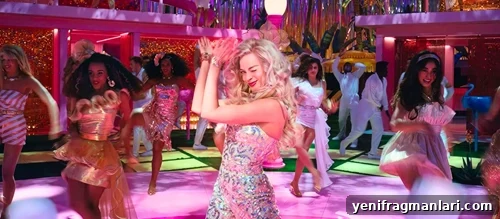
Greta Gerwig’s Barbie became a cultural moment. What might have been a marketing-driven IP film instead became a witty, heartfelt exploration of womanhood, identity, and self-worth. Margot Robbie’s performance drives a story that balances satire and sincere emotion, while Noah Baumbach’s co-writing provides razor-sharp character dynamics.
The film reclaimed communal cinema experiences, inspiring audiences—especially young women—to celebrate and reflect. Its musical flourishes, visual nods to film history, and its wide emotional range made it one of the year’s most talked-about films.
4. Oppenheimer
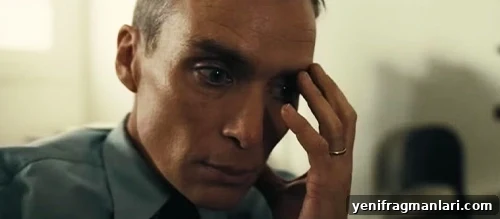
Christopher Nolan’s Oppenheimer proved that audiences will embrace ambitious, challenging cinema. The film combines technical innovation— including the use of specially developed black-and-white IMAX film stock— with a dense, humanist character study. Cillian Murphy leads a remarkable cast, and Ludwig Göransson’s score heightens the film’s mounting tension in ways that linger long after the credits roll.
Nolan’s focused storytelling and palpable sense of dread make this a standout film that engages both intellectually and emotionally.
3. The Old Oak
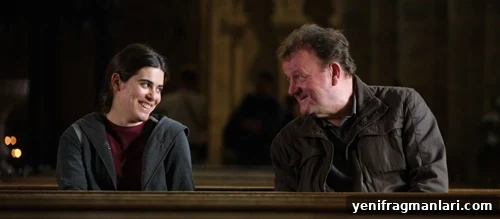
Ken Loach’s final film, The Old Oak, is a humane, social-realist portrait of a small community confronting the arrival of asylum seekers. Written by Paul Laverty, the film emphasizes empathy, solidarity and the importance of public spaces. Loach’s characteristic use of non-professional performers lends authenticity and emotional force, and the film’s message—about the value of community in the face of division—resonates powerfully.
Loach’s work remains a call to action: protect communal life, listen to neighbours, and use cinema to foster understanding.
2. Killers of the Flower Moon
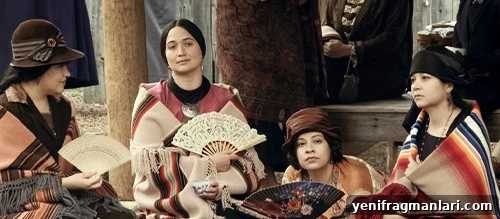
Martin Scorsese’s Killers of the Flower Moon feels like a masterpiece in real time. Adapting a tragic chapter of American history, Scorsese layers cinematic homages with a fierce critique of representation, using the Osage murders to interrogate how cinema has contributed to erasure and stereotype. The film is anchored by outstanding work from Leonardo DiCaprio, Robert De Niro, and a breakout turn from Lily Gladstone, and it balances surface-level narrative intrigue with profound thematic depth.
Scorsese’s direction, coupled with meticulous production design and a resonant score, yields one of the year’s most ambitious and necessary films.
1. Babylon
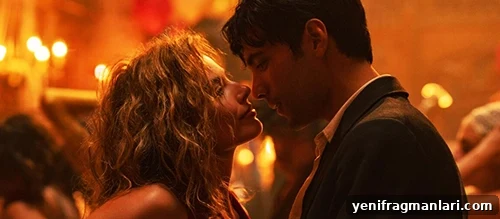
Damien Chazelle’s Babylon is a brash, rhythmic ode to the chaotic birth of Hollywood. The film revels in excess—sex, partying, violence and ambition—while charting the industry’s transition from silent cinema to sound. Margot Robbie, Brad Pitt and Diego Calva deliver powerful performances that humanize the film’s larger historical sweep. Justin Hurwitz’s score propels the film like a jazz ensemble, giving it momentum and shape.
Chazelle embraces the messy, often unforgiving early days of filmmaking and contrasts them with the arrival of old money and the loss of a certain creative freedom. The movie’s technical bravura, emotional core and audacious scope make it a provocative, memorable centerpiece for 2023.
After a turbulent few years for the industry, these films represent a reclamation of cinema’s most powerful qualities: risk-taking, emotional honesty, technical ambition, and cultural relevance. While future disruptions may change the landscape again, the 2023 slate proves that great storytelling and fearless filmmaking continue to matter.
Which films stood out to you in 2023? Share your picks and thoughts in the comments below.