
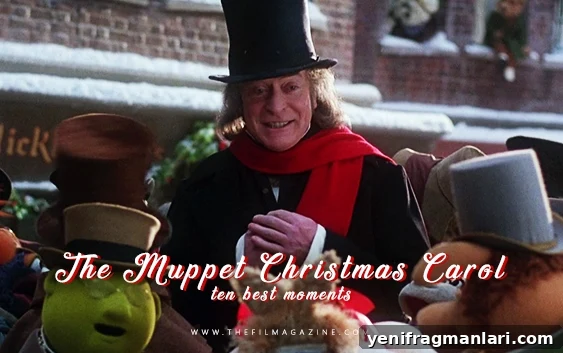
The Muppet Christmas Carol first reached cinemas in December 1992 and returned modestly at the box office. Like other holiday films that grew in popularity through home video and syndication, the arrival of VHS and later DVD helped this adaptation become a staple of seasonal viewing. Over time it has become the definitive screen version of Charles Dickens’ A Christmas Carol for many viewers, and it’s even responsible for a generation playfully believing Scrooge had business partners named Marley and Marley.
The Muppet Christmas Carol was also the first Muppet theatrical release during the franchise’s relationship with Disney. That collaboration brought significant production resources while allowing the Jim Henson Company to preserve much of its creative voice. The result is a film that combines high production values with the Muppets’ imaginative charm—creating a festive classic many consider one of the best Christmas films.
In this Movie List from The Film Magazine, we examine the moments that have helped this Muppet film earn its lasting place in holiday culture. After studying the film scene by scene, we present the 10 Best The Muppet Christmas Carol Moments, chosen for their emotional resonance, humor, ingenuity and enduring appeal.
Follow @thefilmagazine on X (Twitter).
10. Christmas Scat
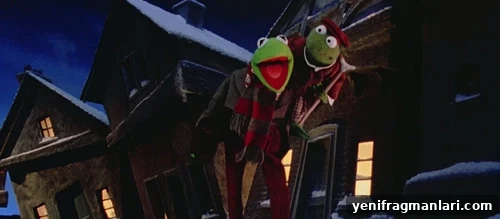
By 1992, the Jim Henson Company had progressed far from the earliest hand-crafted puppets. This film marked a technical leap for cinematic Muppet productions: puppeteers could be more effectively hidden and camera work could move beyond static waist-up shots. That advancement makes scenes like Bob Cratchit and Tiny Tim returning from church and singing together feel surprisingly alive. Filming a freestanding, dancing puppet was one of the production’s trickiest tasks, and the care shows—this tender scene helps convince children that Kermit and his friends share the human world.
Recommended for you: ‘The Muppet Christmas Carol’ at 30 – Review
9. One More Sleep ’til Christmas
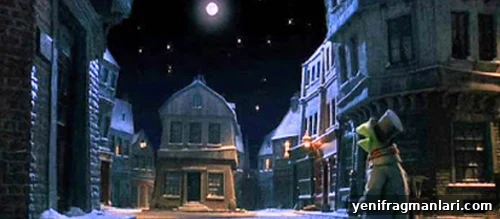
For many, watching the film on Christmas Eve is a tradition anchored by this song. Kermit’s enthusiasm captures the thrill children feel before Santa’s arrival, providing a joyful contrast to Michael Caine’s stern Scrooge. The closing notes of “One More Sleep ’til Christmas,” with Kermit gazing at a shooting star, carry a bittersweet, reflective tone. That mixture of hope and melancholy is potent, especially knowing this was one of the first major performances of Kermit after Jim Henson’s passing—an emotional bridge between old and new performers.
8. Bless Us All
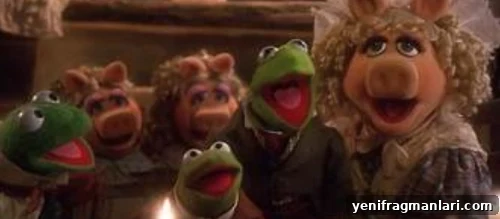
The Muppet Christmas Carol stands apart from other Muppet retellings by balancing comedy with sincere moments. Where parody titles bend and reshape source texts for laughs, this film treats Dickens’ story with respect while retaining humor. The “Bless us All” sequence—led by Tiny Tim—could have become saccharine, but instead it is genuinely moving. Its quiet warmth and family-centered message play a crucial role in softening Scrooge’s heart and catalyzing his transformation.
7. Feels Like Christmas
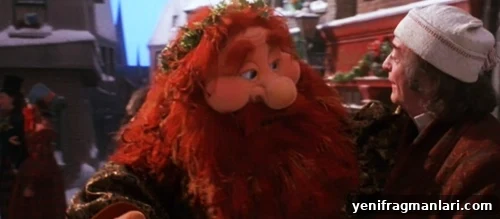
This number captures the joy of waking up on Christmas morning and provides a welcome burst of light after the unnerving visits of the Marleys and the Ghost of Christmas Past. The Ghost of Christmas Present arrives like a warm, jolly figure, and his presence briefly lifts Scrooge’s mood. The sequence contrasts the earlier ridicule Scrooge inspired with now unabashed celebration, reinforcing the film’s earnest belief in the healing power of love and human connection—even when the first attempts at dancing look awkward.
Recommended for you: The Muppets Movies Ranked
6. Ghost of Christmas Yet to Come
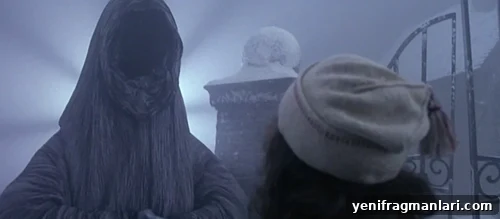
The Muppet Christmas Carol is surprisingly frightening for a U-rated family film, and the Ghost of Christmas Yet to Come is one of its scariest elements. Tall, hooded, faceless and silent, the spirit is visually intimidating, yet unexpectedly gentle in gestures. With Gonzo and Rizzo having fled, Scrooge faces this silent guide alone. The spirit’s final message—that the future we fear is often our own projection of failure—lands with emotional weight rather than mere spectacle.
5. Scrooge
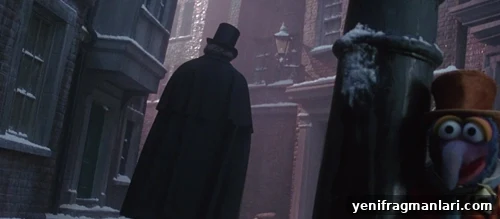
The film’s soundtrack and score are central to its success, and Paul Williams’ contributions are pivotal. The opening song “Scrooge” establishes tone and character with clever lyrics and striking visuals. The sequence blends comedy and darker themes, showing Scrooge’s loneliness turned into cruelty while integrating Muppets seamlessly with human extras. Visual gags and hidden details populate the scene, but Michael Caine’s imposing Scrooge dominates—an effective visual metaphor for the character’s oppressive influence.
4. Marley and Marley
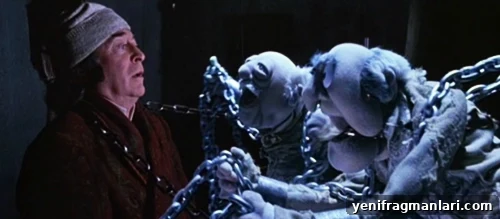
Casting Statler and Waldorf as Marley is a stroke of Henson magic: the curmudgeonly pair deliver biting comic relief while also conveying genuine menace. Their opening appearance balances horror with satire, and their denunciation of greed remains sharp three decades on. Lines that once felt strictly Victorian now resonate with contemporary social concerns about wealth inequality. The Marley brothers’ fate—eternal punishment for exploiting the vulnerable—underscores the film’s moral clarity.
3. Moment of Redemption
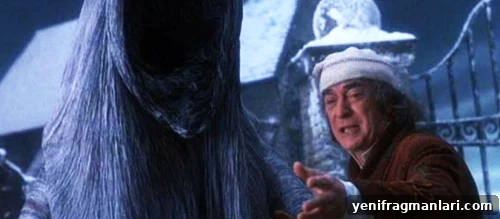
After witnessing a bleak future where Tiny Tim dies and the world treats the unnamed corpse as a nonentity, Scrooge finds himself in a graveyard and begs the Spirit of Christmas Yet to Come to reveal the soul whose death he has just seen. The spirit’s silent, accusatory point forces Scrooge to uncover a gravestone beneath the snow. When he wipes the snow away and reads the name—EBENEZER SCROOGE—he breaks down in grief. This moment of raw vulnerability completes the arc from tyrant to penitent and is a powerful turning point in the film.
2. When Love Is Gone
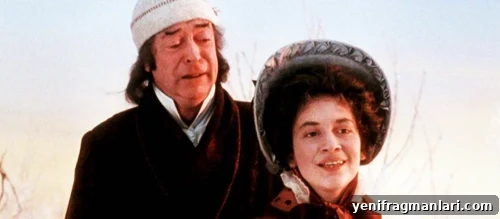
One of the most emotionally charged sequences, “When Love Is Gone,” was edited out of some releases due to concerns about upsetting young viewers. Fortunately, the full sequence later returned in streaming editions. Meredith Braun’s performance as Belle is tender and heartbreaking; her final, resigned line—“You did once”—and the subsequent musical exchange reveal how loneliness and lost love shaped Scrooge’s coldness. Michael Caine’s restrained, anguished reaction deepens audience sympathy and marks the first major step toward his redemption.
1. Scrooge’s First Christmas Present
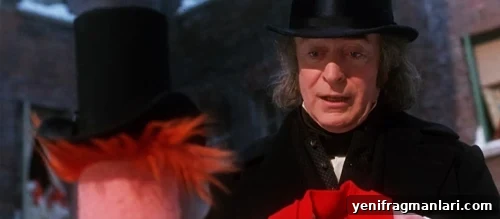
The list culminates with the moment that completes Scrooge’s transformation. Dickens’ novella emphasizes personal salvation: Scrooge’s change is about his own capacity for love and forgiveness, not only about redistributing wealth. In the film’s final scenes, Scrooge’s newfound generosity sparks joy across the town. When Beaker removes his scarf and offers it to Scrooge, the exchange—Scrooge accepting a present for the first time—reveals how deprived Scrooge has been and how fully he has healed. Accepting joy allows him to give freely and with real warmth.
Recommended for you: 50 Unmissable Christmas Movies
The Muppet Christmas Carol remains a beloved holiday film, rich with memorable sequences that combine humor, heart and genuine reverence for Dickens’ story. No list can capture every viewer’s favorite moment—what did we miss? Share your own picks and memories of the film. Merry Christmas!