
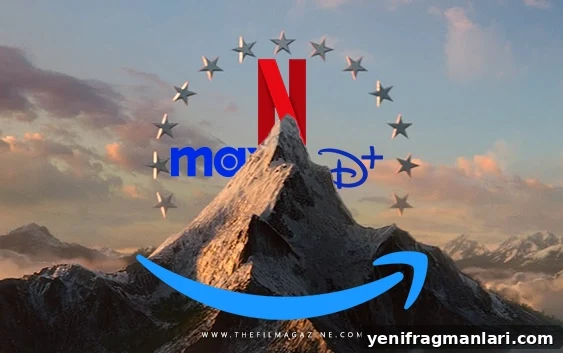
Every film enthusiast can point to moments that changed cinema forever: the shift to Technicolor in The Wizard of Oz, the rebellious spirit of Easy Rider, and the decisive legal battle of United States v. Paramount Pictures. That 1948 Supreme Court ruling reshaped how films are produced, distributed, and shown, with consequences that still echo today.
Before the decision, major studios controlled most of the film ecosystem. Through a system known as block booking, production companies bundled films and struck exclusive deals with independently owned theaters, effectively forcing exhibitors to buy entire packages to secure the hits. For decades, this vertical integration concentrated power in the hands of a few studios—Metro-Goldwyn-Mayer, RKO, 20th Century Fox, Warner Bros., Paramount, and others.
When the case reached the Supreme Court, the justices concluded these practices violated the Sherman Antitrust Act. The ruling prohibited studios from owning the theaters that screened their films and curtailed block booking, breaking up a monopolistic grip on distribution and exhibition. The change was profound: it opened exhibition to a wider array of films, made room for independent exhibitors, and encouraged studios to rethink production and financing models.
In the decades that followed, the industry shifted away from long-term, studio-staffed production toward freelance crews, independent projects, and short-term contracts—changes that helped give rise to new cinematic voices. Independent filmmakers and innovative studio talents found greater opportunities to reach audiences, and directors such as Stanley Kubrick, Martin Scorsese, and Steven Spielberg emerged during a period of renewed artistic experimentation.
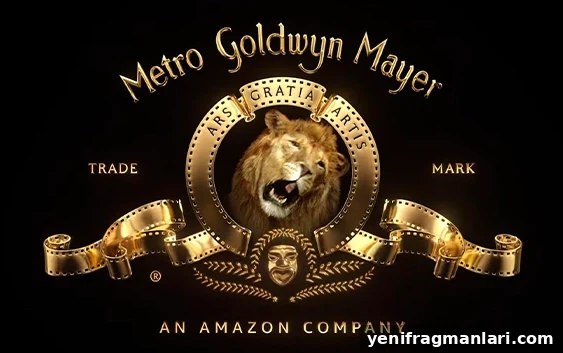
Fast forward nearly eight decades, and the dynamics of control in the film business are changing once again. The streaming era has created a new form of consolidation, not through theater ownership but via exclusive digital rights and platform-controlled distribution. Large tech and media companies now buy studios, acquire catalogs, and use exclusive content to grow subscriber bases. When Amazon purchased MGM in 2022, the famous roaring lion now appeared alongside the label “AN AMAZON COMPANY,” a reminder of how legacy brands are being absorbed into larger corporate platforms.
Consumers now subscribe to a growing list of services—Amazon Prime, Netflix, Hulu, Max, Paramount+, Disney+, Sky—and many studios produce exclusive shows and films for their streaming platforms. The subscription model has become central to distribution, and exclusive originals serve as a primary tool to attract and retain viewers. This business model reshapes how and where audiences encounter films, often prioritizing home viewing over theatrical releases.
Netflix itself transformed from a DVD-by-mail company into a streaming pioneer, and the introduction of “Netflix Originals” with hits like House of Cards demonstrated how original streaming content could rapidly scale a service’s audience. The success of early originals prompted traditional studios to shift strategy: they launched their own platforms, reoriented release plans, and began treating streaming as a dominant distribution channel.
The consequence is a new kind of exclusivity. Films and series tethered to specific platforms create a de facto fragmentation of the market: to watch certain content, consumers must subscribe to particular services. This mirrors the old era’s territorial control, though now the battlefield is digital rather than physical. As streaming grew—reaching over a billion subscriptions globally by 2021—major studios and streamers increasingly favored direct-to-platform premieres for projects that previously might have had theatrical runs.
Some filmmakers have pushed back. Established directors who intended theatrical pictures have found their projects diverted to streaming, sometimes without the theatrical run they envisioned. The director of a high-profile film that bypassed cinemas publicly criticized the shift after the studio that commissioned the project was acquired and repurposed the release strategy.
This trend affects independent cinema as well. The 1948 decree helped independent films reach theaters and find audiences; streaming exclusives and massive platform libraries now risk burying distinctive voices under an avalanche of branded content. Smaller films are often sold to big platforms where they can struggle to gain visibility amid promotional priorities and algorithmic sorting. Even distributors once known for championing indie work are increasingly participating in blockbuster-driven ecosystems.

At the same time, major franchises and tentpole brands recruit talent from the independent world, offering filmmakers large budgets and wide exposure—but also asking them to conform to established formulas. While this can bring resources to creative artists, it can also dilute the originality that made them notable in the first place.
For viewers, consolidation and exclusivity translate into higher costs and fewer perceived choices. Subscription fees add up, and exclusive windows force audiences to juggle multiple services to access desired titles. The result is a fragmented cultural landscape where many distinct films and creative experiments struggle to find the audience they deserve.
The lessons of 1948 remain relevant: concentrated control over how films are shown and distributed has clear consequences for artistic diversity and public access. Today’s platform-based exclusivity is the modern analogue to block booking, and it presents similar threats to independent cinema’s ability to flourish. Advocating for diverse distribution models, supporting independent exhibitors, and staying attentive to industry shifts are important ways to protect creative freedom in the cinematic arts.
The fight for a varied, competitive film industry is ongoing. Recognizing streaming consolidation as a new form of monopoly is the first step toward ensuring that filmmakers—emerging and established—can continue to create work that challenges, surprises, and enriches audiences everywhere.
Recommended for you: Netflix’s Business Model Doesn’t Allow for Long-Term Success
Written by Jamie Williams
You can support Jamie Williams via LinkedIn.