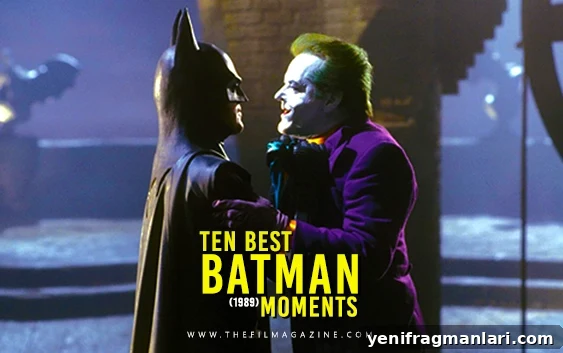
For decades writers, directors, producers and critics have attempted to pin down Batman’s shadowy figure. He has been portrayed as a masked vigilante, a brutal force, a tragic recluse and, for fans, a symbol of justice, determination and survival. Batman is not a one-note archetype; he is a moral emblem shaped by profound tragedy.
Many creatives have offered fresh takes on the Caped Crusader, and with each reinvention the character arrives renewed. He has shifted from campy to terrifying, from comic to gothic. For Tim Burton, director of the first major studio live-action Batman film, Batman is a freak operating on society’s edges—so close to the Joker in temperament that their rivalry becomes deeply personal.
Burton’s 1989 Batman is set during the hero’s early years, when whisper and rumour shape his identity. This plays perfectly to Burton’s horror-infused style: Gotham’s streets murmur of a half-man, half-bat apparition. Burton framed the film as “a fight between two disturbed people,” tying Batman and the Joker together in a disturbing mirror dynamic that frequently leaves viewers unsure who to root for.
There is an unexpected maturity to Burton’s approach. He plunges Batman’s stakes into gothic horror while using strong visuals and a deliberate tone. With Michael Keaton and Jack Nicholson leading the film, Batman feels like a moody, almost noir-inflected tale of morality and monsters. Burton transformed a pop-culture figure into something monstrous and resonant.
From Jack Nicholson’s extravagant Joker to Danny Elfman’s bold score, Batman is full of memorable moments. Below are the film’s ten standout scenes, described and examined for their impact and craftsmanship.
10. Bruce Wayne’s Realisation
“Have you ever danced with the devil in the pale moonlight?”
Batman’s origin is as central to his persona as his suit and gadgets. Stoic and controlled, Bruce Wayne still harbours deep vulnerability born of trauma. In this film Burton presents a chilling version of that trauma: Bruce, alone in the Batcave, watching the Joker’s taunting broadcast, is struck by the memory of his parents’ murder and realises the face in that memory belongs to Jack Napier. The revelation that their fates have been intertwined all along creates an unsettling intimacy between hero and villain.
Burton chooses a restrained presentation here: minimal music, pale moonlight and haunted silence. The sparse staging keeps us inside Bruce’s experience and intensifies the revelation. The effect is that Bruce discovers not only an enemy but a reflection of the darkness inside himself.
9. Fight in Axis Chemicals
“Hey Eckhardt, think about the future.”
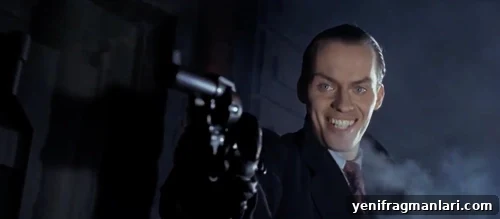
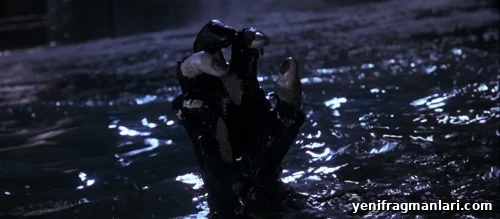
Villains are sometimes reduced to caricatures, but Jack Napier is human before he becomes monstrous. When we first meet him at Axis Chemicals, he is ruthless and capable of violence, yet recognisably human. A firefight leads to a ricocheted bullet and Napier falls into a vat of chemicals. The plant becomes a chaotic, steamy wreck orchestrated by Napier’s malicious cunning, and when his hand rises from the chemical liquid, a frightening transformation is complete.
The scene establishes the film’s central mirror: Batman and Napier confront each other and discover parallels rather than polar opposites. Burton stages the sequence to emphasise contrast—the stoic, controlled Batman against Napier’s gleeful madness—while also suggesting they are reflections of one another’s extremes.
8. Batman’s Fight in the Back Alley
“He’s human after all!”
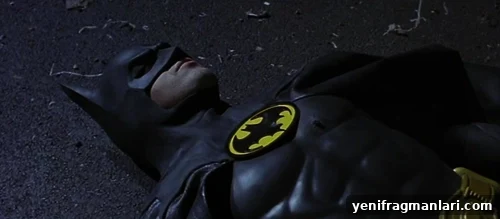
Burton’s Bruce Wayne carries a dual identity: the public billionaire facade and the private, uncompromising Batman. In this back alley fight, Vicki Vale has been rescued from the Joker’s goons, and Batman is ambushed and shot. The bullet strikes his armour, revealing his humanity yet underscoring his power. With minimal choreography and a focus on impact over flourish, Keaton’s Batman dispatches multiple attackers with single, decisive blows.
The scene answers early scepticism about Keaton being “too funny” for the role. He channels an edgy intensity here, making Batman feel unstoppable while still grounded. Burton’s framing and quick cuts emphasise the hero’s efficiency and physicality without turning the sequence into spectacle for its own sake.
7. The Joker’s TV Ad
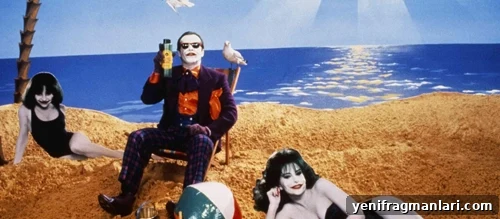
“So remember – put on a happy face!”
The Joker’s power lies in turning the ordinary into the menacing. During a live news broadcast the presenter collapses in uncontrollable laughter after ingesting Smylex, and the transmission is interrupted by a Joker advertisement for the same lethal product. The image of a smiling, laughing broadcaster—her grin grotesquely fixed—captures the Joker’s dark humour and nihilistic approach.
Jack Nicholson’s performance sells the scene: his ease and charisma make the Joker’s cruelty addictive to watch. Burton’s choice to puncture the moment with silence and retro-ad stylings heightens the dread, forcing us to confront how laughter and cosmetics become instruments of horror in the Joker’s hands.
6. The Batmobile Chase
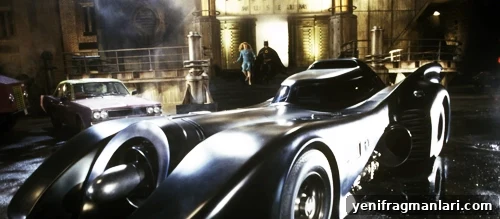
“Where does he get those wonderful toys?”
Batman’s vehicles are a hallmark of the mythos, and the Batmobile chase showcases design and kinetic energy. After rescuing Vicki Vale from the Flugelheim Museum, Batman drives the Batmobile as Joker’s henchmen pursue in bright, garish cars. The sequence uses quick cutting and inventive camera angles to create frantic motion, culminating in a crash that underscores Batman’s technical superiority.
Production design reinforces the feeling that Gotham and the Batmobile belong to the same world: brutal, expressionistic and slightly surreal. The chase balances spectacle with character—Batman remains composed and in control while the city around him erupts into disorder.
5. The Beginning of the Final Showdown
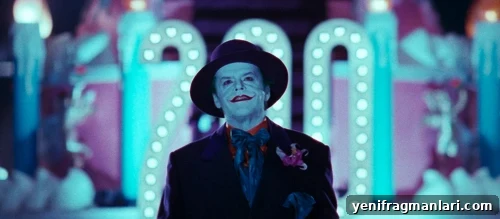
“Who do you trust?”
Villains are at their most dangerous before the final fight. The Joker uses Gotham’s bicentennial parade as a stage to give away money and invite Batman for a final confrontation. Perched on a float, singing and throwing cash, the Joker presides over chaos; the float’s large balloon releases toxic gas into the crowd, turning celebration into calamity.
This sequence crystallises the film’s central question: from two damaged men who both crave revenge and attention, which figure deserves Gotham’s trust? The parade becomes a grotesque pageant of the Joker’s dominion and a reminder that Batman can battle villains but not necessarily cure the city’s deeper ills.
4. The Final Showdown in the Cathedral
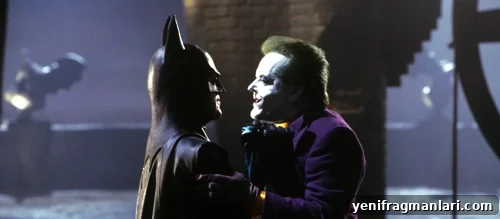
“I made you, but you made me first.”
The climax at Gotham Cathedral is more than a physical battle: it’s the emotional and moral confrontation between two men who have shaped each other. After Batman’s Batwing is shot down, he pursues the Joker to the cathedral, where Vicki Vale is held captive. The vertical setting—steep staircases and towering heights—creates a vertiginous combat sequence that echoes classical thrillers.
Burton stages the scene like a descent into madness: Elfman’s score swells, the Joker dances to circus tunes and Batman’s blows land with heavy consequence. When Bruce confronts the Joker about the death of his parents, the emotional stakes explode, and Batman realises how much their identities are entwined. The sequence closes their narrative loop in a savage, unforgettable way.
3. The Joker’s Takeover of the Flugelheim Museum
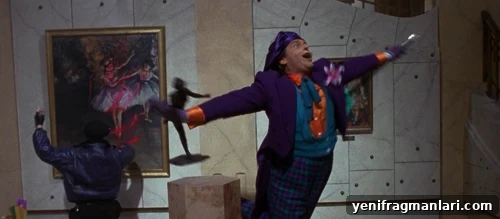
“Gentlemen, let’s broaden our minds!”
The Joker’s museum rampage mixes showmanship and menace. After tracking Vicki to the Flugelheim Museum, he floods vents with purple gas and stages a grotesque, performative robbery that doubles as a twisted date. The scene feels like a subversive music video—bright, chaotic and unsettling—while also revealing the Joker’s homicidal intent as he flaunts Smylex and his desire to remake people in his image.
The sequence delivers both dark humour and dread, showcasing how the Joker revels in spectacle while plotting mass destruction. It’s both entertaining and deeply unnerving.
2. The Introduction to Keaton’s Batman
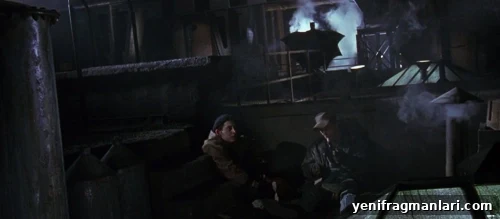
“I’m Batman.”
A successful debut can make a screen version of Batman instantly iconic, and Keaton’s first moments deliver that. On a crowded Gotham night, a family becomes prey in an alley. As goons terrorise them, a silhouetted figure descends from a rooftop and the legend arrives. Burton uses dramatic gothic visuals and shadow work to present Batman as an avenging silhouette. Keaton’s restrained, tense delivery and the simple line “I’m Batman” cement this portrayal as memorable and formidable.
The introduction combines design, movement and performance to create a bat-shaped symbol of fear that marks Keaton’s Batman as terrifying, effective and unforgettable.
1. The Joker Is Born
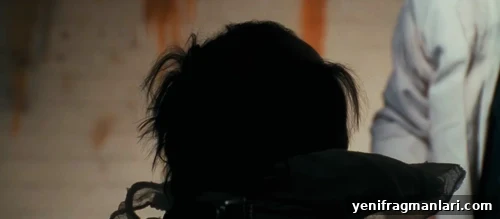
“My God!”
The Joker’s birth is grim and magnetic. After surviving the chemical vat, Jack Napier emerges with chalk-white skin, green hair and a permanent rictus grin. In the surgical aftermath he rips off his bandages, sees his new face in a mirror and transforms—first into inconsolable sobbing and then into maniacal laughter. That laughter, shrill and piercing, signals the arrival of a new monster.
Burton stages the scene to let our imaginations fill in the worst details. The confined surgical room, Jack’s frantic movements and Nicholson’s unnerving performance create a birth sequence that is as much psychological as it is physical. The Joker’s creation is terrifying precisely because it forces us to witness the moment an ordinary man becomes an emblem of chaos.
Tim Burton’s Batman remains a critically acclaimed entry in live-action Batman history, full of striking set pieces and unforgettable performances. Which scenes stand out to you? Share your thoughts and memories of the film in the comments, and revisit these moments when you want to experience Burton’s dark, stylised Gotham.
Written by Bella Madge
Support the author:
Substack: BellaWatchesFilms
Instagram: @bellawatchesfilms
TikTok: @bellawatchesfilms
Picturehouse Fresh Takes: Name Me Lawand Review