
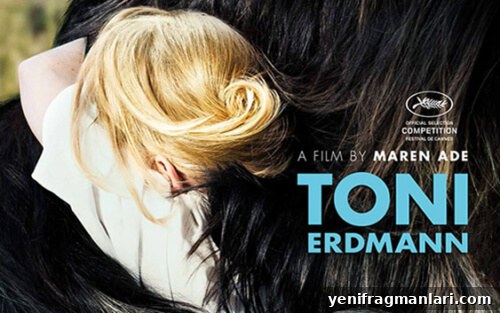
Toni Erdmann (2016/17)
Director: Maren Ade
Screenwriter: Maren Ade
Starring: Sandra Hüller, Peter Simonischek
Maren Ade’s Toni Erdmann is a multilingual character drama infused with sharp comedic beats. The film won widespread acclaim across Europe, earning major recognition at the European Film Awards in 2016 and becoming Germany’s celebrated entry in the 2017 Foreign Language Oscar race. Produced with funding from multiple European sources and set primarily in Romania, the picture — led by standout performances from Peter Simonischek and Sandra Hüller — interrogates corporate culture, class and generational divides, the influence of large industry, and workplace sexism, all while maintaining a steady undercurrent of dark humor that reveals a careful, deeply human character study.
At its core, Toni Erdmann revolves around a simple but potent premise: the eccentric Winfried (Peter Simonischek), a lovable oddball with a penchant for elaborate pranks, visits his adult daughter Ines (Sandra Hüller) in Bucharest in a bid to reconnect. Ines is a high-powered, serious-minded executive whose life and values are quickly diverging from her father’s freewheeling outlook. Winfried’s attempt to bridge that distance — largely by trying to make her laugh — launches a series of encounters that are alternately uncomfortable, uproarious, tender, and revealing. What could easily have been a predictable comedy becomes something much more resonant through patient pacing and the actors’ committed portrayals.
Maren Ade’s direction balances comedy and drama with a rare sensitivity. The film feels deliberately paced, allowing quieter, character-driven beats to breathe before delivering moments of absurdity or emotional release. This approach turns many scenes into slow-burn payoffs: jokes land not purely for shock but as revelations about who these people are and what they need from each other. Ade’s screenplay and editorial rhythm work together so that humor serves character development rather than overshadowing it. The result is a film that both entertains and provokes thought — a subtle social commentary wrapped in warm, often awkward human interactions.
The film’s greatest strength is its character development. Winfried and Ines begin as almost archetypal figures — the clownish father and the stern corporate daughter — but they are fleshed out into complex, sympathetic individuals. Winfried’s pranks and theatrical gestures initially read as disruptive and even intrusive, but as the story unfolds, his actions are revealed as forms of empathy and unconventional care. Ines, meanwhile, sheds layers of professional armor and exposes vulnerabilities that explain her distance from her father. As the narrative progresses, responsibility and emotional labor shift between them in a way that feels authentic and earned. This transformation is one of the film’s most affecting achievements: a father and daughter who teach each other about living, risk, and intimacy.
Some viewers may find Winfried’s methods uncomfortable or borderline invasive. The line between affectionate meddling and inappropriate interference is intentionally blurred, and that ambiguity is part of the film’s design. Rather than presenting a sanitized father figure, Toni Erdmann offers someone boldly human — flawed, persistent, and surprisingly wise in his own unorthodox way. Over time, Winfried functions less as a cartoonish comic device and more as a catalyst for Ines’s emotional reawakening. His seemingly outrageous behavior becomes a vehicle for truth-telling and personal reconnection.
The film also excels as a portrait of modern corporate life and its effects on identity. Ines’s workplace environment, with its vapid team-building language and performative leadership, provides a sharp backdrop against which personal authenticity stands out. Ade’s camera lingers on both the mundane offices and the isolated interiors of expatriate life in Bucharest, illustrating how professional ambition can disconnect people from themselves and their loved ones. Humour emerges naturally from the contrast between corporate absurdity and human vulnerability.
Technically, the film is understated but precise. Performances by Sandra Hüller and Peter Simonischek are central: Hüller brings a controlled intensity and gradual softening to Ines, while Simonischek invests Winfried with warmth, theatricality, and an emotional honesty that keeps the film grounded. The screenplay’s blend of long, observational scenes and unexpected comic set pieces lets the audience settle into the characters’ world and feel the stakes of each encounter.
In summary, Toni Erdmann is a standout in contemporary European cinema — a film that merges intelligent social critique with genuine emotional insight and sustained comic invention. It rewards patient viewing and offers a rich, humane experience that lingers long after the credits roll. Audiences seeking a comedy with depth and a drama with heart will find much to admire here.
Score: 22/24