
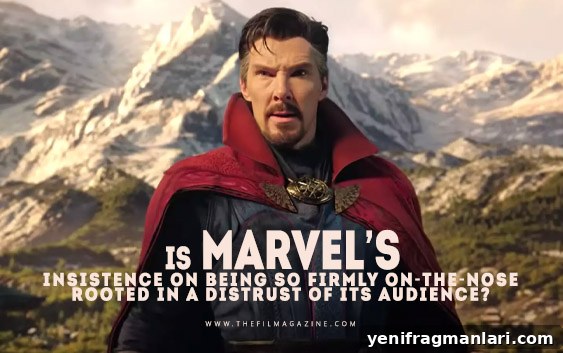
In Doctor Strange in the Multiverse of Madness, viewers are often given characterisation and exposition through dialogue that feels on-the-nose, as if the film expects its audience to be instructed like infants. Viewers and fans deserve more credit.
The Marvel Cinematic Universe is a sprawling, interconnected web. Even dedicated viewers who watch every release and could name the characters on a themed Guess Who board still face dozens of moving parts: crossovers, cameos, alternate realities and multiversal implications. With so much happening, many fans increasingly rely on explainers and recap videos to unpack references and connections. That context makes it all the more puzzling when films opt for blunt, overly explicit dialogue rather than trusting the audience to infer meaning from what happens on screen.
Doctor Strange in the Multiverse of Madness is a vivid example. Instead of leaving space for subtlety, the film often announces plot mechanics and character motives in plain, declarative lines. Given Marvel’s budget and visual resources, the film could have shown more and told less: powerful actors, visual cues and effects can convey stakes, relationships and emotional beats without spelling them out. But much of the script leans on functional, expository speech that undercuts tension and robs scenes of nuance.
Good dialogue tends to do two things simply: it shows rather than tells, and it sounds specific to the speaker. Michael Waldron’s script for Multiverse of Madness frequently does neither. Instead, it sometimes reads like an assembly of familiar Marvel catchphrases or draft-stage reminders meant to mark plot points for later polish. The result is characters delivering lines that explain what viewers already understand from the images, or that sound generic rather than personally rooted.
Scenes that could thrive on subtext instead become informational. For instance, when Kamar-Taj prepares for an attack, a blunt line announcing the place must become a fortress collapses tension rather than heightening it. The sorcerers’ defensive actions and the visual staging already communicate the urgency; a more character-driven line from Wong—something wry or weary—would preserve tone while conveying the same plot point. Small choices like that would make the dialogue feel alive rather than structural.

‘Kamar-Taj must now become a fortress.’
Similarly, a reunion with an alternate-version character plays out with lines that state intent instead of revealing personality. When Doctor Strange encounters a familiar antagonist in another universe, the welcome feels perfunctory—phrases that announce the action rather than layering irony, warmth or hidden agendas into the exchange. Recasting functional lines as conversational particulars—an offhand quip about clothing or a pointed question about mutual acquaintances—would better establish relationships and invite curiosity without over-explaining.
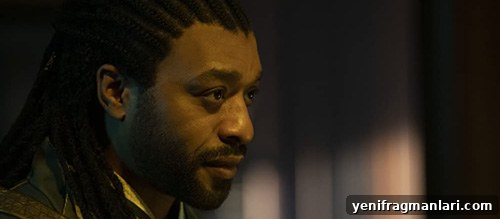
‘Come in and tell me everything about your universe’
There are clear moments where exposition is unnecessary because the visuals already deliver the information. A line that explains how to break a spell could instead be shown through a sequence in which the spell’s pattern falters or the environment visibly reacts as someone tries to free another character. Showing the mechanics through action and visual cues would make the payoff feel earned and avoid that patronising sensation some viewers report.
‘Perhaps if I can pull you from the rubble, the spell will break’
Some dialogue feels lifted from other horror or genre films, echoing famous lines without being sufficiently reworked or personalised for the characters here. That familiarity can work when used deliberately—either as homage or to signal tone—but when the line lacks specificity it dissolves into cliché. Polishing these moments so they align with individual character voices would strengthen the script and enhance audience engagement.
Why did such explicit lines make the final cut? There are a few possible reasons. For one, certain tropey or expository phrases function as signalling devices for casual viewers or younger audiences who may be less familiar with MCU history. Wanda’s often sentimental, formulaic dialogue—carried over from her earlier portrayal—is intentionally trope-driven to underline her longing and naivety, and that device can be effective as dramatic irony. Still, much of the time the visual medium is the more potent tool for communicating backstory and stakes; relying on blunt verbal explanation can make blockbuster cinema feel like a theme park ride rather than a layered narrative.
Director Sam Raimi’s stronger contribution to the film is his confident use of horror motifs—chases, sudden violence, and surreal visual gags that channel an Evil Dead sensibility. Those sequences demonstrate how tone and style can elevate material, and they show that visual language is capable of carrying mood and story without literalising every beat in dialogue. When speech and visual design collaborate more closely, the film benefits; when dialogue tries to shoulder exposition that visuals could support, the result is flatter.
Dialogue shapes tone and guides audience emotion. Used thoughtfully, it amplifies character and deepens stakes. In Multiverse of Madness, greater attention to idiomatic, individualised lines—and a willingness to let images do the explanatory work—would have given viewers more credit and made the film’s best moments feel stronger. Greater collaboration between writers and visual teams, and a final pass to trim functional lines in favour of nuance, would help future entries in the MCU avoid the pitfalls of over-explanation while preserving clarity for new or casual viewers.
Written by Callum McGuigan
Recommended for you: 10 Best Sam Raimi Movie Moments