Frozen (2013)
Directors: Chris Buck, Jennifer Lee
Screenwriter: Jennifer Lee
Starring: Kristen Bell, Idina Menzel, Jonathan Groff, Josh Gad, Santino Fontana, Alan Tudyk
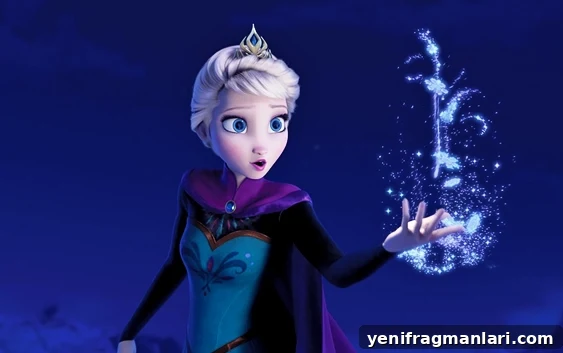
A frozen tundra unfolds under an evocative score inspired by Sámi-style singing. Jagged ice, crystalline frost and the shimmering Aurora Borealis set the stage for a world where magic is visible from the first playful moments. As children experiment with wonder, young Elsa (Eva Bella) discovers she can shape snow and ice with a flick of her fingertips. Her sister Anna sees only delight, not rivalry—the film immediately moves away from older Disney themes of female jealousy and rivalry.
That joy curdles when an accidental burst of ice strikes Anna (Livvy Stubenrauch). The kingdom seeks help from its magical trolls, and Anna is healed, but at a cost: her memory of Elsa’s powers is erased and Elsa’s gift is hidden. Elsa is compelled to live a life of secrecy and isolation, concealing her abilities. After their parents die, Anna too is drawn into the same lonely existence behind palace walls.
Years later, in springtime, Anna (Kristen Bell) and Elsa (Idina Menzel) have grown into young women. They greet coronation day with a mix of giddy excitement and anxious nerves as the castle gates open to present Elsa as the new queen. A realm ruled by an unmarried queen invites attention, and many visiting dignitaries look to take advantage of perceived vulnerability.
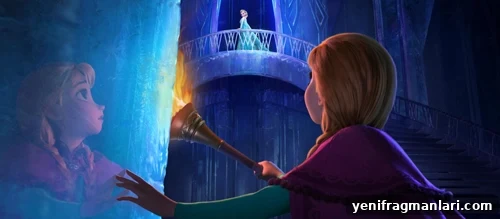
The evening’s pressure affects the sisters differently. Anna quickly falls for the charming Prince Hans (Santino Fontana), while Elsa, overwhelmed by fear and misunderstanding, unleashes her power in a public outburst. A sudden blizzard blankets Arendelle and Elsa flees into the mountains without a coat—rumor has it the cold does not trouble her. Left behind to save the kingdom and her sister, Anna (Kristen Bell) entrusts matters to Hans and sets off into the snow to find Elsa.
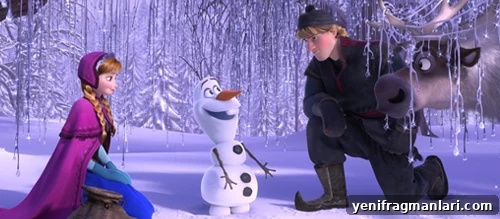
On her journey Anna encounters Kristoff (Jonathan Groff), an ice merchant whose rugged goodwill alters the course of her search and ultimately her life. Kristoff, his loyal reindeer Sven and the irrepressible snowman Olaf (Josh Gad) provide warmth, humor and unexpected support as Anna navigates danger, misunderstandings and the true nature of love and sacrifice.
It’s notable that Frozen (2013) was the first Disney animated film co-directed by a woman. Jennifer Lee co-wrote the screenplay and co-directed alongside Chris Buck. Her work on both this film and its sequel helped redefine contemporary animated storytelling and contributed to the franchise’s enormous commercial and critical success. The film accrued awards and cultural recognition, and its songs and characters quickly became part of popular culture.
Wreck-It Ralph (2012) was Jennifer Lee’s breakout screenplay at Disney, already suggesting her knack for writing layered female characters. Vanellope von Schweetz, for example, shares qualities with Elsa—an outsider who must come to terms with her identity and power. Lee’s approach reframes the traditional princess archetype into more complex, modern forms.
Several factors explain why Frozen resonates so deeply. The film benefits from lush animation, memorable musical numbers, and witty supporting characters whose humor often operates on two levels—engaging children while giving adults something to appreciate. Yet beyond surface pleasures, Frozen introduced structural shifts that widened its appeal. Most notably, the decision to center the story on two female protagonists—Anna and Elsa—changed the dynamic of the fairy-tale formula.
Anna provides the hopeful, romantic energy familiar to older Disney films, while Elsa embodies a more introspective, empowered and aromantic figure who must learn to accept herself and trust others. Splitting attributes typically assigned to a single princess into two distinct characters allowed the film to connect with diverse audiences: those who long for classic romance, and those who want stories of self-discovery and personal strength.
At the same time, the film retains strong male supporting characters—Kristoff, Sven and Olaf among them—so it can be enjoyed broadly. There’s action, peril, comedic monsters and a few spooky moments to engage viewers less interested in romance. Crucially, the film’s perceived antagonist shifts as the plot unfolds; until Elsa’s powerful anthem “Let It Go,” viewers may suspect she is the villain, but the true threat reveals itself in a clever narrative twist that reorients the emotional stakes. The surprise lands with a resonance that echoes classic cinematic revelations without becoming derivative.
Over the past decade Disney and Pixar have explored more progressive themes—grief, identity, self-worth and acceptance—across films like Big Hero Six, Inside Out, Moana, Luca, Encanto and Turning Red. While those films have their own achievements, Frozen stands out for having paved the way for emotionally complex, female-centered stories within mainstream animation.
Ultimately, Frozen endures because it balances spectacle and sentiment with contemporary values. Its themes—sisterhood, self-acceptance and love that transcends romantic expectation—are universal and lasting. Elsa soared to iconic status quickly, and the film shows no sign of fading from public affection.
Score: 20/24
Rating: 4 out of 5.