

Eight films crossed the $1 billion mark in 2019, and most of those successes belonged to Disney. Martin Scorsese released a film through Netflix, with his one request being that viewers approach it with attention rather than as background noise on a phone. Several long-running superhero sagas reached conclusions—some satisfying, others less so.
But one of the most interesting things about 2019 was how responsive studios can be. Fans complained about an animated character in a trailer, and the studio invested time and money to adjust it. Whether that change convinced more viewers to see a movie that now looks two decades out of date is debatable, but the episode raises a larger question: how much influence do audiences really have? Probably not enormous, yet ongoing conversation about films benefits the industry. It can lead someone to discover a film they missed or help them choose from an overwhelming amount of content. For that reason, I embrace top 10 lists. Below is my selection for the Top 10 Films of 2019.
Author’s note: I haven’t yet seen Portrait of a Lady on Fire or A Hidden Life. I write this acknowledging that either—or both—might replace entries on this list if I see them.
Honorable Mention: The Mountain
The Mountain barely misses the list because it sits on the edge of being a 2019 release and because Rick Alverson’s work is deliberately strange. The film follows Tye Sheridan working for Jeff Goldblum’s doctor, who performs lobotomies. Important lines are often delivered as if overheard; the camera and editing carry much of the narrative. This bleak, expressionistic piece uses mythic allusion and ambiguous storytelling to probe human nature, and it is a beautiful exercise in unsettling cinema.
10. Joker
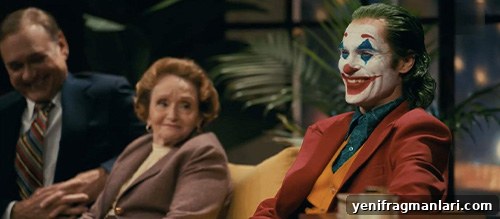
Joker (2019) — Review Summary
Todd Phillips’ Joker is on the lower end of this list largely because of its mainstream profile: almost everyone knows it. It was the only non-Disney film to pass $1 billion in 2019 and represents the kind of studio-backed picture that can hire top actors and directors while still taking artistic risks. The film builds a grim, gritty world in which primary colors signal the protagonist’s emotional swings without feeling forced. Strong lighting, music, and staging create memorable set pieces. Joaquin Phoenix’s performance is universally admired, and the film’s influences—from Chaplin to Scorsese—make it a thematically rich, if polarizing, experience.
9. Greener Grass
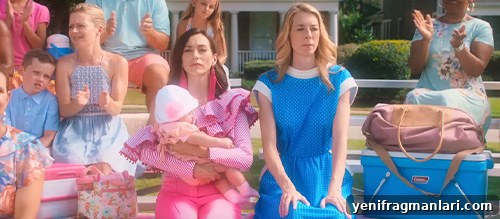
Greener Grass (2019) — Review Summary
Greener Grass is a surreal, pitch-black suburban comedy that deserves high praise. It follows two mothers in an overly perfect neighborhood where odd behavior becomes normalized. A single, nonsensical exchange—Jill giving her baby to Lisa—sets off a chain of increasingly bizarre encounters. The humor lives not only in the dialogue but in the costumes, production design, and precise editing. Directors Jocelyn DeBoer and Dawn Luebbe craft a world where every detail contributes to the joke; it’s a distinctive, offbeat comedy that announces two filmmakers to watch.
8. Jojo Rabbit
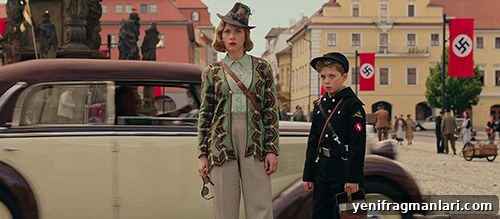
Jojo Rabbit (2019) — Review Summary
Taika Waititi’s Jojo Rabbit manages a delicate premise with surprising tenderness and satirical bite. The story of a child with an imaginary Hitler could easily become a crude joke, but Waititi uses the setup to expose the absurdity of extremist propaganda and to humanize people who may have been swept along by terrible ideas. The mother-son relationship at the film’s center is both believable and moving, and the visual approach—storybook-like yet grounded—helps the movie strike a balance between comedy and emotional weight. Ultimately, it argues that empathy and honest conversation can make a difference.
7. Little Women
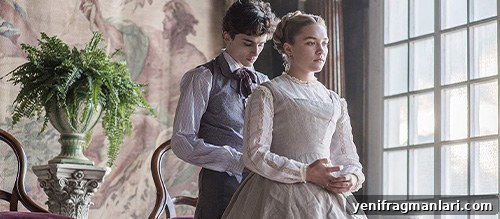
Little Women (2019) — Review Summary
Greta Gerwig’s adaptation of Little Women refreshes a classic through bold editing and contemporary visual choices. Intercutting the story’s timelines and using distinct lighting palettes—blues versus warm yellows—Gerwig creates a modern reading of the material without losing its period charm. Her framing, costume choices, and production design highlight the sisters’ artistic struggles and aspirations. Saoirse Ronan leads a superb ensemble, and the film’s focus on creativity and self-definition makes this interpretation feel both daring and heartfelt.
6. Marriage Story
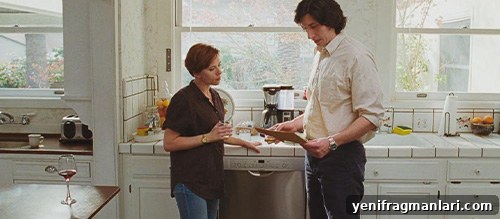
Marriage Story (2019) — Review Summary
Noah Baumbach’s Marriage Story is a raw, intimate portrayal of a relationship dissolving. Adam Driver and Scarlett Johansson deliver performances that make ordinary conversations feel profound; the camera often lingers on simple domestic moments that reveal character in subtle ways. Baumbach’s use of long takes and restrained cinematography allows the actors space to exist naturally within the frame, and the film nails the small humiliations, miscommunications, and tendernesses that come with ending a life together. It’s a tough, humane look at divorce that feels deeply lived-in.
5. Knives Out
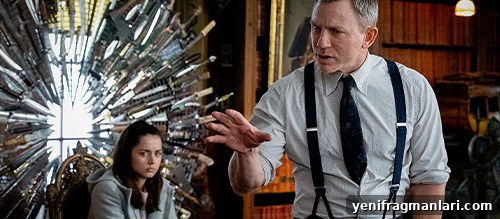
Knives Out (2019) — Review Summary
Rian Johnson’s Knives Out is a modern whodunit that blends classic mystery mechanics with sharp contemporary wit. Its visual design is bold and clever: recurring motifs—like an artful arrangement of knives—anchor the film, while distinct set dressing helps viewers keep track of different spaces. The editing smartly differentiates past events from present investigation, and the script uses small, apparently throwaway character moments to enrich the mystery. It’s both crowd-pleasing and smart, a revival of the clever murder mystery for modern audiences.
4. Uncut Gems
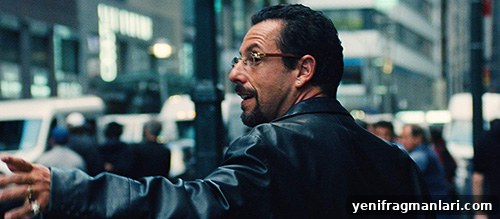
Uncut Gems (2019) — Review Summary
The Safdie Brothers’ Uncut Gems is a visceral study of obsession. Adam Sandler’s Howard Ratner is a charismatic, self-destructive gambler, and a single scene—where he convinces Kevin Garnett’s character that a prized opal is part of “how I win”—captures the film’s relentless energy. The movie succeeds because it makes Howard’s compulsions feel immediate and human; his pursuit of an illusory triumph is both tragic and magnetic. The film’s tension is sustained like a wire taut with risk, making it as intense a character study as it is a thriller.
3. Once Upon a Time… In Hollywood
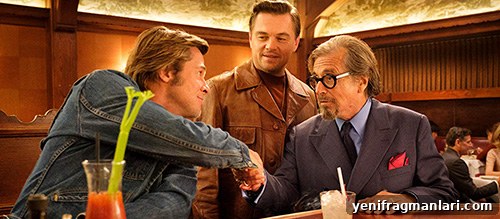
Once Upon a Time… In Hollywood (2019) — Review Summary
Quentin Tarantino’s love letter to late-1960s Hollywood is steeped in nostalgia and cinematic knowledge. The film recreates an era through music, costume, and immersive production design, reflecting both the cultural shifts of 1969 and the language of film itself. Leonardo DiCaprio and Margot Robbie anchor the piece with characters who embody different facets of the movie business, while Brad Pitt brings a rugged charisma that celebrates old-school screen heroes. It can feel indulgent, yet its craftsmanship and affection for cinema make it compelling even for skeptics.
2. Parasite
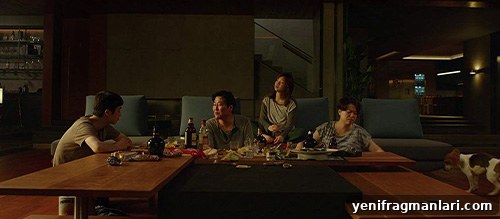
Parasite (2019) — Review Summary
Bong Joon-ho’s Parasite could easily claim the top spot for many viewers. It follows a lower-income family in South Korea as they gradually insinuate themselves into the lives of a wealthy household. The film pulls back the curtains on class, identity, and self-perception with clever plotting and tonal dexterity, blending dark humor and genuine dread. Moments that are silly on the surface often reveal deeper social commentary, and its quieter, bleak passages underscore the absurdity and tragedy of inequality. For anyone seeking a tightly plotted, narratively driven film from 2019, this is an essential pick.
1. The Lighthouse
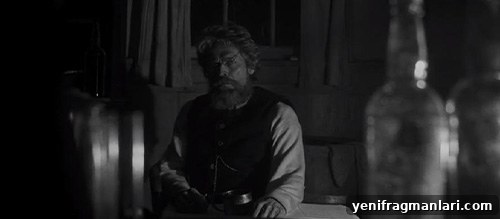
The Lighthouse (2019) — Review Summary
For viewers who favor strangeness and ambiguity, Robert Eggers’ The Lighthouse stands out as 2019’s most daring work. Stripped of contemporary cinematic polish, the film relies on stark black-and-white cinematography, confrontational performances, and mythic imagery to create a claustrophobic, hallucinatory experience. The narrative is intentionally elliptical, and the pacing forces the audience into the same disorientation the characters suffer. Without offering definitive answers, the film layers literary and folkloric allusions, leaving space for viewers to interpret its meaning. Its final sequences are unforgettable and rank among the year’s most striking moments; for many, this is the pinnacle of modern, Lovecraft-tinged horror.