
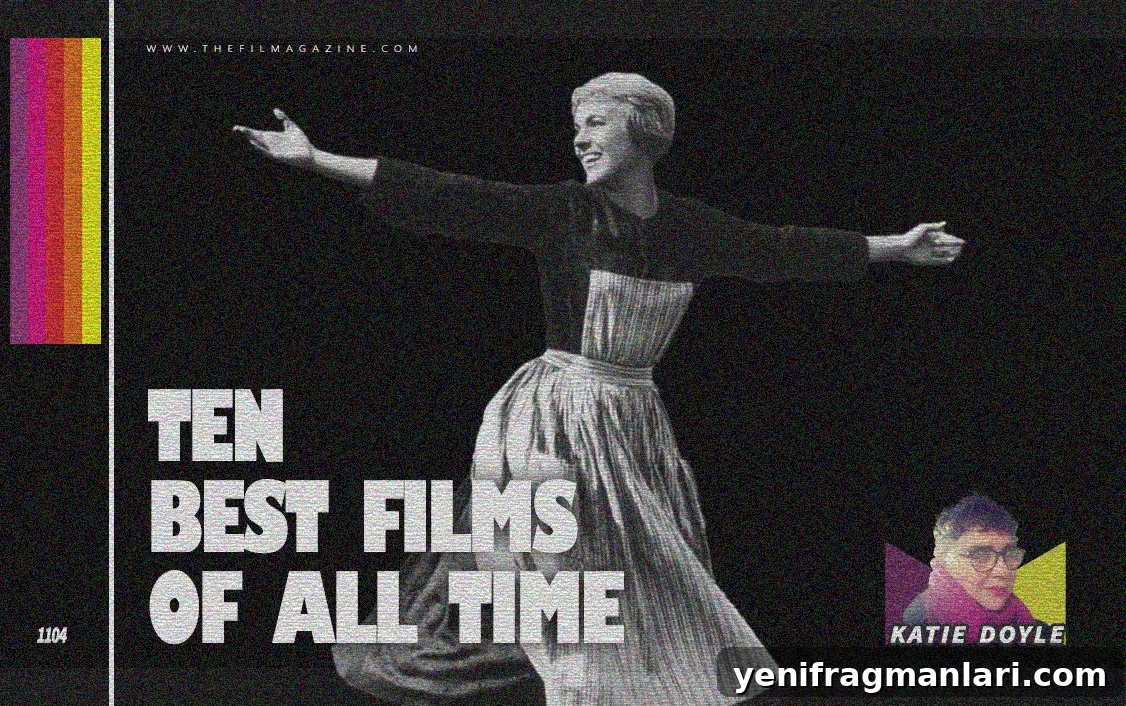
Compiling a list of the 10 greatest films of all time is a daunting task. Even knowing that no list can be definitive, there is an unavoidable pressure when weighing so many factors. Do we value box-office success or popularity? Do we focus on writing, direction or acting? Is story more important than performance? In reality, all these elements matter, along with more abstract qualities like theme, cultural impact and emotional resonance. The films included here are ones that have profoundly moved me. Cinema is an art form that enchants through time and space, and in this list art is judged by its emotive power.
Follow me on X (Twitter) – @Katie_TFM
10. Ben-Hur (1959)
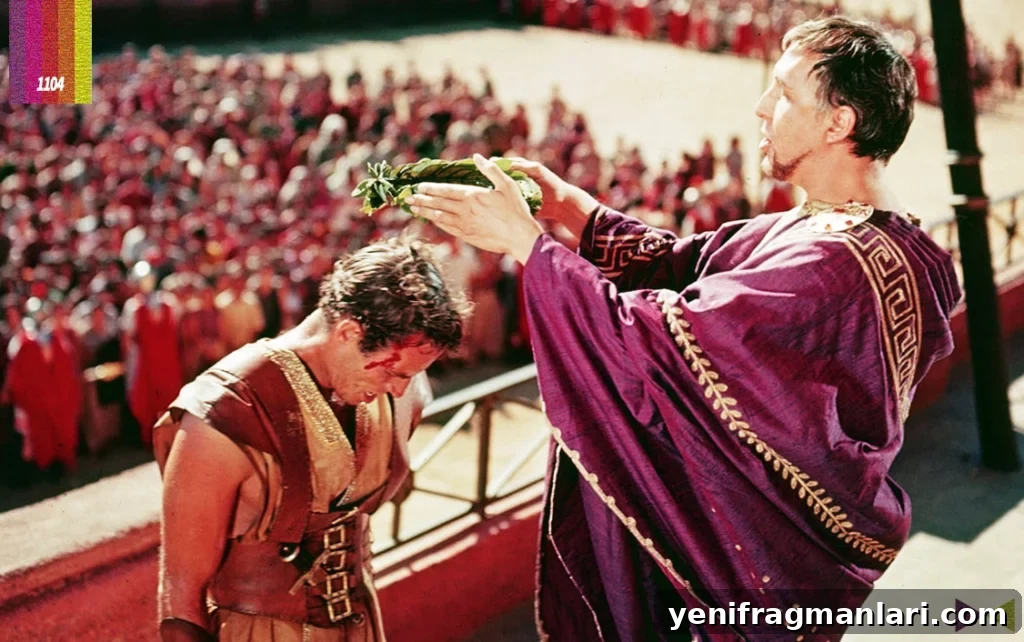
William Wyler’s Ben-Hur is often considered the definitive religious epic and a crowning achievement of classical Hollywood filmmaking. This 1959 adaptation of Lew Wallace’s novel blends spectacle with human drama: Charlton Heston’s intense performance in the title role, the staggering chariot sequence filmed on an 18-acre set with thousands of extras, and a story of treachery, revenge and redemption all combine to powerful effect.
The film’s brief depiction of Christ — shown faceless and offering water to the suffering Judah Ben-Hur — remains remarkably moving and helped the picture gain rare approval from religious authorities. Ben-Hur was also a financial lifeline for MGM, becoming one of the highest-grossing films when adjusted for inflation, and it earned historic recognition at the Academy Awards, winning 11 Oscars including Best Picture. Its influence endures in countless homages and parodies across popular culture.
9. Snow White and the Seven Dwarfs (1937)
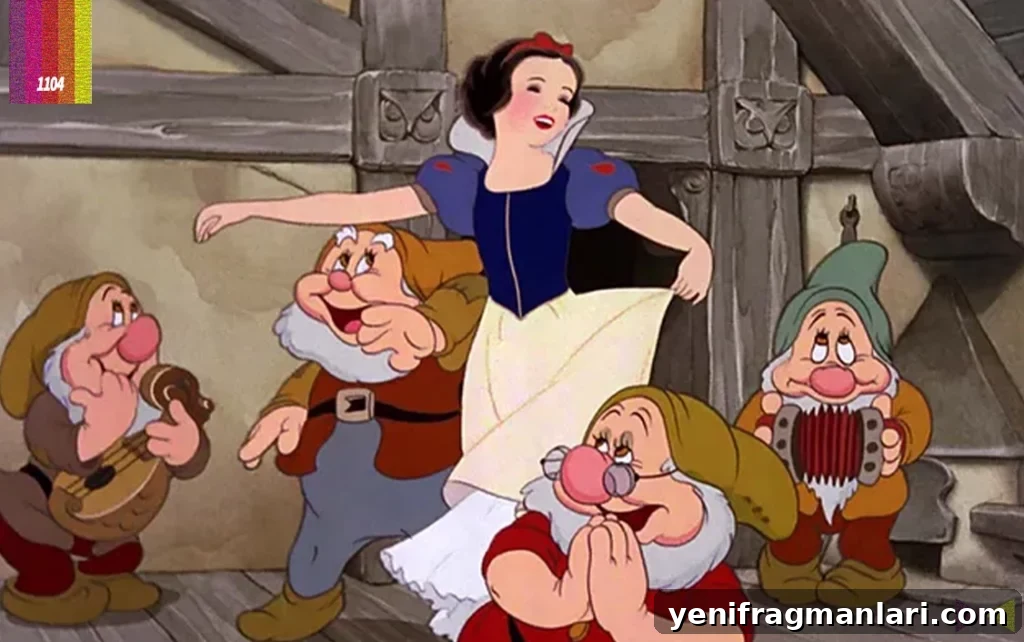
Snow White is not only one of the most beautiful films on this list; it is the foundation of a global entertainment empire. Based on the Brothers Grimm fairy tale, Disney’s first feature-length animated film was once derisively called “Disney’s folly” but its success financed the Burbank studio and secured animation as a major cinematic form. Adjusted for inflation, it remains the highest-grossing animated film ever.
The painstaking hand-drawn and hand-painted animation — with stories of animators spending months on single moments — produced unforgettable character work, especially the Queen’s regal menace and the dwarfs’ charm. Snow White set animation standards for decades and launched practices such as movie-related merchandising and soundtracks that became pillars of the studio’s success. Nearly a century on, it continues to captivate children and adults alike, cementing its legendary status.
8. Get Carter (1971)
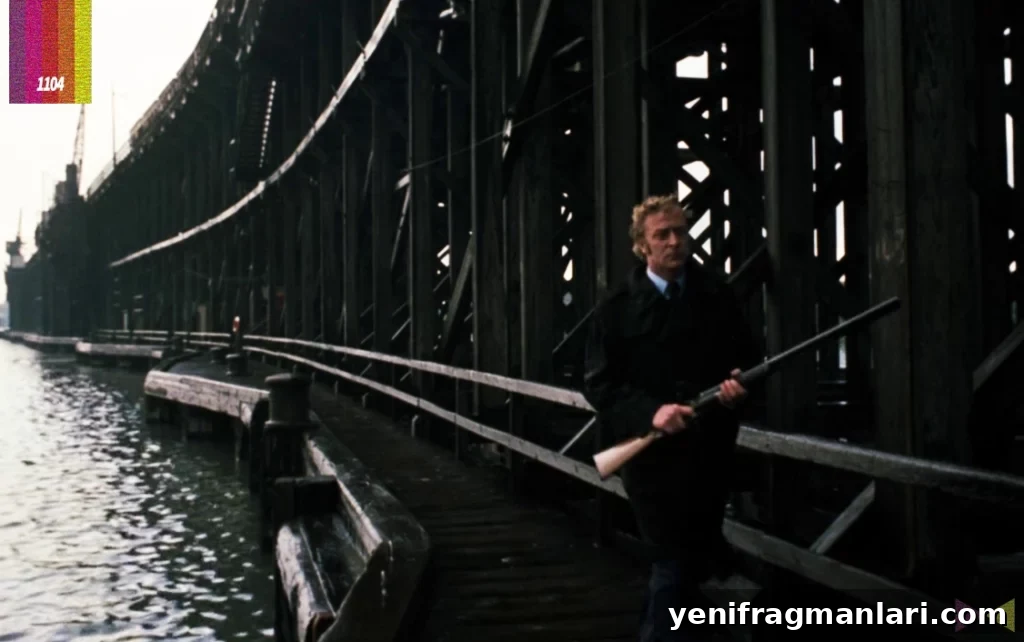
Get Carter is a quietly devastating British crime film that redefined the gangster genre in the UK. Directed by Mike Hodges and adapted from Ted Lewis’s novel, its economical storytelling, Michael Caine’s cold, controlled performance and Roy Budd’s iconic jazz score combine to create a film that feels both of its time and timeless.
Shot on location in Newcastle upon Tyne, the film uses the gritty urban landscape and industrial decay of early-1970s Tyneside to underscore its message: crime brings degradation and despair. Get Carter captures the disappearance of 1960s optimism and the darker mood of the new decade, leaving a lasting impression with its stark, uncompromising conclusion.
7. The Lord of the Rings: The Fellowship of the Ring (2001)
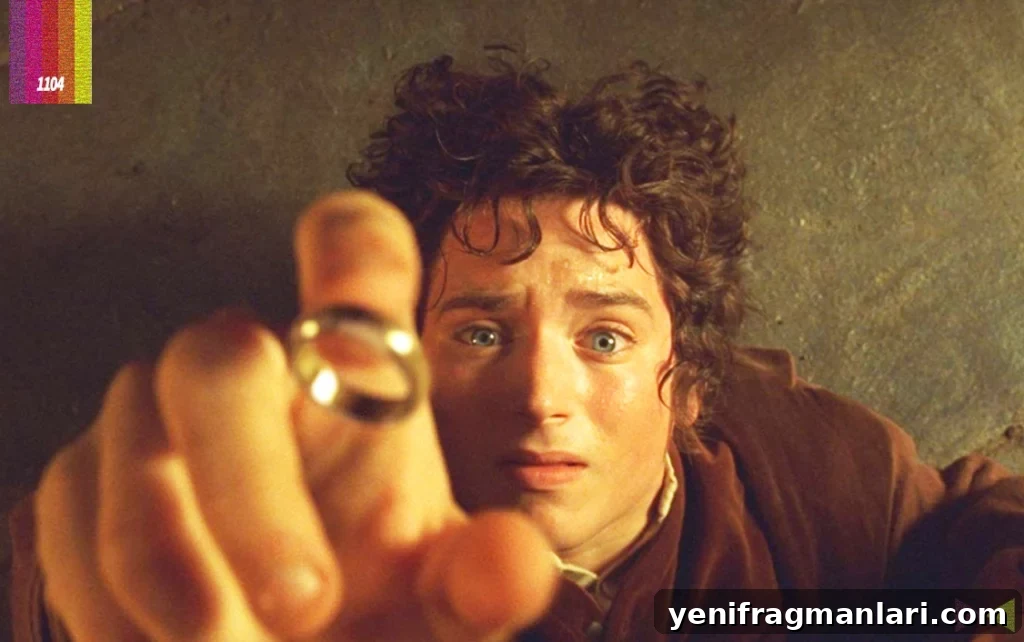
Peter Jackson’s The Fellowship of the Ring is a cultural phenomenon of the 21st century. Despite occasional dismissals of blockbuster trilogies, the film’s emotional power is undeniable: the score, the performances, the depth of world-building and the themes of courage, friendship and hope resonate deeply. Released in December 2001, the film arrived at a fraught historical moment and since then has offered solace and inspiration for audiences facing the trials of modern life.
Jackson’s faithful adaptation of J.R.R. Tolkien treats the source material with reverence. Tolkien’s wartime experience and literary depth give the story a genuine moral weight, and the film captures that heartbreak and hope. The Fellowship remains a moving reminder that even small acts of bravery and kindness can shine in dark times.
6. The Exorcist (1973)
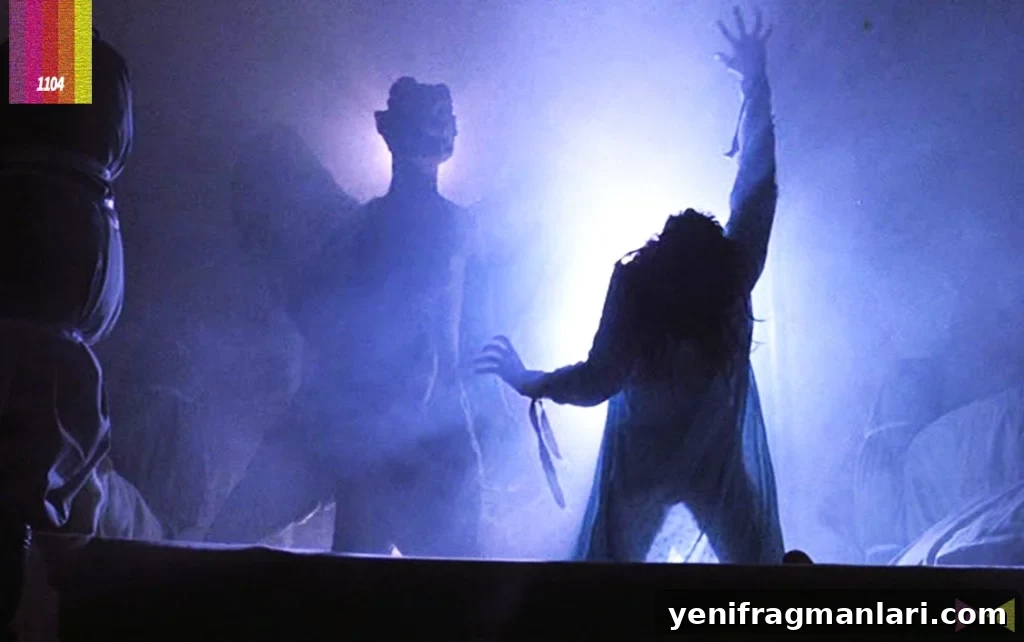
Few films immerse audiences as completely as The Exorcist. William Friedkin’s adaptation of William Peter Blatty’s novel elevated horror beyond cheap shocks to a film that explores grief, loss of faith and societal anxieties. Its visceral effects and the cultural frenzy around fainting and vomiting in cinemas during its initial run amplified its legend, but the film’s enduring power comes from its intelligence and dramatic depth.
The Exorcist uses possession as an allegory for the fears of a generation grappling with social change, medical uncertainty, and the breakdown of traditional family structures. Rather than revel in sensationalism, the film treats its subject with seriousness and realism, blending medical investigation with religious rites to make the possibility of evil feel terrifyingly plausible. The final image of hope — a priest illuminated as he exits his car — leaves viewers with the conviction that good can still prevail.
5. Psycho (1960)
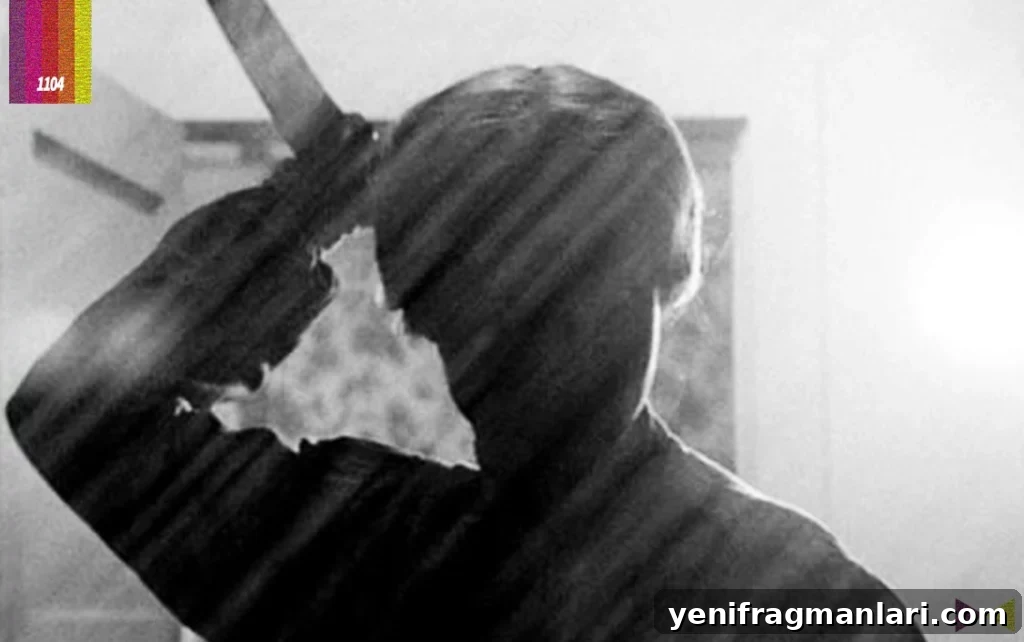
Alfred Hitchcock’s Psycho is a landmark in film history and a masterclass in direction, narrative misdirection and atmospheric tension. Part creative challenge, part commercial experiment, Hitchcock crafted a low-budget black-and-white film that revolutionised promotional strategy and storytelling. He guarded the film’s twist fiercely and used his public persona to build anticipation, pioneering techniques of audience management that resonate in modern marketing.
More than the famous shower scene, Psycho succeeds because Hitchcock builds empathy for Marion Crane before the shocking turn, and because Anthony Perkins gives Norman Bates a complex, sympathetic ambiguity. The film’s tragic approach to horror and its modern sensibility mark it as one of cinema’s most influential works.
4. Lawrence of Arabia (1962)

David Lean’s Lawrence of Arabia is an epic that continues to intimidate and inspire. Based on T. E. Lawrence’s Seven Pillars of Wisdom and starring Peter O’Toole, the film combines sweeping cinematography, on-location authenticity and a complex psychological portrait of a man who belongs fully to no world.
Filmed in the desert landscapes real to Lawrence’s journey, the movie’s visual achievement is unmatched: the scale is achieved with hundreds of extras and groundbreaking lenses that captured the vastness of the terrain. Yet beneath the grandeur is a human story of identity, ambition and the moral ambiguity of imperial politics. Lawrence of Arabia remains a moving, immersive experience that deepens our understanding of a turbulent historical moment.
3. 2001: A Space Odyssey (1968)
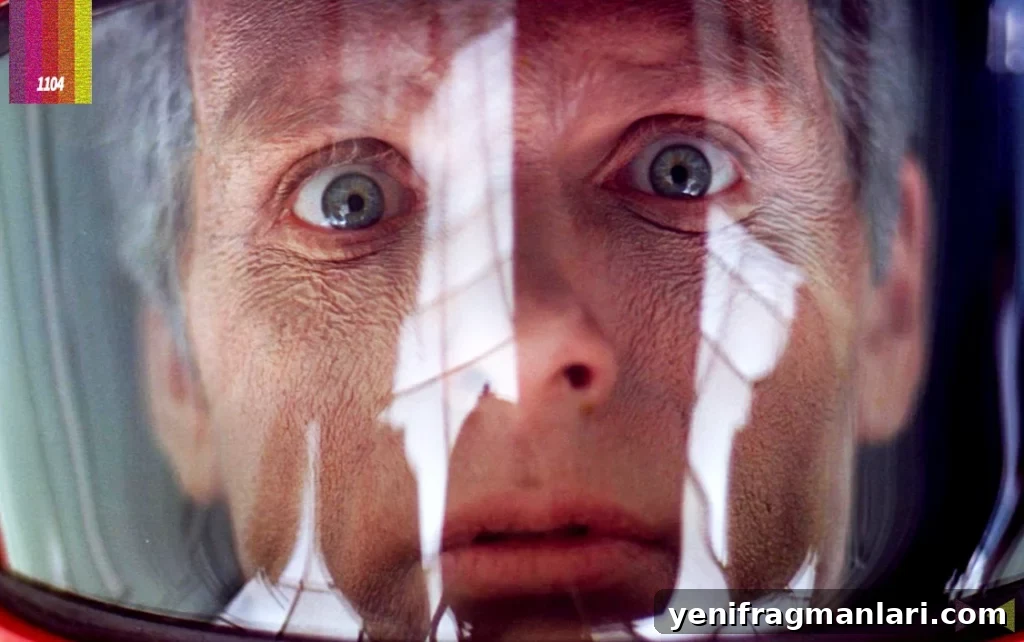
Stanley Kubrick’s 2001: A Space Odyssey is a cinematic masterpiece — an experience rather than just a film. Its meticulous special effects, visionary design and profound thematic sweep changed the way audiences think about science fiction and filmmaking. Kubrick’s pursuit of realism, collaborating with experts and pushing visual techniques such as slit-scan photography, produced sequences that remain stunning decades later.
The film’s iconic black monolith and enigmatic finale invite reflection and multiple interpretations, from spiritual to scientific. 2001 challenges viewers intellectually and emotionally, and its influence on culture and subsequent filmmaking is immeasurable.
2. Midnight Cowboy (1969)
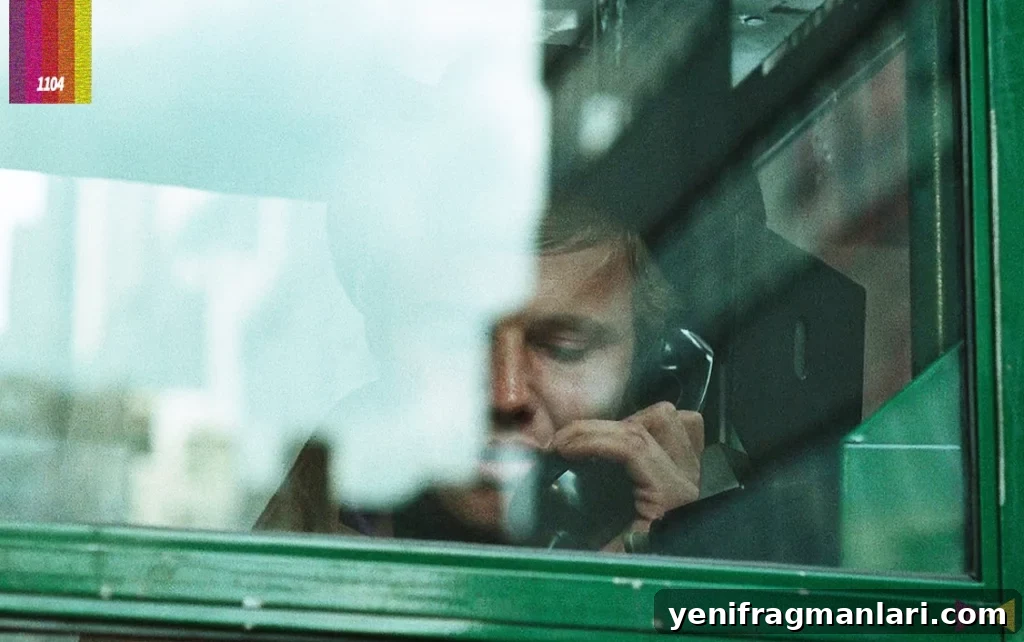
Midnight Cowboy asks why certain stories endure while others fade. John Schlesinger’s film about Joe Buck (Jon Voight) and the ailing con-man Ratso (Dustin Hoffman) is a raw, unflinching portrayal of survival, companionship and longing in New York City. The relationship between Joe and Ratso, subtly rendered and open to interpretation, was groundbreaking in 1969 and remains deeply affecting.
Though it faced controversy and an X rating at the time, Midnight Cowboy won Best Picture and changed the landscape for more honest, adult storytelling in cinema. The film doesn’t preach; it presents the dignity and desperation of its characters with fierce realism, culminating in a bittersweet, tragic finale that lingers long after the credits.
1. The Sound of Music (1965)
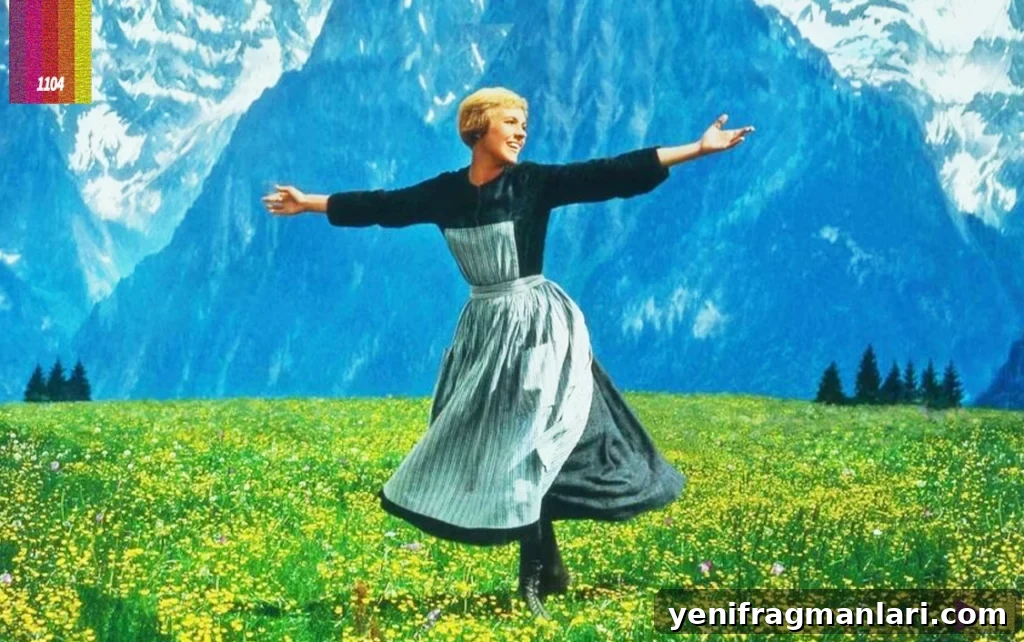
The Sound of Music is, for many, the purest embodiment of cinematic joy. Based on the Rodgers and Hammerstein musical and the real Maria von Trapp’s story, the film has delighted audiences across generations. Its universal appeal — spirited heroine, wounded but redeemed patriarch, children who capture your heart, and an unforgettable score — helped make it one of the most successful films of its era.
Beyond box-office records and a best-selling soundtrack that stayed on the charts for months, The Sound of Music succeeds because of its simplicity and emotional honesty. It balances lightness with darker historical stakes: the family’s escape from the rise of Nazism gives the story urgency and moral clarity, while the interpersonal joys and tensions make the characters feel real and lovable. In uncertain times, the film’s message — that love, courage and small acts of kindness can lift us through hardship — continues to resonate.