
The Zone of Interest (2023)
Director: Jonathan Glazer
Screenwriter: Jonathan Glazer
Starring: Christian Friedel, Sandra Hüller
Sit comfortably, but not too comfortably. The conveniences that surround modern life—devices built from materials mined under exploitative conditions, networks that scar landscapes, consumer goods produced in sweatshops—often rest on unseen suffering. Jonathan Glazer’s The Zone of Interest forces us to confront this uncomfortable truth by drawing a direct, chilling line between domestic normality and industrial-scale atrocity. The film locates its drama just beyond the garden fence of the Höss family home: on the other side lie the camps of Auschwitz. Glazer’s approach is unnervingly simple and starkly effective—he shows us the ordinary rhythms of a household and, in doing so, exposes the intimate proximity of monstrous crimes.
The Holocaust remains one of the greatest human tragedies of the twentieth century: a systematic genocide that resulted in the deaths of six million Jewish people between 1941 and 1945. Films that depict the direct suffering of victims are vital; they document, memorialize, and demand witness. Glazer’s film complements that tradition by turning the camera toward the domestic lives of perpetrators and by showing how ordinary existence and bureaucratic cruelty coexisted in the same physical and psychological space. Based on Martin Amis’ novel of the same name, the film deliberately refuses sympathy for its characters; instead, it scrutinizes their mundane habits to reveal the moral void at the heart of their lives.
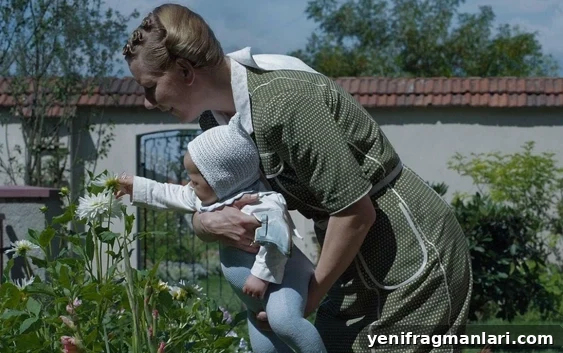
The Zone of Interest follows the Höss family—Klaus Höss, a senior officer at Auschwitz, his wife, their children, and the household staff who maintain the home attached to the camp. They garden, bathe in the river, make plans, gossip, and arrange social outings. Their ordinary conversations and domestic preoccupations are rendered with painstaking detail, which makes each moment more disturbing because the viewer knows what lies just out of frame. The film’s power comes from this contrast: everyday gestures are shot and staged to highlight the gulf between domestic comfort and the machinery of genocide. The family’s normality is precisely what makes their complicity unfathomable.
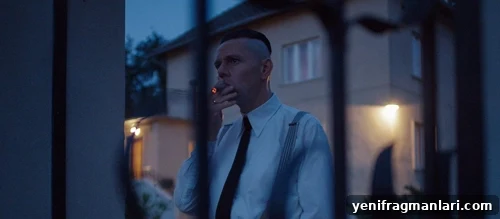
Christian Friedel and Sandra Hüller embody their roles without inviting audience empathy. Their performances are calibrated to avoid redemption; they are not monsters in grotesque caricature but people whose habits and desires feel familiar, and that familiarity is the horror. They argue, dream of holidays in other authoritarian states, neglect their children by entrusting them to servants, and participate in twisted power dynamics. Whenever the film hints at a relatable emotional strand, it immediately repudiates it, reminding the viewer that moral identification is misplaced. This refusal to humanize the perpetrators in conventional ways is a deliberate ethical stance: Glazer prevents the film from offering psychological excuses, instead exposing how ordinary pride, vanity and domestic routine can coexist with—and even enable—atrocity.
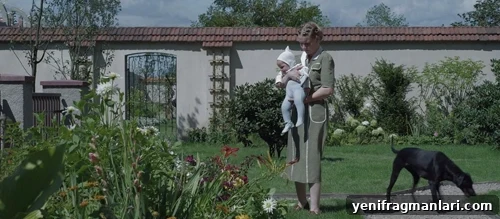
Cinematographer Łukasz Żal collaborates with Glazer to produce some of the decade’s most memorable imagery: compositions that are clinical, precise, and chilling. The camera observes with a cool, almost forensic detachment, showing rooms, routines and objects in ways that accumulate unease. Within minutes the viewer knows the layout of the Höss house as intimately as its inhabitants do, and that familiarity becomes a narrative device—familiarity breeds not comfort, but dread. Every framing decision reinforces the film’s thesis: the worst horrors often exist within the bounds of the familiar, and normal appearances can conceal unfathomable cruelty.
Silence plays a crucial role in the film’s sound design. Where many films rely on music to cue empathy or manipulate emotion, Glazer strips away such cues to make the viewer acutely aware of ambient sound and the implications of what is not shown. Mica Levi’s sparse, unsettling score appears only where it deepens the sense of moral and emotional disorientation. Editing, rather than a traditional connective score, frequently signals the presence of violence and systemic terror—jarring cuts and juxtaposition turn ordinary actions into moral indictments.
This film is not an easy watch, nor is it meant to be. It is a restrained, unsparing study of how ordinary lives participated in, rationalized, and normalized extraordinary evil. As with Glazer’s earlier work, Under the Skin, the filmmaker pursues a deeply personal cinematic language—one that uses form and restraint to get under the viewer’s skin. The result here is a film that does not merely recount historical facts but compels contemporary reflection: how quickly can societies drift back into complacency? How many modern comforts rest on unseen suffering?
Ultimately, The Zone of Interest stands as one of the most powerful cinematic examinations of its subject in recent memory. It is crafted with intelligence, discipline, and moral clarity. The film’s uncompromising stance—its refusal to offer easy emotional anchors or facile redemption—makes it an essential work that will stay with viewers long after the credits roll.
Score: 24/24
⭐⭐⭐⭐⭐
Recommended reading: Oscars 2024 Nominations – Full List (article reference)