
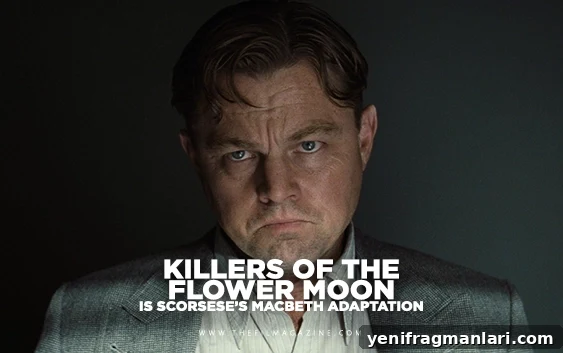
Killers of the Flower Moon (2023) has, at the time of writing, grossed approximately $138 million worldwide against a reported $200 million budget. While the film’s long-term financial picture will be shaped by streaming deals and home media sales over years, the conversation it has generated goes beyond box office numbers. Central to those discussions is how the film represents Native Americans—specifically the Osage Nation—and how mainstream cinema frames stories of colonization, exploitation, and injustice.
Public and critical responses have varied widely. Some view the film as an overdue spotlight on a brutal episode in American history: the systematic targeting and murder of Osage people for their oil-rich land. Others argue the film can feel like an extended depiction of violence against a community, raising questions about audience consumption and cinematic responsibility. Regardless of these perspectives, it’s important to understand what the film is primarily trying to do thematically.
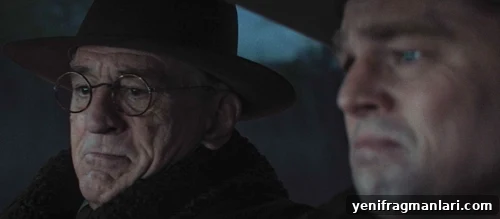
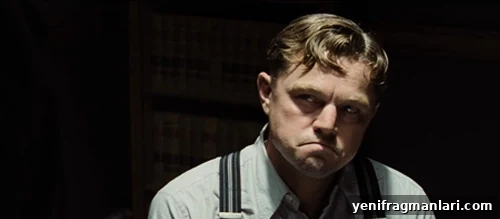
On the surface, Scorsese’s adaptation of David Grann’s book traces real events: the marriages, betrayals, and murders carried out by white locals so that they could inherit Osage wealth. But beneath that factual scaffolding, the film functions as a character study of power, persuasion, and moral collapse. The narrative centers on Ernest Burkhart (Leonardo DiCaprio) and his relationship with William King Hale (Robert De Niro). More than a historical chronicle, the film explores how a dominant, manipulative figure exploits a pliable, conflicted man to achieve greed-driven goals.
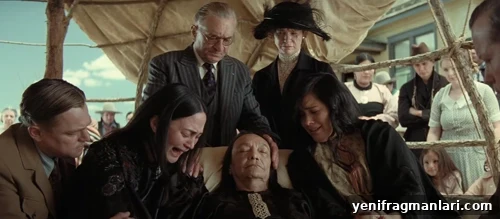
Viewed through a literary lens, the film echoes themes from William Shakespeare’s Macbeth: ambition stoked by an outside influence, moral hesitation, psychological unraveling, and escalating violence to secure ill-gotten power. Ernest mirrors Macbeth in key ways. Both men return from war, both are susceptible to persuasive voices urging them toward atrocity, and both find themselves trapped by choices that demand ever-more extreme measures. King Hale functions as a whispering corrupter, the human analogue to Lady Macbeth’s manipulative presence in Shakespeare’s tragedy.
Lady Macbeth’s famous counsel—”look like the innocent flower, but be the serpent under’t”—resonates with how characters in the film present benevolence while hiding predatory intent. William Hale positions himself as a benefactor in public life, fluent in Osage language and generous in appearance, yet orchestrates calculated schemes to seize wealth. Similarly, manipulations of trust and the performance of goodwill mask the underlying exploitation that drives the film’s tragedies.
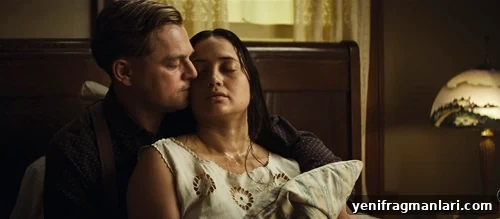
Like Macbeth, Ernest hesitates, questions, and at times recoils from the gravity of his crimes. He repeatedly relies on others to carry out murders, attempting to distance himself even as he grows more complicit. Molly, Ernest’s wife, serves a complex role in the narrative: loved by Ernest yet victimized by the very plot that binds him to Hale. In structural terms she parallels several Shakespearean archetypes—authority, conscience, and ultimately the catalyst for outside intervention.
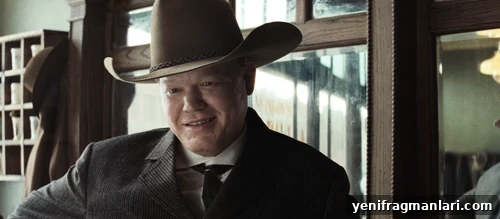
The film’s second half introduces federal investigators led by Tom White (Jesse Plemons). Their arrival fulfills the narrative role of a corrective force similar to Macduff and the opposing army in Macbeth. The Bureau of Investigation’s presence propels the story toward accountability, and it reframes Ernest’s turmoil: he faces not only legal consequences but the collapse of any remaining moral justification for his actions. The discovery and exposure of those crimes becomes the mechanism through which the oppressive structures are challenged.
Scorsese’s film does not simply retell Shakespeare. The murders, the victims, and the historical figures involved are real, and the cinematic parallels to Macbeth are one interpretive frame among many. The similarity highlights archetypal patterns—how persuasive evil operates, how ordinary people can be drawn into atrocity, and how institutions and communities respond when corruption becomes visible.
The film’s choices also underline enduring questions about storytelling and historical memory. Shakespeare drew on histories, prophecies, and folklore to illuminate human folly; similarly, this film refocuses a tragic chapter of American history in ways that prompt reflection about greed, racial violence, and the mechanisms of exploitation. That these themes reappear across centuries—from Elizabethan drama to contemporary cinema—speaks both to storytelling’s persistent power and to humanity’s failure, at times, to learn from past injustices.
Ultimately, the film invites viewers to consider multiple layers at once: the historical crimes committed against the Osage Nation, the personal moral collapse of those who enabled those crimes, and the broader social patterns that allowed exploitation to flourish. Whether judged as a historical drama, a character study, or a modern echo of classic tragedy, Killers of the Flower Moon forces a confrontation with the costs of greed and the human toll of systemic violence.
This reading does not diminish the real suffering portrayed nor does it mythologize the criminals involved; rather, it shows how certain narrative structures recur because they capture persistent features of human behavior: manipulation, moral compromise, and the struggle for justice. The film’s resonance—literary, historical, and cinematic—underscores how storytelling remains one of the primary ways we wrestle with uncomfortable truths about power and its abuses.