
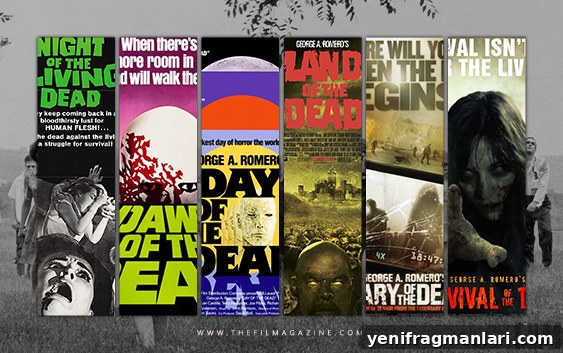
George A. Romero is often credited as the father of the modern zombie film, and with good reason. Before his landmark 1968 feature Night of the Living Dead, the word “zombie” typically evoked the image of voodoo-controlled, mindless servants from Caribbean folklore. Romero reimagined the creature as a shambling, flesh-eating threat that would go on to become one of contemporary cinema’s most recognizable monsters. Romero’s vision reshaped horror and popular culture, establishing the rules and tone for decades of zombie storytelling that followed.
In this Ranked feature, we examine Romero’s six “Dead” films, ranking them from least to greatest. We consider their social commentary, storytelling, technical craft, and the emotional impact each film leaves behind.
6. Diary of the Dead (2007)
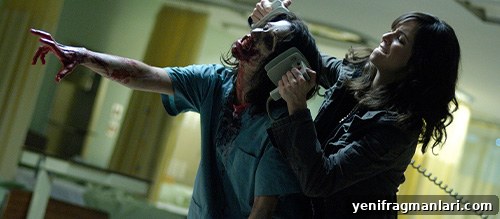
Diary of the Dead finds Romero engaging directly with the modern obsession with recording life through cameras and social media. Framed as a film-within-a-film titled The Death of Death, it follows a group of film students documenting the early stages of a zombie uprising. The movie leans into the found-footage style popular at the time, but the addition of an overt soundtrack and other editorial flourishes undercuts the “authentic” feel this format usually relies on.
Compared to Romero’s other entries, Diary is the most uneven. Its characters are thinly drawn, performances are inconsistent, and the film’s critique of media saturation is delivered with blunt force rather than subtlety. While the premise is timely and relevant, the execution lacks the emotional depth and character engagement found in the director’s stronger works.
5. Survival of the Dead (2009)
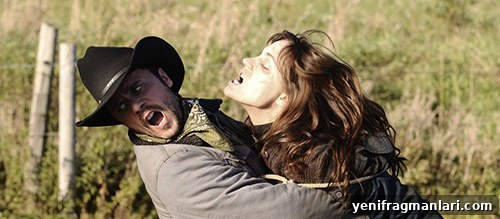
Romero’s final film as director follows Sergeant Crockett and a band of rogue soldiers who arrive on Plum Island, where two Irish families are at war over how to handle the dead. The characters in Survival of the Dead are broader and more defined than those in Diary, which helps the film feel more cinematic despite its modest ambition.
The story has moments of dark humor and creative kills, and Kenneth Welsh provides memorable color as the O’Flynn patriarch. However, unconvincing digital effects and limited zombie action hold the film back from achieving the dramatic or thematic resonance found in Romero’s best work. It remains an interesting late entry, notable for its riffs on stubborn tradition and island politics amid the apocalypse.
4. Land of the Dead (2005)
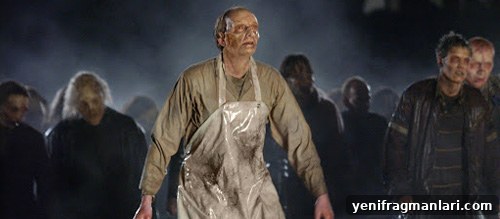
Land of the Dead granted Romero his largest production budget, enabling a broader canvas and a larger horde of undead. Set in a partially functioning Pittsburgh, the film explores class division and power through the figure of Kaufman, a leader who lords over survivors from the safety of a fortified tower. Scavengers piloting an armored vehicle called the Dead Reckoning supply the compound, giving the film kinetic action and set pieces.
The standout element is Big Daddy, an intelligent undead who catalyzes a kind of zombie uprising. His presence injects sympathy and complexity into the horde, driving the narrative tension between the complacent elite and the liberated dead. While Land of the Dead favors spectacle over the quieter psychological observation of earlier films, it remains one of Romero’s most entertaining and visually ambitious works.
3. Day of the Dead (1985)
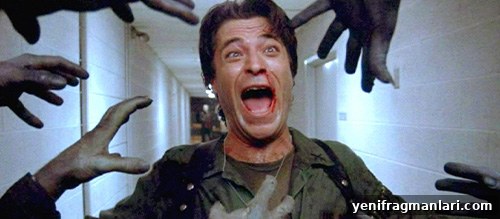
Day of the Dead dramatizes Romero’s mistrust of militarized authority and institutional control. The survivors are split between scientists who hope to understand or rehabilitate the undead and soldiers led by the brutal Captain Rhodes, whose authoritarian impulses threaten the fragile group dynamic. The film takes place in an underground bunker, creating a pressure-cooker atmosphere that intensifies interpersonal conflict.
Initially criticized as inferior to Dawn, Day has since benefited from reappraisal. Its central questions — whether the undead can be taught, whether violent institutions can be redeemed, and how humanity behaves under extreme stress — resonate strongly. Sherman Howard’s portrayal of Bub, a re-educated zombie with flashes of cognition, provides one of the most haunting and humane performances in Romero’s oeuvre. The film’s climax, a confrontation between human cruelty and undead stubbornness, remains powerful and unsettling.
2. Dawn of the Dead (1978)
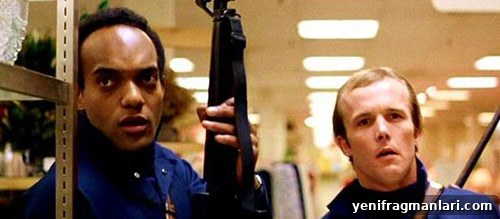
Dawn of the Dead expands the director’s social satire by trapping survivors inside a shopping mall, a perfect stage for Romero’s critique of consumer culture. Peter, Fran, and their companions turn the mall into a fortress stocked with comforts and luxuries, but their material security only masks deeper anxieties. Boredom, temptation, and interpersonal tensions begin to corrode the group from within.
Technically, Dawn benefited from the talents of special effects artist Tom Savini, whose prosthetics and makeup elevated the visual horror and helped define the look of Romero’s undead for a generation. The film balances visceral spectacle with incisive commentary, making it a high point in Romero’s career and one of the most influential zombie films ever made.
1. Night of the Living Dead (1968)
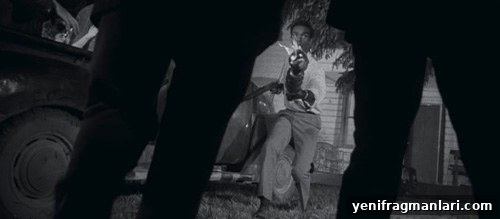
Night of the Living Dead tops Romero’s filmography for its radical impact on the horror genre. Made on a modest budget, the film demonstrates how atmosphere, performance, and tight storytelling can transform limitations into strength. From the opening cemetery scene where Barbra and her brother Johnny encounter the first ghouls to a farmhouse besieged by the undead, Night builds relentless tension rooted in human behavior as much as in external threat.
Romero’s insistence that humanity’s responses—fear, prejudice, and violence—can be as monstrous as the creatures outside is central to the film’s enduring power. The finale remains stark and devastating, a potent coda that has only grown in cultural significance since 1968. Night of the Living Dead is essential viewing for filmmakers and horror fans alike.
About the author: Written by Scott Z Walkinshaw
Which of Romero’s Dead films is your favorite? Would you rank them differently? Share your thoughts and reflections on these films and how they shaped the zombie genre.
Support the author on social platforms: Twitter: @scottfuzz · Letterboxd: /scottfuzz