
The Wild Robot (2024)
Director: Chris Sanders
Screenplay: Chris Sanders
Starring: Lupita Nyong’o, Pedro Pascal, Kit Connor, Matt Berry, Catherine O’Hara, Ving Rhames, Mark Hamill, Bill Nighy, Stephanie Hsu
DreamWorks Animation’s The Wild Robot feels like a confident step into a new era for the studio. Directed and scripted by Chris Sanders and adapted from Peter Brown’s 2016 children’s book, the film blends tender storytelling with bold visual choices to deliver a family-friendly drama about survival, belonging, and the meaning of care. For viewers who miss the imaginative high points of the 1990s animation boom or those who have celebrated recent innovations from studios like Pixar and Sony, this film offers both nostalgia and forward-looking craft.
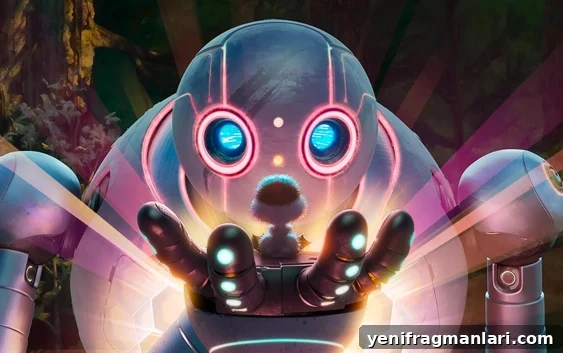
The premise is elegantly simple: an assistance robot named Roz washes ashore on a remote, uninhabited island after a maritime accident. Voiced with emotional clarity by Lupita Nyong’o, Roz begins her mission to survive and to help. Early in the film she discovers a single gosling egg and, through a series of compassionate decisions and unanticipated challenges, becomes a parent figure. What follows is a thoughtful coming-of-age and found-family story that explores themes of parenthood, community, animal behavior, and the ethics of intervention in nature.
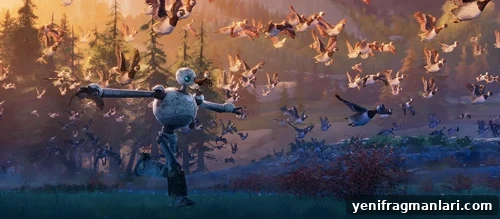
Visually, The Wild Robot stands out. DreamWorks leans into a painted aesthetic that honors the book’s illustrative roots while giving the film a distinctive, tactile look. Backgrounds and landscapes often resemble watercolor or oil textures, which makes every frame feel like part of a living picture book. This stylistic choice also helps the film balance wonder and menace: the island is lush and beautiful, yet inhabited by a range of wildlife—foxes, bears, geese, porcupines—whose interactions with Roz create believable stakes and emotional tension.
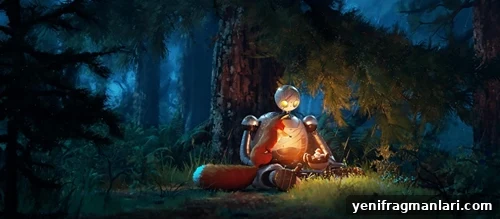
Character animation and design are used with clear intent. When danger approaches, creatures move with convincingly predatory energy; when the film calls for warmth, the animation softens, inviting empathy. The result is a film that appeals to children—through playful sequences, adorable baby animals, and emotional clarity—and to adults, who will appreciate the thematic depth and visual craft. The Wild Robot manages to be both immediate and resonant: it holds a child’s attention with clear narrative beats while offering adults layered reflections on responsibility, adaptation, and interdependence.
Lupita Nyong’o anchors the film with a nuanced performance. She modulates Roz’s voice from robotic reserve to gradually expansive warmth as the character learns and evolves. Nyong’o’s work makes Roz convincing as both machine and caregiver, creating a central performance that is restrained when necessary and deeply expressive when the story asks for it. Pedro Pascal provides charming support as Fink the fox, lending roguish charisma and a lively counterpoint to Roz’s earnestness. The ensemble cast—including distinct contributions from Matt Berry, Bill Nighy, Catherine O’Hara, Ving Rhames, and Mark Hamill—gives the supporting animal characters strong, memorable personalities.
The screenplay avoids heavy-handed moralizing while still engaging with contemporary concerns such as animal welfare, community responsibility, and the tension between technology and the natural world. The film’s pacing allows quiet moments to breathe; scenes of domestic tenderness and interspecies learning are balanced with sequences of survival and peril. DreamWorks’ production design and soundscape further immerse the audience in island life, making the setting feel immediate and emotionally consequential.
From a studio perspective, The Wild Robot reinforces the idea that DreamWorks is capable of producing visually adventurous and thematically rich features. The film’s creative risks—particularly the decision to use a painterly visual language for a major animated release—pay off, giving the movie an identity that separates it from the more conventional 3D animation output of the last decade. This is the sort of project that can appeal to festival audiences and mainstream family viewers alike.
In short, The Wild Robot is a moving, beautifully rendered film that balances heartfelt emotion with striking visuals. It will make young viewers giggle, cheer, and sometimes sob; it will give adults reasons to reflect and to smile. Whether you’re a parent looking for meaningful family entertainment or an animation enthusiast hoping for innovation from a major studio, this film is well worth seeking out in theaters.
Score: 22/24
Rating: 4 out of 5.
Recommended reading: DreamWorks Animated Films Ranked (1998–2020) — an overview of the studio’s evolution and notable releases.