
Poor Things (2023)
Director: Yorgos Lanthimos
Screenwriter: Tony McNamara
Starring: Emma Stone, Mark Ruffalo, Willem Dafoe, Ramy Youssef, Christopher Abbott, Jarrod Carmichael, Margaret Qualley, Kathryn Hunter, Suzy Bemba, Hanna Schygulla, Vicki Pepperdine
Poor Things, adapted from Alasdair Gray’s acclaimed 1992 novel, stands as one of Yorgos Lanthimos’ most unexpectedly moving and entertaining films. Known for unsettling works like Dogtooth and The Killing of a Sacred Deer, Lanthimos retains his distinctive strangeness here while delivering a film that balances deep emotion and broad, laugh-out-loud comedy. The result is a boldly imaginative piece that will likely bring even skeptical viewers along for a singular cinematic ride.
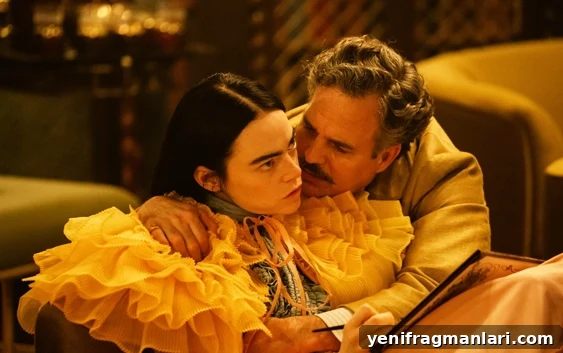
The story opens with Dr Godwin Baxter (Willem Dafoe), an eccentric and reclusive surgeon who reanimates a young woman, Bella (Emma Stone). Bella awakens with the mind of a child and little knowledge of the world. Baxter attempts to educate and shelter her in an enclosed, controlled environment, but the arrival of the charming and roguish lawyer Duncan Wedderburn (Mark Ruffalo) upends those plans. Wedderburn whisks Bella away on a globe-spanning journey that floods her with new sensations and experiences. As Bella explores desire, curiosity, and independence, she moves away from the men who sought to define and confine her.
Lanthimos’ signature tone — an eerie mixture of deadpan absurdity and precise formalism — is present from the start. The film’s first act uses a deliberately stylized visual vocabulary: fisheye lenses, grotesque physical humor, and unsettling creature designs populate Dr Baxter’s mansion. Those choices establish a heightened world that draws on Victorian social codes while also referencing romantic painting and early cinema’s theatrical, handcrafted effects. The film often feels like a modern Georges Méliès production, achieved with contemporary craft and a generous budget.
Visually, Poor Things is divided into clear chapters, each marking a new phase of Bella’s development and each characterized by a distinct color palette and cinematographic approach. Cinematographer Robbie Ryan adapts his style to reflect Bella’s changing inner life: the more she learns and embraces the world, the more the film shifts from surreal oddity toward magical realism. As her sexual awakening and emotional growth accelerate, the narrative becomes both more grounded and more expansive.
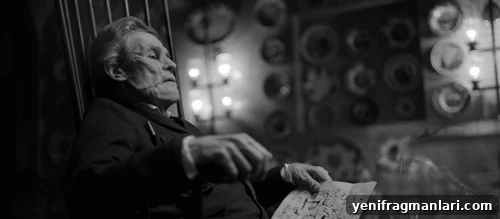
The casting reinforces the film’s emotional core. Willem Dafoe brings gravitas and an unsettling tenderness to Dr Baxter, while Mark Ruffalo channels slippery charm and latent cruelty as Wedderburn. But it is Emma Stone who anchors the film completely. Stone delivers a fearless, versatile performance that navigates Bella’s uncanny innocence, comic timing, and aching vulnerability. She transforms a potentially gimmicky premise into a fully realized character: lively, curious, and defiantly human.
At its heart, Poor Things interrogates power and control. Lanthimos repeatedly returns to these themes across his work: who exerts authority, how that authority is enforced, and how it can be challenged. Bella’s relationships with the men around her — the paternal Dr Baxter, the submissive Max McCandles (Ramy Youssef), and the domineering Wedderburn — map different forms of patriarchal control. Each character, whether out of protectionism, desire, or vanity, attempts to shape Bella’s life. As Bella gains agency and intellect, those dynamics shift, often revealing the predators in sympathetic disguise.
Sexuality is presented frankly and without shame. Lanthimos stages erotic scenes that are usually celebratory and sex-positive; they emphasize pleasure and discovery rather than exploitation. Bella’s uninhibited appetite for life — from food and dance to sex and adventure — becomes a form of emancipation. Her reaction to Paris, for example, reframes conventions: what might be portrayed as degradation in another film appears here as autonomy and resourcefulness.
Poor Things is a strikingly original comic fantasy that skewers 19th-century sexual politics while reflecting on inequalities that persist today. It’s a provocative, compassionate fairy tale about selfhood, resilience, and the right to define one’s own life. Lanthimos and his collaborators have crafted a film that challenges expectations and celebrates curiosity. If anything, the movie leaves you wanting more figures like Bella Baxter—unapologetically curious, resilient, and intent on breaking free from lingering patriarchal constraints.
Score: 23/24
Rating: 5 out of 5.