
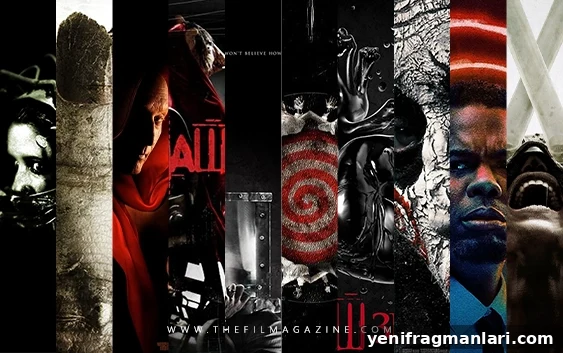
Horror franchises are often dismissed by mainstream critics, and the Saw series is frequently derided as “torture porn.” Yet since its 2004 debut from Leigh Whannell and James Wan, the franchise has proved highly profitable, becoming one of the top horror series at the American box office. Built around a reliably lucrative Halloween release pattern, the films have polarized audiences while creating a distinct legacy in contemporary horror.
The Saw franchise centers on John Kramer, better known as the Jigsaw Killer (Tobin Bell), a terminally ill vigilante who traps people he considers morally corrupt and forces them to survive brutal, elaborate contraptions. Kramer believes surviving such ordeals will redeem people—even as the survivors are often left physically and psychologically scarred. As the series progresses and Kramer succumbs to cancer, loyal followers carry on his mission using meticulous plans, pre-recorded instructions and a proliferation of deadly devices. The recurring hallmark—Jigsaw’s recorded voice declaring “I want to play a game”—and the shocking set pieces defined the series’ identity.
After the original film in 2004, the franchise produced sequels nearly every October through 2010, with later entries including Jigsaw (2017), Spiral (2021), and Saw X (2023). Below is a ranking of every Saw film to date, ordered by creativity, tension and shocking spectacle.
10. Saw IV (2007)
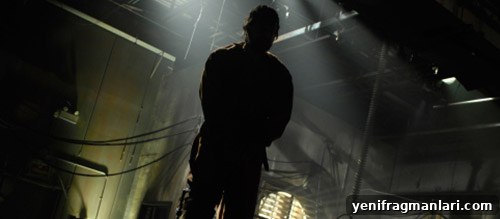
Saw IV largely continues the established formula: grisly traps, moral lectures and flashbacks to deepen John Kramer’s backstory. With Kramer already dead by this installment, much of the film relies on previously recorded evidence and indirect manipulation. While the traps remain inventive, the film lacks narrative focus and feels meaner and less nuanced than earlier entries. It functions primarily as a gore-driven attraction, offering little beyond shocking visuals and rubbery practical effects. For many viewers, this is the franchise entry that most clearly embodies the “torture porn” label.
9. Saw: The Final Chapter / Saw 3D (2010)
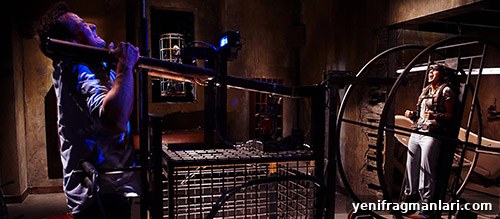
Marketed as a finale and later rebranded with a 3D gimmick, this entry leans heavily into spectacle. The decision to emphasize daylight scenes and vibrant bloodtones reflects a focus on short-term box-office impact rather than durable storytelling. The film delivers an audacious twist—one that many found more shocking than sensible—and ends in an exhibitionist flourish. A potentially interesting idea, like a survivors’ support group, is underdeveloped, leaving the film as a visually noisy but narratively thin conclusion.
8. Saw V (2008)
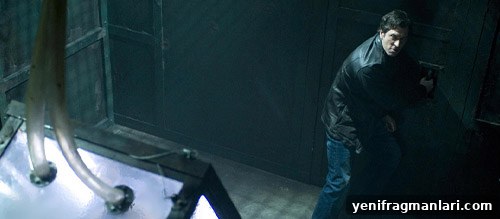
Director David Hackl brings a grim visual style and some memorable sequences—an opening riff on “Pit and the Pendulum” stands out. This chapter follows Detective Hoffman as he adopts Jigsaw’s methods, while the FBI closes in. Costas Mandylor’s Hoffman is less subtle than Kramer, and the film’s explanation for his cruelty strains credibility. Tobin Bell’s flashbacks continue to add depth, and the film finishes with a striking visual. Though it recycles familiar beats and moralizing themes, it still supplies grisly entertainment and an effective, if derivative, ending.
7. Jigsaw (2017)
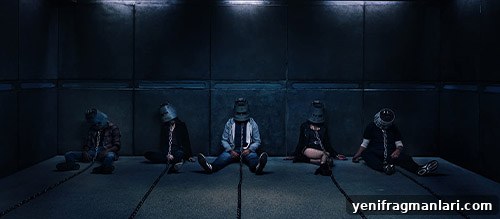
The 2017 revival by the Spierig Brothers lands as a competent return to form. Jigsaw respects series conventions while introducing fresh traps and fan-service references. The film builds toward a finale that hints at new directions for the franchise and features inventive set pieces—such as a claustrophobic silo sequence and a memorable laser-collar trap. While the new characters are thinly sketched and the tension occasionally undercooked, the movie provides enough novelty and craftsmanship to be a welcome continuation for fans.
6. Spiral: From the Book of Saw (2021)
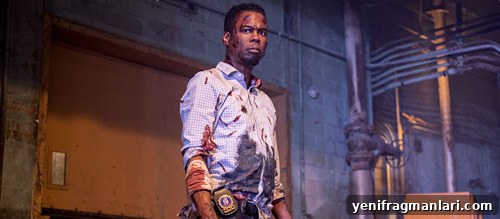
Spiral attempts to merge the Saw formula with a gritty police thriller. Chris Rock plays Detective Zeke Banks, a cop navigating corruption within his own department while facing a Jigsaw copycat targeting dirty officers. Rock dials back his comedic persona to inhabit a more somber detective role, and Samuel L. Jackson appears as his legendary-law-enforcement father. The film provides satisfying nods to franchise history and inventive traps, though it often relies on familiar beats and clumsy exposition. As a hybrid entry, Spiral keeps fans engaged but rarely transcends franchise expectations.
5. Saw II (2005)
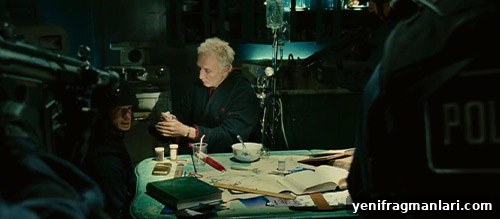
Saw II expands the scale and brutality of the original but loses some of its predecessor’s tight plotting. Darren Lynn Bousman introduced more elaborate, cruel traps and placed a larger ensemble in a Cube-like, room-of-death scenario. Donnie Wahlberg’s protagonist serves as a decent focal point, while Tobin Bell’s Kramer is further examined through revealing flashbacks. The film satisfies those seeking visceral thrills, even if it sacrifices some of the original’s suspense and clever economy.
4. Saw VI (2009)
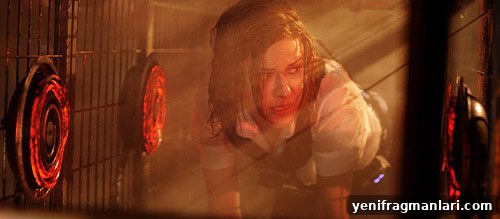
Originally conceived as a grand finale, Saw VI stands out for its polished cinematography and intense visual composition. Director Kevin Greutert favors dramatic framing and hellish lighting, elevating the series’ aesthetic. The traps feel especially vicious here, and the film’s critique of medical insurance hypocrisy grounds the horror in a more recognizable real-world grievance. Though the mythology grows increasingly convoluted, this entry balances social commentary with the franchise’s trademark shock value in an oddly satisfying way.
3. Saw X (2023)
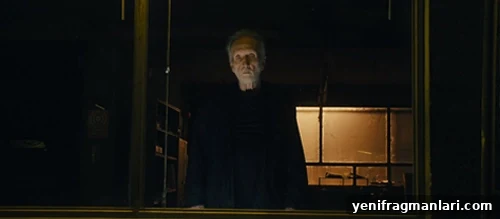
Saw X returns the series to a more focused portrait of John Kramer, telling a story set shortly after the first film. With Tobin Bell and Shawnee Smith reunited, the film blends intimacy and scope as the duo target fraudulent cancer healers in Mexico. Saw X features some of the franchise’s best practical effects, nastier traps and heightened character moments for Kramer, making the film a highlight for long-time fans and a rare entry that centers Kramer fully as the protagonist.
2. Saw (2004)
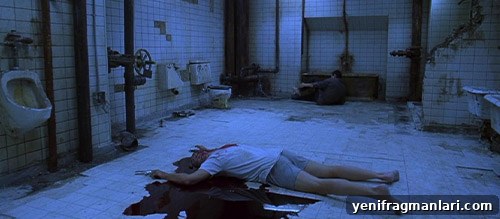
The original Saw remains the franchise’s strongest and most memorable entry. A taut, low-budget thriller that combines mystery, moral extremism and shocking violence, the film introduced Kramer’s warped logic: he compels victims to make terrible choices in the name of redemption. James Wan and Leigh Whannell crafted a tightly controlled narrative in which perspective, concealment and revelation play central roles. Beyond the gore, Saw’s enduring power lies in its tight plotting and the unsettling ethical questions it raises about justice, culpability and vigilante righteousness.
1. Saw III (2006)
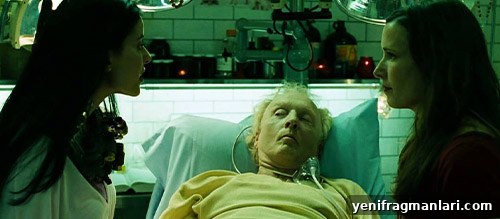
Saw III combines emotional weight with depravity to produce the franchise’s most rounded and compelling installment. The film focuses on human cost: a surgeon forced to keep Kramer alive as her own life hangs in the balance, and a grieving father driven by vengeance. Tobin Bell remains magnetic as Kramer, but Shawnee Smith’s Amanda proves terrifying in her unpredictability—an apprentice who lacks Kramer’s twisted restraint and becomes more monstrous in her zeal. The screenplay ties together major storylines and delivers inventive, grotesque set pieces alongside surprising empathy for the characters. Saw III balances craftsmanship, emotional stakes and shock in a way the rest of the series rarely matches.
Have you watched the entire Saw series? Do you agree with this ranking? Share your thoughts and which entries you found most effective. Updated to include Saw X (October 6, 2023). Originally published October 18, 2020.