
Rye Lane (2023)
Director: Raine Allen-Miller
Screenwriters: Nathan Bryon, Tom Melia
Starring: David Jonsson, Vivian Oparah, Poppy Allen-Quarmby, Simon Manyonda, Benjamin Sarpong-Broni
Americana influences are hard to avoid in the UK—film, music and popular culture have long borrowed from the imagery and mythology of the United States. Yet Raine Allen-Miller’s Rye Lane confidently flips that script, celebrating South London with an affectionate, vibrant eye. Instead of wishing for an American-style ode to hometown pride, Allen-Miller gives us a distinctly British love letter: a romcom that embraces local specificity, bustling streets and the small dramas of everyday life.
At its heart, Rye Lane follows two people who spend a single day together and, in doing so, find connection, comfort and unexpected clarity. That simple premise could have felt slight, but the film builds its warmth through authentic conversations, layered character moments and a keen sense of place. Scenes are stitched together not as a parade of plot points but as fragments of a day that becomes memorable precisely because of the people in it.
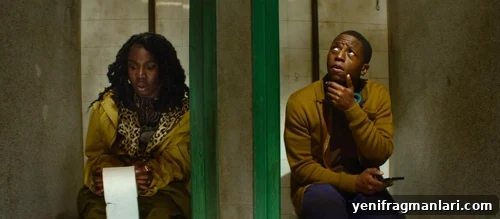
The film opens with Dom (David Jonsson) in a gender-neutral bathroom, overcome by the pain of a recent breakup. He refers to the split as “the” breakup, the dominant rupture in his life that everything else orbits around. Dom is grounded: loved by his family, established in a career that matches his studies, comfortable in his identity. It’s the relationship loss that tips his balance. When Yas (Vivian Oparah) overhears his soft, ill-timed sobs, she refuses to let him hide behind the noise of flushing toilets. Their meeting—sparked by empathy and a little awkwardness—sets a tone of gentle humor and human connection that carries the film.
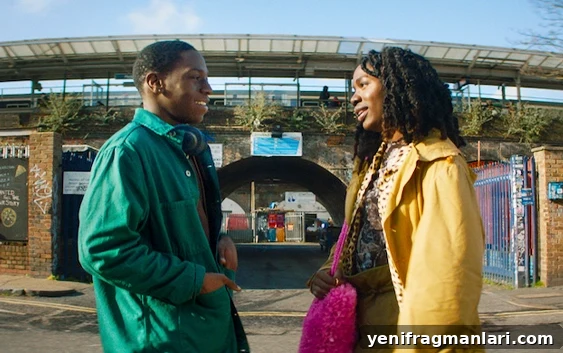
From that moment, Dom and Yas wander through Peckham and beyond, their banter revealing contrasting personalities and complementary vulnerabilities. Dom, an accountant home after a painful separation, is measured and slightly resigned. Yas, an aspiring costume designer, projects confidence and resourcefulness, even as she nurses her own heartbreak. Their conversations peel back layers: an ex who cheated with a childhood friend, petty revenge staged with comic precision, dreams of better futures and the small compromises that shape ordinary lives.

What makes Rye Lane sing is its attention to the details that populate modern London life. The film peppers its frames with background stories, idiosyncratic characters and local landmarks—some familiar, others feeling newly invented but utterly plausible. These flourishes create the sense that the city itself is a character: diverse, noisy, unpredictable and alive with possibility. It’s the kind of representation that resonates because it feels true to how people coexist here, often in tightly packed neighborhoods where lives intersect in surprising ways.
A recurring, quietly comic tension in the film comes from a London-specific dilemma: the illusion of a 24-hour city versus the practical limits imposed by transport. Yas longs to push the night on and linger, chasing spontaneity; Dom weighs the very real consequences of missing buses and trains. That small, relatable conflict—so familiar to anyone who has negotiated late-night travel in the city—adds an authentic texture to the characters’ decisions and highlights how mundane constraints can shape romantic narratives.
Allen-Miller’s direction favors immediacy and warmth. Camera work and editing keep the pace brisk without ever feeling rushed, while the production design and costumes accentuate personality. The wardrobe, in particular, reflects Yas’s creative ambitions and Dom’s steadier, understated presence. Performances are natural and alive, with Jonsson and Oparah finding a chemistry that balances humor and tenderness. Supporting players populate the world fully, each small role contributing a lived-in quality that enhances immersion.
Critics might point to the film’s predictability—a hallmark of many comforting romcoms—and indeed, Rye Lane rarely surprises by narrative swerve. But the film offsets that predictability by amplifying the little things: gestures, asides, and background life that suggest deeper histories. Each scene contains movement and texture; every conversation implies a life beyond the frame. The result is a movie that feels both familiar and immediate, like overhearing a stranger’s story that suddenly becomes your own.
Ultimately, Rye Lane is a portrait of two imperfect people discovering a measure of peace in one another. It’s not a grand treatise on love or fate, nor does it claim to reinvent the romcom. Instead, it offers a lesson in simplicity: that connection can arrive in an ordinary day, that beauty is often found by paying attention, and that a city’s character emerges from the people who inhabit it. For viewers who appreciate character-driven storytelling, lively urban settings and warm, human comedy, the film is an engaging, heartfelt watch.
Score: 20/24
Rating: 4 out of 5.
By Rob Jones
If you enjoy films that foreground place and personality, Rye Lane is a fresh and affectionate example of contemporary British romcom storytelling. Its strengths lie in lived-in performances, a palpable sense of South London and a willingness to find warmth in the small, everyday moments.