
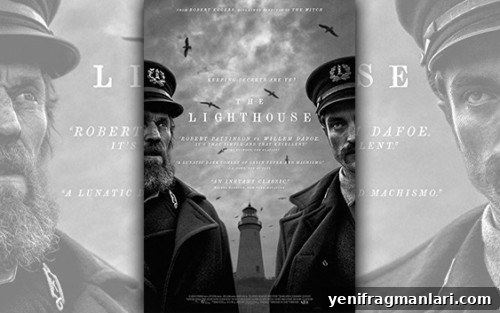
The Lighthouse (2019)
Director: Robert Eggers
Screenwriter: Robert Eggers, Max Eggers
Starring: Willem Dafoe, Robert Pattinson, Valeria Karaman
Few films sustain their atmosphere from the opening shot through the final frame the way this one does. Robert Eggers’s The Lighthouse is a meticulously crafted piece of psychological horror that thrives on tension, mood, and a sense of mounting dread. It’s the kind of film that benefits greatly from a theatrical viewing: the immersion created by the visuals and sound design is part of the experience, and seeing it in a darkened auditorium intensifies its power.
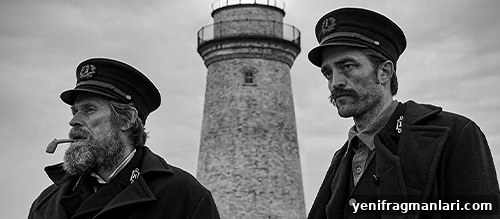
The film’s visual approach is immediately arresting. Cinematographer Jarin Blaschke composes each frame with a painterly precision, using stark lighting to carve faces out of shadow and to emphasize the oppressive isolation of the setting. The camera lingers in long takes that allow performances to unfold naturally, resisting the modern impulse to edit too frequently. Even when the film shifts into quicker montage-like sequences to convey escalation, those moments are grounded by shots that maintain clarity and intention.
Sound is a central character in this story. From the persistent blast of the fog horn to an unnerving, dissonant score, the audio design drags the audience into the same claustrophobic world that traps the keepers. The film uses sound not just to punctuate scares but to build an ambient unease that never fully leaves you — a technique that further blurs the line between external danger and internal collapse.
At the center of the film are two commanding performances. Willem Dafoe plays a grizzled, talkative veteran keeper whose tales and mannerisms recall sailors’ lore and the cadence of an older time. Robert Pattinson is his younger counterpart, more restrained at first but gradually unravelling as the strain of seclusion and the lighthouse’s mysteries wear on him. Their chemistry is a key strength: they trade barbs, share moments of dark humor, and push each other toward extremes. The dynamic between them alternates between companionship and near-mutinous rivalry, giving the film an unpredictable emotional rhythm.
The screenplay draws on seafaring superstition and mythic resonance, weaving in hints of cosmic dread and classical allusion without spelling everything out. The result feels both rooted in folklore and suggestive of larger, ambiguous forces. The film’s mythology evokes the tones of Lovecraftian unease and maritime superstition, while also nodding toward universal themes like obsession, guilt, and the collapse of identity under prolonged isolation.
One of the most impressive aspects of the film is how it uses the language of cinema itself — framing, light and shadow, extended takes, and spatial sound — to create an almost theatrical experience on screen. Rather than relying on jump scares or conventional horror tropes, the movie cultivates a slow-burn intensity. It allows dread to creep in through small details: a look, a repeated noise, a shift in behavior. These accumulative techniques make the film’s climactic moments land with greater impact.
There are moments of bleak humor that help humanize the characters and prevent the atmosphere from becoming monotonously grim. These lighter beats also serve to make the darker turns more shocking; the interplay of levity and menace keeps the audience off balance. The film’s dialogue and period-tinged speech patterns contribute to its sense of time and place, deepening the immersion and underscoring the characters’ separation from the modern world.
Ultimately, The Lighthouse is a rare example of contemporary cinema that uses form and craft to explore psychological territory in a way few films attempt. It’s an exercise in escalating ambiguity: what begins as a portrait of two men alone on a rock becomes an increasingly hallucinatory examination of power, fear, and the human capacity for self-destruction. For viewers who appreciate artful horror and films that reward attention and patience, this is essential viewing.
24/24