Thor: Love and Thunder (2022)
Director: Taika Waititi
Screenwriters: Taika Waititi, Jennifer Kaytin Robinson
Starring: Chris Hemsworth, Christian Bale, Natalie Portman, Tessa Thompson, Taika Waititi, Russell Crowe, Jamie Alexander
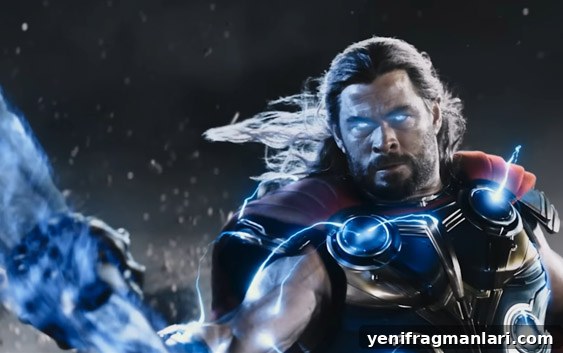
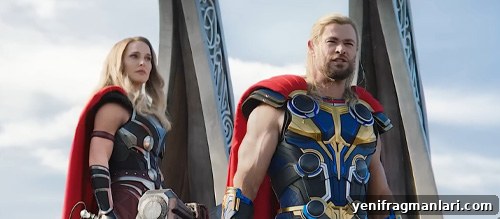
Jason Aaron and Russell Dauterman’s 2014 run introduced a memorable incarnation of the Mighty Thor: Jane Foster wielding Mjolnir while battling terminal illness. That storyline remains one of the strongest recent arcs in the comics, and it’s gratifying to see the MCU draw from it here. Natalie Portman, largely absent from the franchise since a silent cameo in Avengers: Endgame and her last full appearance in 2013’s Thor: The Dark World, returns in a role that finally gives Jane the heroic arc she deserves. Chris Hemsworth’s Thor is back too, and this film sends him into familiar emotional territory while expanding his relationships and responsibilities.
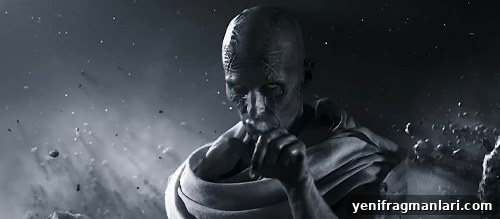
Following the events of the Infinity Saga, Thor (Chris Hemsworth) has reclaimed his physical form and is spending time with the Guardians of the Galaxy. His life is upended when Jane Foster (Natalie Portman) re-enters the picture, now empowered by Asgardian magic and able to wield Mjolnir. At the same time, a terrifying new antagonist emerges: Gorr the God-Butcher (Christian Bale), who wields a weapon that can kill gods. The film turns into, in part, a rom-com about two former lovers and the sentient hammers that complicate their reunion.
That oddball tone—equal parts romance, comedy, and superhero spectacle—feels like a natural fit for Taika Waititi. He leans into the absurdity, animating both Mjolnir and Stormbreaker with distinct personalities so they function almost as third characters in the story. Fans of the comic run will appreciate how the film gives these weapons vivid identities, which adds a whimsical but meaningful layer to Thor and Jane’s unresolved history.
Natalie Portman is the emotional and moral center of the picture. Her Jane Foster balances physical bravery with genuine vulnerability, and Portman brings depth to both aspects. Christian Bale delivers a chilling, committed performance as Gorr. He turns the God-Butcher into the franchise’s most unsettling antagonist to date—someone whose pain and rage are disturbingly understandable. Like other memorable MCU villains, Gorr’s motivations invite uneasy sympathy rather than simple hatred.
The film asks whether a world without gods would truly be better, given how many of the divine figures depicted are cruel or indifferent. Gorr’s origin, shown early and unflinchingly, explains his crusade: betrayal by gods he once trusted. Many of the non-Asgardian deities we meet are shown to be selfish or corrupt, and Russell Crowe’s flamboyant Zeus is the film’s prime example of divine decadence—an over-the-top, hedonistic ruler more concerned with excess than with addressing the threat to other gods.
Where the screenplay by Waititi and Jennifer Kaytin Robinson succeeds, it often hinges on quiet emotional beats and strong performances. But the script could have used more tightening. The first hour meanders, with Thor tagging along with the Guardians in a way that sometimes feels like filler between larger set pieces. There are moments that replay themes the character has already explored in earlier films—questions of worthiness and identity that the franchise has revisited multiple times.
Technically, the movie is uneven. Several VFX-driven sequences—an epic god brawl awash in gold, and a later set piece centered on empowerment—are visually dazzling. Yet too many scenes feel drained of texture, with characters standing in bland, plastic-looking environments that reveal budgetary or creative shortcuts. That inconsistency is particularly noticeable when compared with striking sequences like the showdown in the monochrome Shadow Realm, where high-contrast visuals and inventive lighting create some of the film’s most memorable moments.
Waititi’s comedic instincts are on full display, though sometimes they work against dramatic momentum. Recurring gags—such as the screaming goat bit—and extended storytelling beats from Korg, his amiable rock-alien creation, stretch past their funniest points and dilute tension. Korg’s repeated “let me tell you a story” moments, while charming at first, become repetitive after multiple reprises.
The supporting cast is a mixed bag. Tessa Thompson’s Valkyrie, now ruler of New Asgard, gets a handful of memorable action moments and nods to her personal life but often feels underused. Some shots of her action sequences look oddly provisional, as if visual polish was incomplete. Other ensemble members provide enjoyable beats but don’t always receive fully formed arcs, which leaves the film feeling imbalanced at times.
Ultimately, Thor: Love and Thunder is entertaining and occasionally brilliant—especially when it centers on Portman or Bale—but it never quite coheres into the consistently strong film it could be. It offers fun, emotion, and audacious visual choices, yet uneven pacing, tonal shifts, and some production shortcuts hold it back from ranking among the MCU’s very best. Fans will find much to enjoy, but this installment is more inconsistent than its strongest predecessors.
Score: 15/24
Recommended for you: Every MCU Marvel Cinematic Universe Movie Ranked