

Sam Raimi’s films—from the gore-soaked horror of his early work to the blockbuster superhero movies and the underrated genre pieces that fill his middle career—are instantly recognisable thanks to the director’s singular, energetic style.
Raimi discovered his passion for filmmaking early, making Super 8 shorts with friends and releasing his first feature, It’s Murder! (1977), when he was just eighteen. By twenty-two he had already made a definitive mark with The Evil Dead (1981), the cult horror that launched his and Bruce Campbell’s careers. Over the following decades Raimi evolved into an A-list Hollywood director, helming some of the most influential superhero films and remaining one of the industry’s most distinctive visual storytellers.
Although Raimi directs less frequently now—he has directed only a couple of features since 2009—he remains highly active as a producer, mentoring new filmmakers and helping bring bold genre films to audiences. His name attached to a project continues to generate excitement and signals a commitment to vigorous, inventive filmmaking. Below is a concise guide to where to start with Sam Raimi, highlighting several essential films that showcase the range and strengths of his career.
Evil Dead 2: Dead by Dawn (1987)
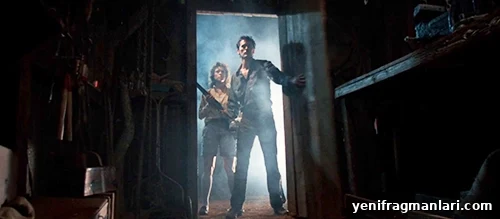
There are multiple entry points to the Evil Dead saga: the proof-of-concept short Within the Woods, the low-budget original The Evil Dead, and the more polished Evil Dead II. For most viewers, Evil Dead II is the ideal starting place. Although technically a sequel, it functions as a partial remake that reintroduces the premise in a vivid, compact way—recasting the opening act and setting the tone for the franchise.
Evil Dead II follows Ash Williams (Bruce Campbell) and his companions at an isolated cabin who awaken demonic forces after playing an audio tape of ritual recitations. Raimi turns the familiar haunted-cabin premise into an inventive, relentless blend of horror and broad physical comedy. The film refines the raw energy of the original, amplifying Raimi’s kinetic camera moves, slapstick gore, and pitch-perfect dark humor. It also codifies Ash’s character and many of the series’ signature moments and catchphrases.
If you want an immediate, unmistakable introduction to Raimi’s aesthetic—his blend of suspense, shock, and mischievous playfulness—Evil Dead II delivers it in spades. It remains a standout example of how personal vision, resourcefulness, and bravura filmmaking can transform low-budget material into enduring genre art.
A Simple Plan (1998)
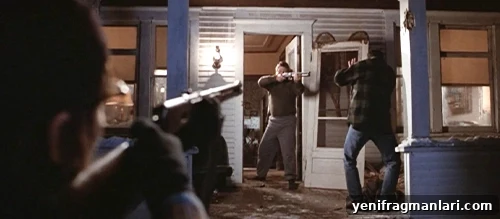
A Simple Plan is one of Raimi’s most underappreciated achievements and showcases his ability to work outside horror and blockbuster spectacle. Set in rural Minnesota, the film follows three men—Hank (Bill Paxton), his brother Jacob (Billy Bob Thornton), and their friend Lou (Brent Briscoe)—who find a crashed plane filled with millions in cash. Their decision to keep the money quickly unravels their relationships and morality, producing a tense, morally complex drama.
Here Raimi strips back the flamboyant camera tricks and delivers a taut neo-noir about guilt, greed, and the corrosive effects of secrecy. The movie rests on strong performances, particularly Billy Bob Thornton’s deeply affecting portrayal of Jacob, a character whose vulnerability and backstory provide the emotional engine for the story. Raimi’s direction keeps the film focused on character and consequence, turning a seemingly simple premise into a harrowing study of human weakness.
A Simple Plan may not display all the signature frills associated with Raimi’s name, but it arguably ranks among his finest works for its disciplined storytelling and moral clarity. It is an essential watch for anyone serious about understanding the breadth of his craft.
Spider-Man (2002)

Sam Raimi’s Spider-Man is the film that proved he could translate his distinctive visual energy to Hollywood’s biggest stage. Retelling Peter Parker’s origin—his spider bite, newfound powers, and the moral lesson that “with great power comes great responsibility”—the film balances blockbuster spectacle with earnest, human moments.
Raimi’s background in horror and his love of comic-book dynamism come together to create a film that feels true to the source material while remaining emotionally grounded. Tobey Maguire’s Peter Parker is a sympathetic, authentic lead, and Raimi’s direction allows the movie to dwell on intimate beats—Uncle Ben’s guidance, Aunt May’s grief, and Peter’s awkward courtship of Mary Jane—so the action sequences always carry real stakes. The result is a superhero movie that blends grand visual set pieces with heartfelt character work, making it an accessible entry point for viewers new to Raimi’s filmography.
Recommended reading: 10 Best Sam Raimi Movie Moments
Across horror, blockbusters, and smaller genre experiments, Sam Raimi’s films are unified by an exuberant, human sensibility. He combines technical daring with emotional clarity, whether he’s orchestrating slapstick terror in a cabin, unraveling moral dilemmas in a Midwestern winter, or reinventing a beloved comic-book hero for the big screen. Beginning with any of the films above will give a clear sense of Raimi’s range and the distinct pleasures of his cinema.