
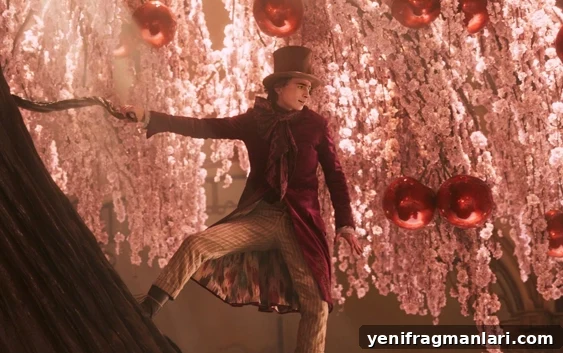
Wonka (2023)
Director: Paul King
Screenwriters: Simon Farnaby, Paul King
Starring: Timothée Chalamet, Calah Lane, Keegan-Michael Key, Paterson Joseph, Olivia Colman, Matt Lucas, Matthew Baynton, Tom Davis, Hugh Grant
Willy Wonka has always been a mysterious figure. In the classic 1971 film adaptation of Roald Dahl’s Charlie and the Chocolate Factory, Wonka is a charismatic, eccentric showman whose oddities hint at a deeper inner life but never fully reveal it. Gene Wilder’s performance left many of those layers tantalizingly unread, which preserved the character’s allure: he remained an enigma, and that uncertainty was part of his appeal. Paul King’s 2023 film, Wonka, sets out to be an origin story—an explanation of how Willy became the Wonka we meet later—but in pulling back that veil, the movie loses much of the original mystery and charm.
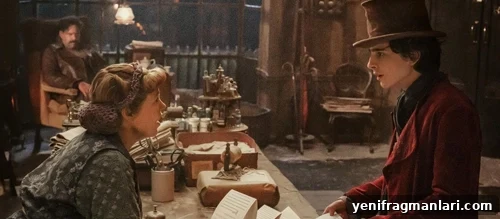
The story opens with a young, hopeful Willy disembarking from a ship and singing his upbeat “I Want” number, “Hatful of Dreams.” He arrives in an unnamed city full of promise, determined to share his chocolates with the world in the spirit his mother encouraged. Early on, the film establishes a string of obstacles: rival chocolatiers determined to sabotage him, business deception, and a disastrous contract that lands Willy in indentured servitude under the overbearing Mrs. Scrubitt. He finds allies in Noodle, a fellow orphan and worker who becomes his loyal assistant, and a ragtag group of employees who share his dream. Together they attempt to outwit the greedy competitors and win their freedom.
Timothée Chalamet often proves the most sympathetic element in the film. He brings earnestness, charm, and occasional humor to the role, and there are moments when his vulnerability works well. But his performance is uneven, often constrained by material that occasionally misses its mark. Instead of charting an internal transformation that explains how Willy grows into the bewildering genius of later years, the film treats most obstacles as external forces acting upon him. That makes the protagonist largely reactive rather than proactively shaped by his trials, which undermines the promise of an illuminating origin story.
The screenplay, from Paul King and Simon Farnaby, faces a tricky dilemma: Wonka must logically become the reclusive, unpredictable inventor we remember, yet the film avoids exploring the darker, more complex path that would credibly lead there. The result is a Wonka who arrives in most scenes already possessing the whimsy and ambition associated with the character, but without a convincing narrative arc that explains his evolution. This leaves a gap between Chalamet’s portrayal and Gene Wilder’s iconic take; the new film offers little connective tissue to reconcile the two versions.
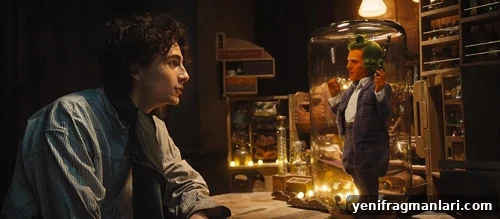
Supporting performances vary. Calah Lane and Chalamet have good chemistry, and their relationship provides some of the film’s brighter, more human moments. But many secondary characters feel thinly sketched: antagonists and side figures are often reduced to simple caricatures rather than fully realized personas. Hugh Grant’s Oompa-Loompa, Lofty, appears intermittently and relies on motion-capture design that can feel jarring. Other peripheral roles, including the comic relief and the greedy rivals, rarely rise above broad, familiar beats.
Wonka is a musical, but its songs rarely stick. Composers and writers including Neil Hannon, Joby Talbot, Paul King, and Simon Farnaby contribute to a soundtrack that aims for whimsy but often lands as forgettable. “Hatful of Dreams” and other original numbers lack emotional depth and fail to move the story forward in an essential way. Musical numbers should reveal inner life or push a plot point forward; in this film they often feel like interruptions rather than revelations. Chalamet’s voice is serviceable—clear and pleasant—but the material seldom gives him the chance to swell into something memorable. The one standout is a rendition of “Pure Imagination,” a familiar classic the film borrows, which showcases Chalamet’s best musical moment even if it does little to illuminate the original character’s origins.
Stylistically, Wonka is cleaner and softer than the surreal dreamscape of the 1971 adaptation. The earlier film’s occasionally menacing, wonder-tinged atmosphere—evocative of classic fantasy like The Wizard of Oz—is largely smoothed out here. This new Wonka is relentlessly nice, favoring sweetness over the bittersweet or satirical edges intrinsic to Roald Dahl’s work. That choice makes the movie broadly inoffensive, but it also strips away the darker social commentary and moral complexity that made the original story resonate with adults as well as children.
Regrettably, the film also reintroduces outdated comic tropes that feel tone-deaf. When physical excess is used as shorthand for greed and villainy—portrayed through a fat-suit gag for a supporting character—it relies on a crude caricature that undercuts the film’s kinder impulses. Such humor feels out of step with contemporary sensibilities and detracts from the film’s attempts at warmth and inclusivity.
Visually the film offers some charm, but several production choices limit its impact. Large portions of the action take place in the Galeries Gourmet, a stylized shopping arcade that frequently reads as small and isolated rather than expansive or wondrous. The factory sequences, intended as a central visual payoff, rarely reach the technicolor spectacle or surreal imagination that made past depictions so memorable.
At its best, Wonka is a pleasant, family-friendly musical with moments of genuine goodwill and a committed leading performance. At its worst, it strips away the mystery and edge that defined earlier interpretations and replaces them with saccharine storytelling that seldom surprises. For viewers hoping to see how the eccentric maestro turned into the baffling, brilliant recluse of the original, this film will disappoint: the transformation is implied rather than earned. For those seeking an amiable, well-meaning holiday movie, Wonka offers some charm but not enough bite to linger after the credits roll.
Score: 12/24
Rating: 2 out of 5.
Recommended reading: ‘Willy Wonka and the Chocolate Factory’ (1971) remains a cultural touchstone and continues to inspire discussions about adaptation, tone, and how much mystery a beloved character should retain.