
5. Pride & Prejudice (2005)
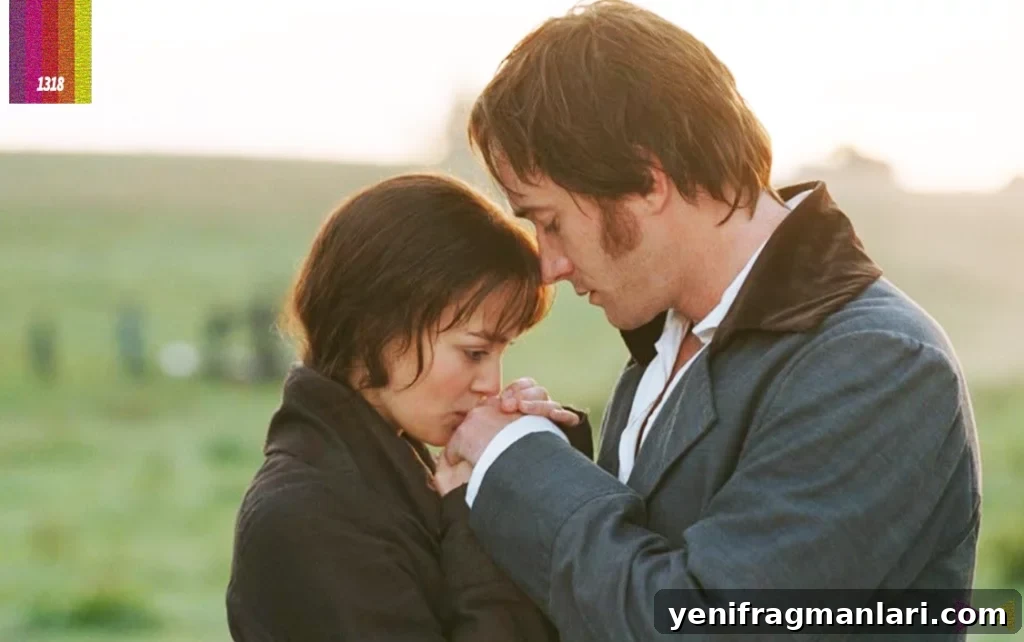
“My dear Lizzy, you cannot think me so weak as to be in danger now.”
“I think you are in very great danger of making him as much in love with you as ever.”
Joe Wright’s 2005 Pride & Prejudice, starring Keira Knightley and Matthew Macfadyen, captures the romance and visual grace of Jane Austen’s novel while reshaping moments for the screen. I prefer this adaptation to the 1995 miniseries because of its cinematic immediacy and emotional clarity. It keeps the spirit of the book while creating cinematic moments that feel both faithful and fresh.
The film’s warmth and earnestness are restorative when I need them most — it feels like stepping into sunlight: bright, alive, and full of possibility.
Recommended for you: Joe Wright Movies Ranked
4. Sex, Lies, and Videotape (1989)
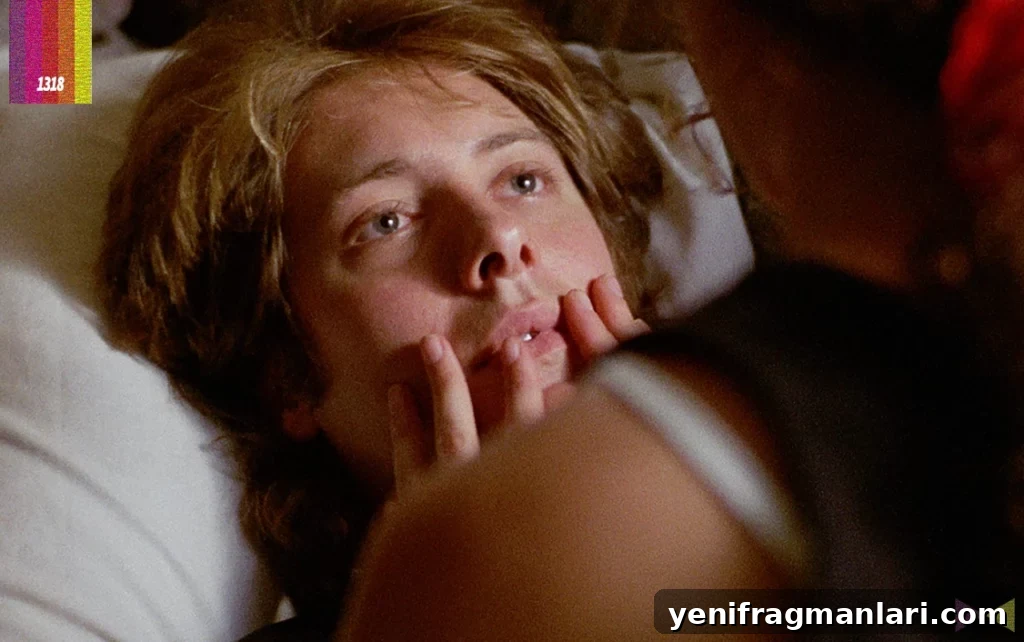
“You’re right, I’ve got a lot of problems… but they belong to me.”
If I had lived during its initial release, Sex, Lies, and Videotape might have been my defining film. Steven Soderbergh’s debut is spare, focused, and fearless — proof that powerful cinema doesn’t require a big budget. The film leans on character dynamics, sharp dialogue, and emotional honesty to explore sex and relationships in ways many contemporary mainstream films avoid. Its intimacy and frankness make it endlessly compelling to me.
3. Dirty Dancing (1987)
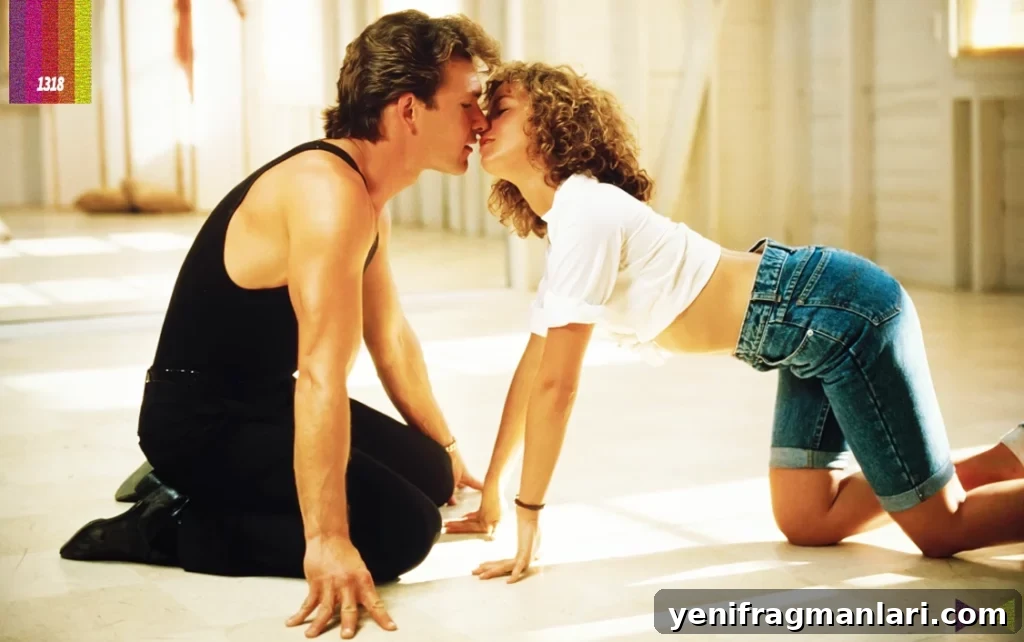
“I’m scared of what I saw, I’m scared of what I did, of who I am, and most of all I’m scared of walking out of this room and never feeling the rest of my whole life the way I feel when I’m with you.”
Dirty Dancing is not only among my favorite films, it’s one of the great musicals. Jennifer Grey’s Baby undergoes a genuine transformation — learning to dance, to claim herself, and to love — and Patrick Swayze’s Johnny is the perfect foil. The climactic lift feels transcendent every time; the film uses music and dance as the couple’s emotional language, making their romance tactile and thrilling.
Beyond its romance, Dirty Dancing is a classic coming-of-age story about discovering who you are when your desires diverge from family expectations. It captures that bittersweet rush of growing up in a way that feels timeless.