
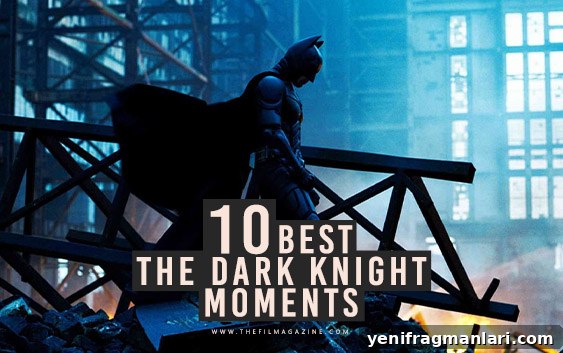
The Dark Knight remains widely regarded as one of the greatest superhero films ever made. Released in 2008, Christopher Nolan’s darker, more grounded take on Batman (portrayed by Christian Bale) redefined comic-book adaptations and helped establish a more serious tone for the genre. This Warner Bros. release moved superhero cinema beyond the lighter, more cartoonish fare that had dominated much of the genre up to that point.
The film is best known for Heath Ledger’s Oscar-winning performance as the Joker. Ledger, 27 during filming, delivered a haunting, unpredictable portrayal that many consider the finest in superhero film history. His sudden death at 28 only deepened the impact and legacy of his performance.
In The Dark Knight, the Joker pushes Bruce Wayne to the edge, challenging the moral and ideological foundation of Batman. He acts as a physical embodiment of chaos, deliberately attacking Gotham’s institutions and forcing Bruce, and the city at large, to confront uncomfortable truths about order, justice and human nature. Ledger’s Joker does more than commit crimes; he stages philosophical assaults designed to expose weaknesses in Gotham’s social contract.
Below are ten standout moments from The Dark Knight—scenes that capture the film’s power, character depth, and cinematic craft. They range from iconic set pieces to compact moments of character revelation, and each helped shape the modern superhero movie.
10. Alfred’s Parable
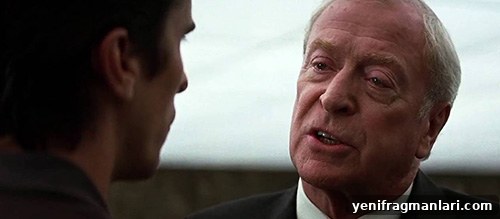
“Some men just wanna watch the world burn.”
Michael Caine’s Alfred moves beyond the stereotypical butler role to become a moral compass and mentor for Bruce Wayne. In a brief, powerful monologue, Alfred recounts chasing a thief in Burma who stole precious gems and explains that some people cannot be bought, reasoned with, or negotiated with. The story reframes the Joker as a figure who exists to destroy order, not to pursue predictable goals. That simple parable reshapes Bruce’s approach and underscores the film’s central conflict: how to fight an enemy whose purpose is chaos.
9. The Assassination Attempt
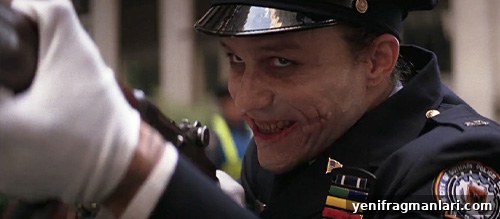
This sequence demonstrates Nolan’s mastery of tension and pacing. As Bruce Wayne follows clues to uncover the Joker’s plot, a state funeral turns into a near-tragedy when Joker’s men masquerade as a gun salute and prepare to assassinate the mayor. The rapid cross-cutting, swelling score, and the reveal that the salute is a ruse pull the audience through escalating stakes. The scene also highlights Batman’s central role in Gotham and sets up James Gordon’s decisive act—faking his death to pursue the Joker—which becomes a pivotal plot turn.
8. Transferring Harvey Dent
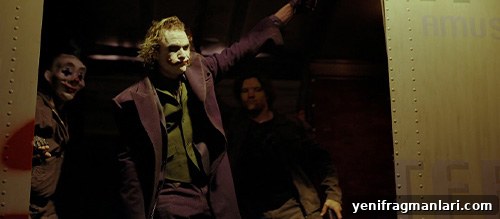
The armored convoy sequence is one of the trilogy’s best action set pieces. Joker’s ambush, Batman’s relentless pursuit in the Batmobile, and the escalating threats—switching from machine gun to bazooka—create a frantic, inventive chase. The scene culminates with Joker daring Batman to kill him, a moral test Batman refuses, and Gordon stepping in to arrest Joker. Beyond the thrills, the chase deepens the relationships between Wayne, Dent and Gordon and foreshadows how those bonds will be tested later.
7. Batman’s Epilogue Sacrifice
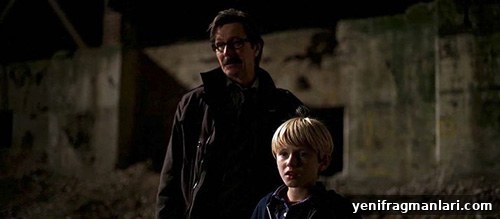
“He’s the hero Gotham deserves, but not the one it needs right now.”
The film’s closing moments are both tragic and noble. With Harvey Dent dead and Gotham’s faith in a clean, lawful hero on the line, Bruce Wayne chooses to become a fugitive and shoulder the blame for crimes he did not commit. James Gordon asks Bruce to let the city believe Batman is a villain so Dent can remain a symbol of hope. That sacrifice—abandoning his public identity for the greater good—resonates as the culmination of Bruce’s evolution and leaves compelling narrative threads for the trilogy’s final chapter.
6. Joker Meets the Mob
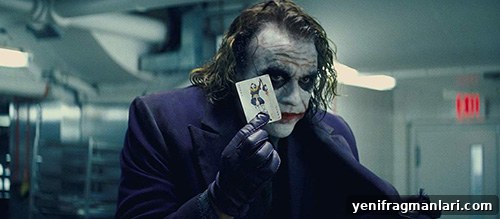
“Do you want to see a magic trick?”
Ledger’s Joker interrupts a mob meeting and immediately asserts dominance through theatrical menace—most memorably by making a pencil “disappear.” The scene showcases Joker’s unpredictable cruelty and charisma, demonstrating that he is an agent of chaos who will not play by the typical rules of gangster power. Ledger’s performance transforms a short sequence into a defining character moment that has become culturally iconic.
5. Joker’s Social Experiment
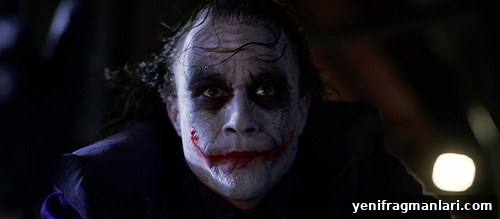
“Madness is, as you know, like gravity. All it takes is a little push.”
In one of the film’s most morally provocative sequences, two ferries are rigged so each can destroy the other. The passengers on each vessel face a decision: blow up the other ship to survive, or refuse and risk mutual destruction. The experiment exposes desperation, courage and selfishness, and ultimately gives Bruce reason to believe in Gotham’s people. When citizens refuse Joker’s test, it becomes a pivotal moment of hope—and a rare instance where Joker appears unsettled, revealing a flicker of humanity beneath the chaos.
4. The Interrogation
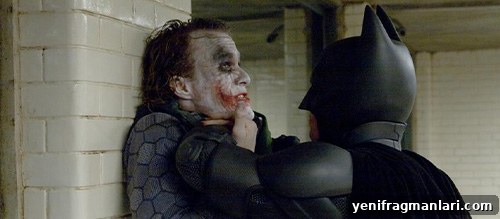
The raw confrontation in the Gotham police station is one of the film’s fiercest exchanges. Joker taunts Batman, dismantling his moral certainties and revealing how thoroughly he planned his crimes. The scene escalates into a physical struggle and then into a devastating moral dilemma: Batman must choose between saving Rachel or saving Harvey Dent. The choice and its tragic outcome deepen the film’s themes about consequence, responsibility, and the thin line between order and anarchy.
3. Joker Blows Up the Hospital
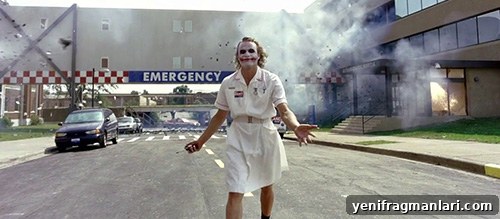
The hospital demolition is a striking visual and narrative statement. The Joker walks away from an exploding building in a nurse’s outfit while the structure collapses behind him—an image that materializes his intent to destroy institutions and symbols that hold Gotham together. The scene also directly triggers Bruce’s willingness to pursue extreme surveillance technology, influencing the film’s moral arc and accelerating Harvey Dent’s transformation into Two-Face.
2. Joker Crashes Wayne’s Penthouse Fundraiser
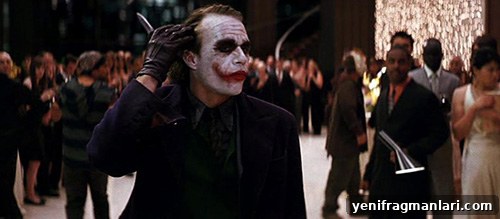
“Ladies and gentlemen, we are tonight’s entertainment.”
Joker’s intrusion into Bruce Wayne’s high-society fundraiser is both audacious and devastating. By infiltrating the upper echelons of Gotham’s elite, Joker proves that money and status offer no protection. The sequence builds to a tense confrontation with Rachel Dawes and culminates in an emotional blow to Batman when Rachel is put in mortal danger. The scene is crucial for revealing Batman’s vulnerability and Joker’s skill at exploiting it.
1. The Prologue
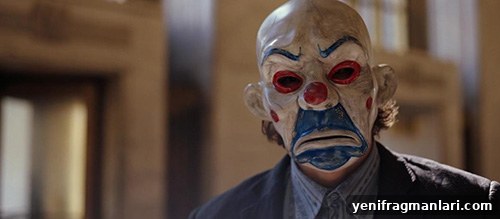
“I believe whatever doesn’t kill you simply makes you stranger.”
The opening bank heist sequence is a masterclass in setup and tone. Shot in IMAX and edited with precision, the prologue establishes the Joker’s orchestration and the film’s heightened stakes. The unmasking at the end reveals Heath Ledger’s Joker in full and immediately signals that this will be a different kind of Batman story—one in which the antagonist’s mind is as important as his crimes. It’s an unforgettable introduction to a performance that would redefine the character for a generation.
These moments capture why The Dark Knight still resonates: bold performances, moral complexity, disciplined filmmaking, and sequences that linger long after the credits roll. Each scene contributes to a larger whole—a film that reshaped what superhero cinema could accomplish and left an indelible mark on modern popular culture.
If you have favorite moments from The Dark Knight that didn’t make this list, share them in the comments where you found this article. Discussing great cinema is part of how these films continue to matter.