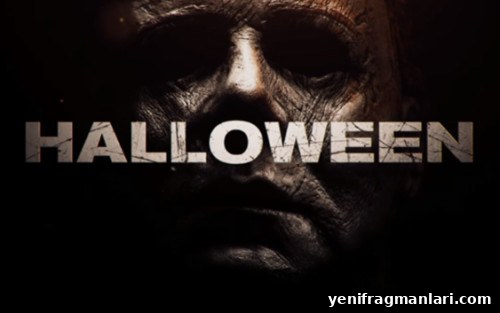
Halloween (2018)
Director: David Gordon Green
Screenplay: David Gordon Green, Danny McBride, Jeff Fradley
Starring: Jamie Lee Curtis, Judy Greer, Andi Matichack, James Jude Courtney
Forty years after John Carpenter launched the original Halloween, David Gordon Green’s 2018 installment returns to that same chilling premise with a clear reverence for the source material. This film acts as a direct sequel to Carpenter’s 1978 classic, deliberately ignoring many of the franchise’s intervening sequels and reboots. The result is a movie that feels like a respectful continuation rather than a reinvention — a slasher built on nostalgia, atmosphere, and a focused emotional core.
At its heart, the story is straightforward and effective. Laurie Strode (Jamie Lee Curtis) is now a grandmother, living with the lasting trauma of the night Michael Myers first terrorized Haddonfield. She has spent decades preparing for the possibility that he might one day return. When Myers escapes custody exactly forty years after his original killing spree, that dread becomes reality. What follows is a tense, methodical hunt that pits Laurie’s fierce determination and survival instincts against a force of seemingly unending brutality.
One of the film’s greatest strengths is how it respects the simplicity of the original concept. It avoids convoluted mythology and keeps the narrative focused on the primal conflict between Laurie and Michael. For fans of classic horror, this restraint is welcome — the movie doesn’t try to over-explain or romanticize its villain. Instead, it restores the slasher’s core elements: looming suspense, sudden bursts of violence, and an oppressive sense that danger can lurk in any shadow. David Gordon Green and his co-writers choose to emphasize mood and dread over complicated storytelling, which helps the film feel authentic and rooted in the franchise’s legacy.
Jamie Lee Curtis delivers the film’s most compelling performance. Her portrayal of Laurie is layered: she is a woman hardened by trauma but still carrying the vulnerability of someone who survived a profound nightmare. Curtis communicates this history through subtle physicality and emotional nuance, making Laurie’s resolve and her personal costs believable. The movie’s investment in her character gives the film its emotional weight; her presence elevates scenes that might otherwise be standard genre fare.
Stylistically, the film nods to the 1970s aesthetic while incorporating small, modern touches. The use of contemporary elements — for example, characters who podcast about the killings — is occasionally conspicuous, but it serves to connect the story to a new generation of viewers without eroding the film’s retro sensibilities. Cinematography, set design, and production choices lean into that period feeling, while the pacing allows suspense to build gradually rather than relying solely on jump scares.
John Carpenter’s involvement with the score is another highlight. The familiar, minimalist themes return and provide an audial bridge between the original and this sequel, reinforcing the atmosphere and amplifying the tension in key scenes. The music is a reminder of the franchise’s roots and works effectively with the visuals to keep viewers engaged.
The film is not without flaws. Dialogue can be uneven, and some plot elements are predictable. Viewers expecting deep narrative innovation or ambitious reinvention may find it lacking. Yet those criticisms are often beside the point; this Halloween aims to deliver a faithful slasher experience, and on those terms it largely succeeds. It offers the visceral thrills and atmospheric dread that fans appreciate, while giving Jamie Lee Curtis the central, character-driven role she deserves.
Overall, Halloween (2018) is a competent, entertaining return to the franchise’s roots. It doesn’t attempt to redefine the genre or win awards, but it does deliver a satisfying, tension-filled experience that honors the original. For longtime fans and newcomers who enjoy classic slasher films, this sequel is a welcome addition: familiar, moody, and anchored by a powerful lead performance.
14/24